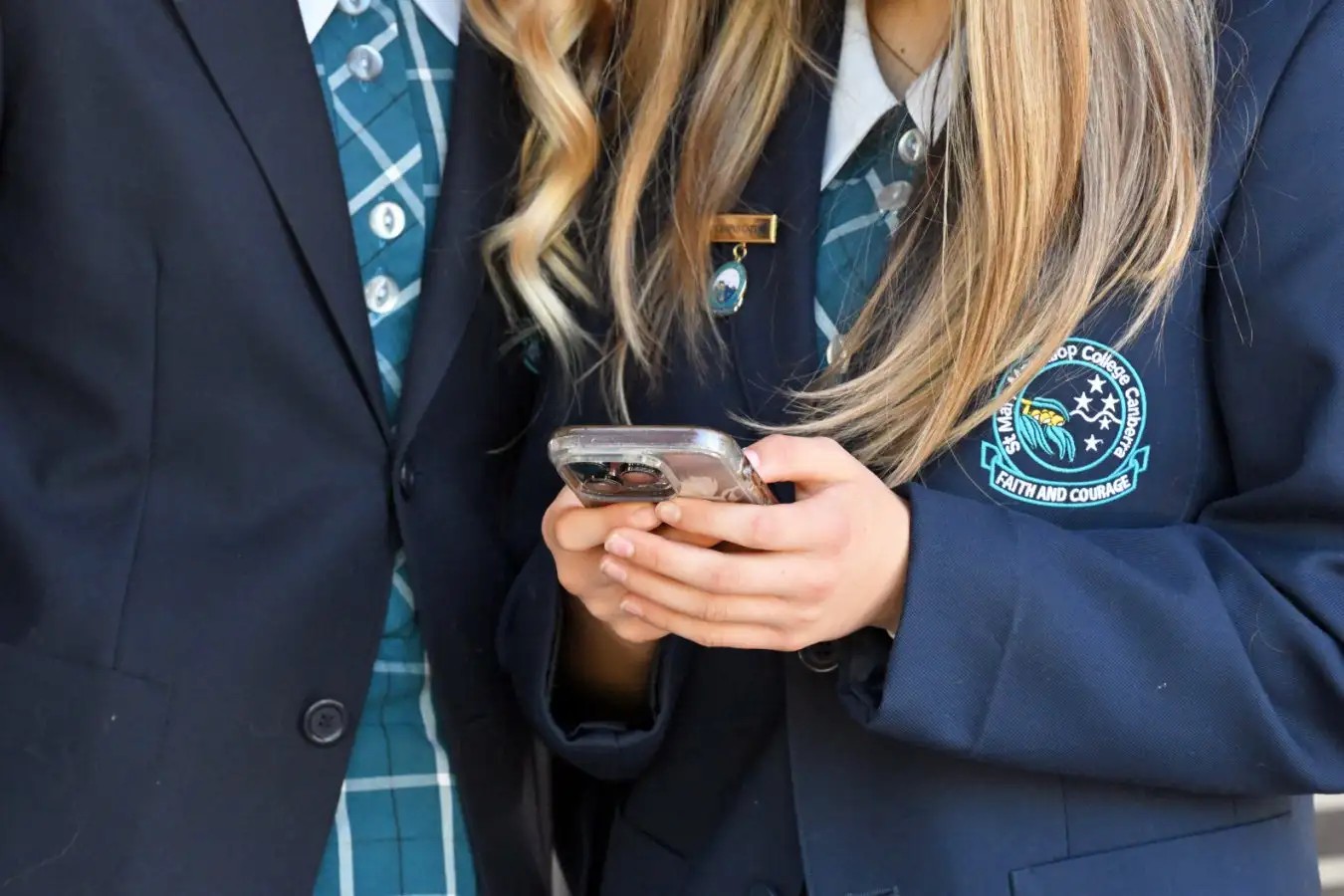
Australia is set to enforce the world’s first comprehensive ban on social media for individuals under 16, beginning December 10th. The law, backed by potential fines of up to AUS$49.5 million for non-compliant platforms, aims to protect minors but faces immediate resistance.
Teen Resistance Takes Shape
Rather than accept the prohibition, Australian teenagers are actively devising workarounds. As one 15-year-old plaintiff, Noah Jones, explains, “Kids have been planning this for months.” Methods include using old devices hidden at school, exploiting family accounts verified with adult IDs, and strategically engaging in content to avoid detection.
Legal Challenge in High Court
Two 15-year-olds, Jones and Macy Neyland, have filed a case in Australia’s High Court, arguing the ban infringes on their implied freedom of political communication. They contend that it will stifle expression for 13-to-15-year-olds. The court agreed to hear their case in February, marking a major victory for the plaintiffs.
Migration to Alternative Platforms
Many teens are already migrating to platforms like Yope, Coverstar, and Lemon8, which are not yet on the government’s banned list. Experts predict this will scatter children across the internet, making parental oversight more difficult. Some parents will likely aid their kids in passing age verification checks.
The Inevitable “Whack-a-Mole” Effect
Cybersecurity expert Susan McLean warns that the ban will create an endless cycle of new platforms emerging, only to be added to the banned list. She argues the government should focus on fixing the algorithms that expose children to harmful content rather than attempting outright bans.
Underlying Concerns
The ban’s effectiveness is questionable, given teenagers’ adaptability and the availability of workarounds like VPNs. One student bluntly questioned the logic: “If the goal is to protect us from predators, why are they still allowed on the platforms, and we’re the ones being banned?”
Conclusion
Australia’s social media ban is poised to be a test case for global regulators, but it may prove ineffective. Teens are prepared to outmaneuver the law, while the underlying issues of harmful content and online safety remain unresolved. The ban may simply push minors to less regulated corners of the internet, making their digital lives harder to monitor.