Emerging research suggests that microscopic vesicles extracted from the honeysuckle plant can significantly reduce gut inflammation and restore a healthy balance of bacteria in preclinical studies of Inflammatory Bowel Disease (IBD). The study, blending Eastern herbal traditions with modern Western science, points toward a potential new class of natural therapies for a condition that affects millions worldwide.
The Rising Burden of IBD
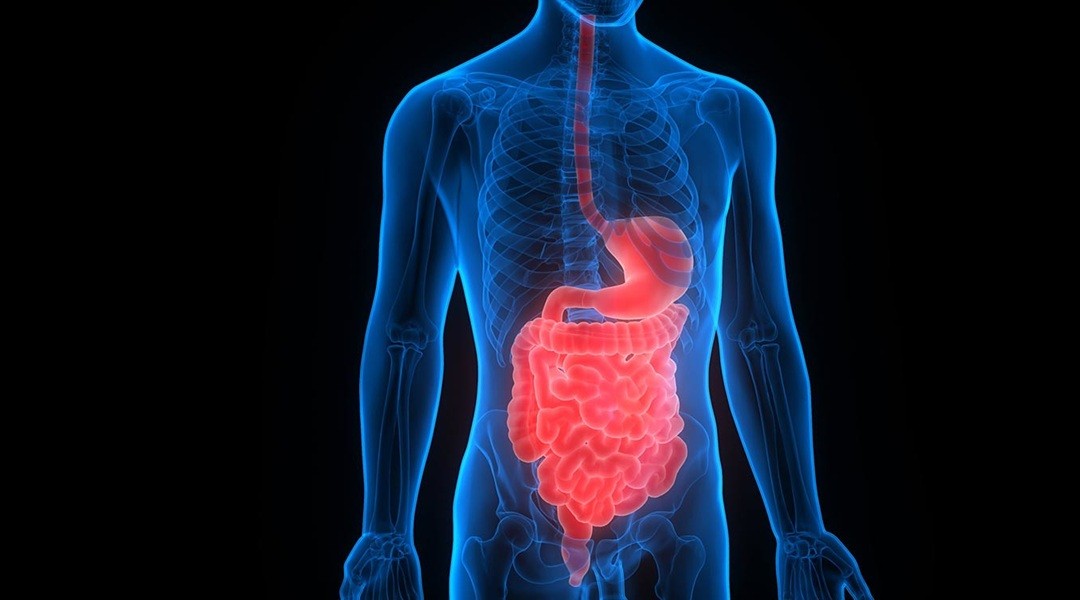
Inflammatory Bowel Disease, encompassing Crohn’s disease and ulcerative colitis, is characterized by chronic inflammation of the digestive tract. Patients often suffer debilitating abdominal pain, diarrhea, and weight loss, while also facing an elevated risk of colorectal cancer. The prevalence of IBD has increased in recent years, particularly in rapidly industrializing nations like China and India, as diets shift toward processed foods and Western lifestyles. This dietary change disrupts the gut microbiome — the complex community of bacteria essential for immune function and gut health.
The gut microbiome contains more genes than the human genome itself, and imbalances in bacterial diversity, particularly a decline in beneficial species like Bacteroides and Firmicutes, are strongly linked to IBD development. When these key bacteria are diminished, the gut barrier weakens, and inflammation spirals.
Nature’s Delivery System: Honeysuckle Nanovesicles
Current IBD treatments, including immunosuppressants and biologics, often come with significant side effects and don’t always provide full relief. Researchers are now exploring alternative approaches, with honeysuckle – a plant historically used in traditional Chinese medicine for gastrointestinal ailments – taking center stage.
The research team, led by Professor Xiaozhou Mou at Hangzhou Medical College, is focusing on honeysuckle-derived nanovesicles: tiny, naturally-produced packages containing a cocktail of beneficial molecules (RNAs, lipids, and metabolites). These vesicles act as targeted delivery systems, protecting and transporting their cargo directly to cells.
Studies confirm the vesicles’ ability to reduce inflammation, enhance immune response, fight bacteria, and even lower fever. In experimental models of IBD, honeysuckle extract significantly reduced inflammatory markers in mice, protecting the intestinal barrier and easing disease symptoms.
Unexpected Findings: Heat-Activated Fecal Matter
Interestingly, the study uncovered a surprising finding regarding fecal microbiota transplantation (FMT) – a treatment where gut bacteria from a healthy donor is transferred to a patient. The researchers found that heat-activated fecal matter (killed bacteria) was more effective than fecal matter with live bacteria. This challenges the conventional understanding that live bacteria is necessary for FMT to work, opening the door to a standardized, pill-based therapy derived from microbial molecules that would be safer and easier to administer.
Future Directions and Potential Impact
While the mechanisms behind honeysuckle’s therapeutic effects are still being investigated, the research team is focused on identifying which bioactive compounds are responsible and how they interact with human gut cells. If further studies validate these findings, clinical trials in humans could follow, potentially offering IBD patients a safe and effective natural treatment.
The potential extends beyond IBD: this research could pave the way for exploring the therapeutic benefits of nanovesicles from other medicinal plants in a wide range of diseases.
“This approach is unique because we are using the entire ‘communication package’ that the plant produces — the nanovesicles,” explains Professor Mou. “These vesicles are designed by nature to protect and deliver a complex cocktail of beneficial molecules directly to cells.”
This study represents a promising step toward harnessing the power of natural compounds to address chronic inflammatory diseases, offering hope for a future where effective, plant-based therapies become a reality.