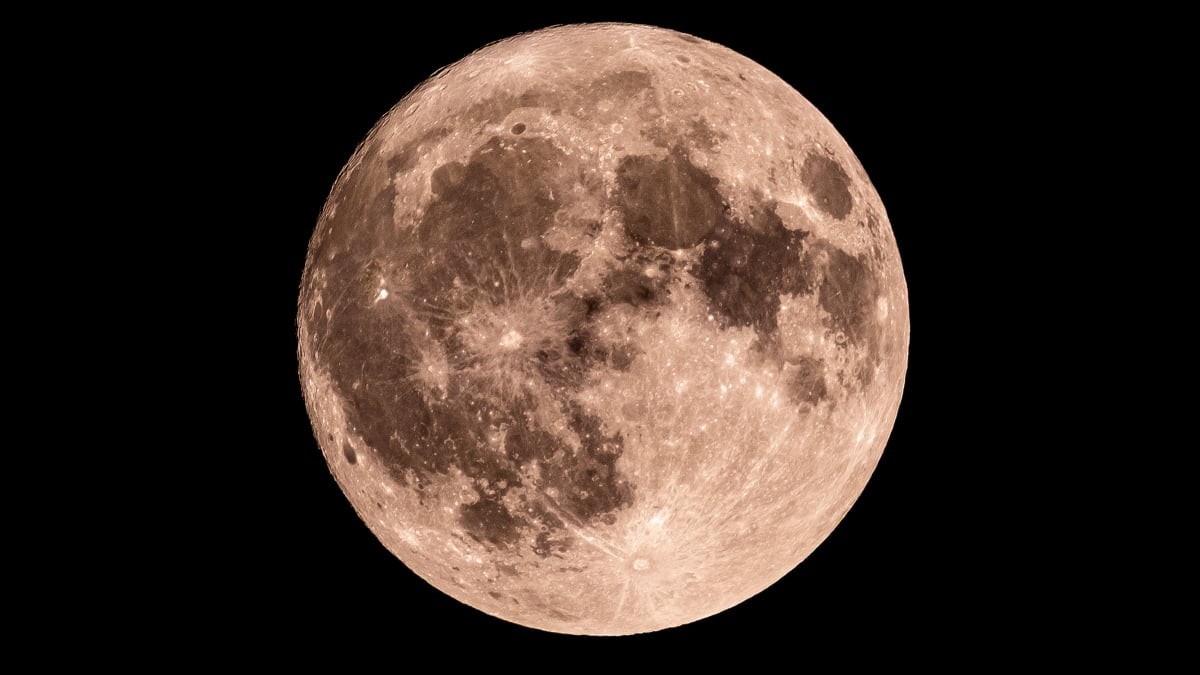
The Moon is currently in its Waxing Gibbous phase, meaning it’s more than half lit and growing fuller each night. As of today, March 26, 2026, roughly 56% of the lunar surface is illuminated, offering ideal conditions for observing its features. This phase is particularly good for stargazers, as the increased light makes it easier to spot craters, mountains, and maria – the dark, flat plains.
Observing the Moon Without Equipment
Even without telescopes or binoculars, observers can readily identify prominent lunar features. The Mares Fecunditatis, Crisium, and Vaporum (seas of fertility, crisis, and vapors) are visible to the naked eye. These dark plains stand out against the brighter highlands.
Enhanced Viewing with Tools
For those with basic equipment, binoculars reveal even more detail:
- Posidonius Crater: A large impact crater with a distinctive dark floor.
- Alps Mountains and Appennine Mountains: Dramatic ranges that create striking shadows when the sun is at the right angle.
With a telescope, deeper exploration becomes possible, including:
- Rima Ariadaeus: A winding, snake-like rift valley.
- Descartes Highlands: A rugged region where Apollo 16 landed.
- Caucasus Mountains: An ancient, heavily eroded range.
When to Expect the Next Full Moon
The next Full Moon in North America is expected on April 1, 2026. This will mark the peak of lunar illumination, making it the brightest night of the month.
Understanding Lunar Phases: A Quick Guide
The Moon cycles through eight distinct phases over approximately 29.5 days as it orbits Earth. The reason we see different shapes is because the amount of sunlight reflecting off the Moon changes as its position relative to Earth and the Sun shifts. Here’s a breakdown:
- New Moon: Invisible; the Moon is between Earth and the Sun.
- Waxing Crescent: A sliver of light appears, growing towards the right.
- First Quarter: Half of the Moon is lit on the right side.
- Waxing Gibbous: More than half illuminated, nearing full brightness.
- Full Moon: The entire face of the Moon is lit.
- Waning Gibbous: Light starts fading on the right side.
- Third Quarter (Last Quarter): Half lit on the left side.
- Waning Crescent: A thin sliver remains on the left before disappearing again.
The lunar cycle is not just a celestial event; it’s a fundamental rhythm in nature that influences tides, animal behavior, and even human culture. Understanding these phases provides a deeper connection to the cosmos.