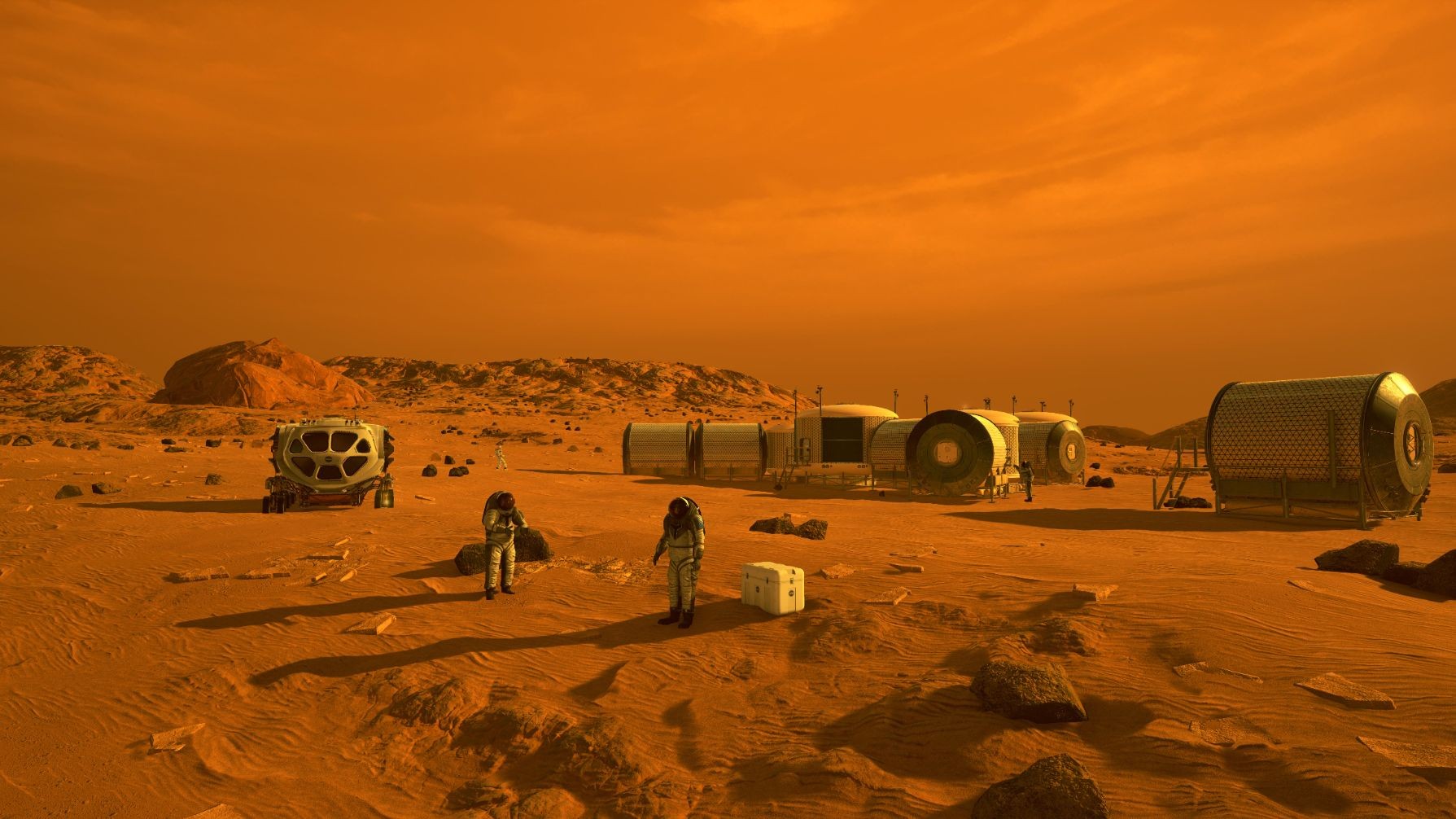
Human waste, when combined with lunar or Martian soil, could be the critical ingredient in establishing sustainable agriculture on other planets. A recent study by Texas A&M University demonstrates that organic waste streams – effectively, astronaut sewage – can unlock nutrients trapped within the inorganic regolith of the moon and Mars, making crop growth viable. This isn’t science fiction; it’s a practical necessity for long-term space colonization.
The Problem with Space Dirt
The soil on the moon and Mars, known as regolith, is fundamentally different from Earth’s fertile topsoil. It lacks the organic matter and readily available nutrients required for plant life. While regolith contains valuable minerals, these nutrients are chemically locked away, inaccessible to plants. Simply put, you can’t grow food in moon or Mars dirt without major intervention.
For decades, scientists have explored solutions like chemical treatments, hydroponics, and energy-intensive processes. However, all require continuous resupply from Earth – an unsustainable model for distant outposts. The sheer cost and logistical challenges of shipping fertilizer across interplanetary distances make in-situ resource utilization (ISRU) the only long-term solution.
Turning Waste into Growth
The latest research provides a strikingly simple ISRU method: leverage the waste produced by astronauts themselves. Researchers at NASA’s Kennedy Space Center, using a bioregenerative life support system (BLiSS), demonstrated that processed human sewage can “weather” regolith, releasing essential nutrients like sulfur, calcium, magnesium, and sodium.
The process involves mixing treated sewage with simulated lunar and Martian regolith, then agitating the mixture to break down the mineral structure. Microscopic analysis reveals physical changes in the regolith particles, showing evidence of weathering: tiny pits forming on lunar samples and nanoparticles coating Martian ones. This is a critical step toward transforming sterile regolith into something resembling soil.
Beyond Poop: The Bigger Picture
While the study confirms the feasibility of nutrient extraction, it’s not a complete solution. Plants need a wider range of nutrients (iron, zinc, copper) than what was released in the experiment. Furthermore, the BLiSS technology isn’t yet perfect, and the simulated regolith isn’t identical to the real thing.
However, this research builds on existing ISRU efforts. Previous studies have shown that lunar regolith supports better crop growth than Martian, likely due to the latter’s dense, clay-like composition and presence of perchlorate (a toxic oxidizer). Other research explores using bacteria to bind Martian regolith into brick-like building materials, demonstrating a holistic approach to extraterrestrial construction.
The implications are clear: establishing permanent outposts on the moon or Mars will require embracing circular systems, where waste becomes a resource, and self-sufficiency is paramount.
The path to interplanetary settlement is paved with pragmatic solutions. Human waste isn’t glamorous, but it may be the key to making the Red Planet and the Moon habitable.