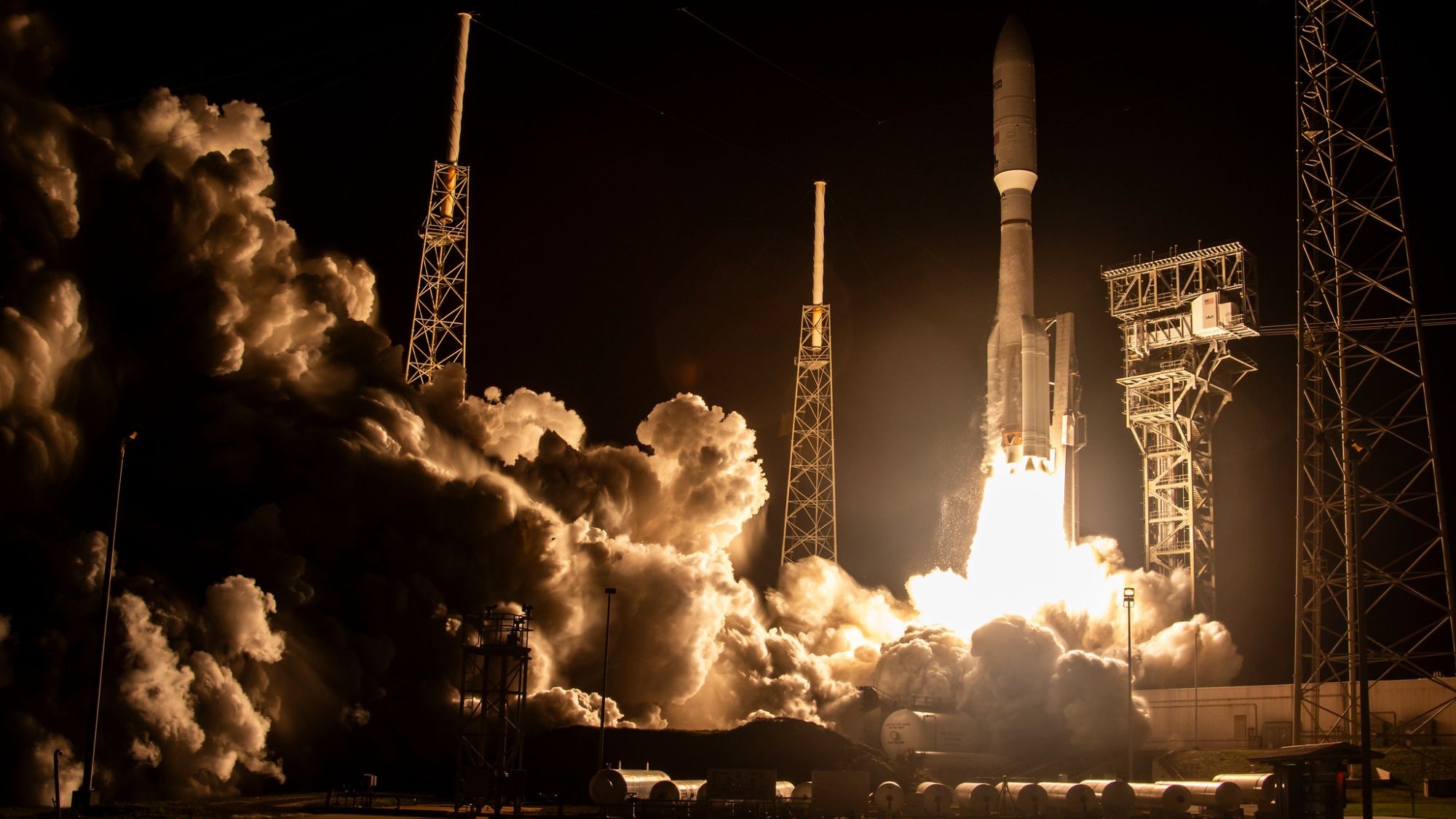
A United Launch Alliance (ULA) Atlas V rocket is set to launch a record-breaking payload early Saturday, April 4th, at 1:45 a.m. EDT (0545 GMT) from Cape Canaveral Space Force Station in Florida. The mission carries 29 satellites for Amazon’s Leo broadband constellation, totaling 18 tons – the heaviest load ever deployed by this rocket.
The Rise of Space-Based Internet
This launch is significant because it demonstrates the accelerating competition in space-based internet services. Amazon’s Leo, formerly known as Project Kuiper, is a direct competitor to SpaceX’s Starlink, both aiming to provide global internet access from low Earth orbit (LEO). Starlink currently operates with over 10,000 satellites, while Amazon Leo is still in its early deployment phase with 212 satellites launched to date.
Engineering Breakthroughs Enable Record Payload
The Atlas V has previously launched Amazon Leo satellites, but Saturday’s mission marks a first: the highest number of satellites ever carried on a single launch. This increase is thanks to an upgraded RL10C engine on the rocket’s Centaur upper stage, which has undergone extensive safety and engineering evaluations to handle the heavier payload.
The launch is designated LA-05 by Amazon, and follows earlier missions that carried 27 satellites per launch. The engineering improvements mean that the Atlas V can now utilize the full potential of the upgraded engine, allowing it to deliver more satellites with each mission.
Implications for Satellite Technology
The increasing weight and density of satellite payloads are driving innovation in launch vehicle technology. This mission highlights how companies like ULA are adapting to meet the demands of megaconstellations like Amazon Leo and Starlink. As these projects expand, further advancements in rocket engine performance, payload integration, and launch logistics will become critical.
The launch can be watched live via Space.com or directly through ULA’s website, with coverage starting 20 minutes before liftoff. This event underscores the growing role of commercial space infrastructure in shaping the future of global connectivity.