
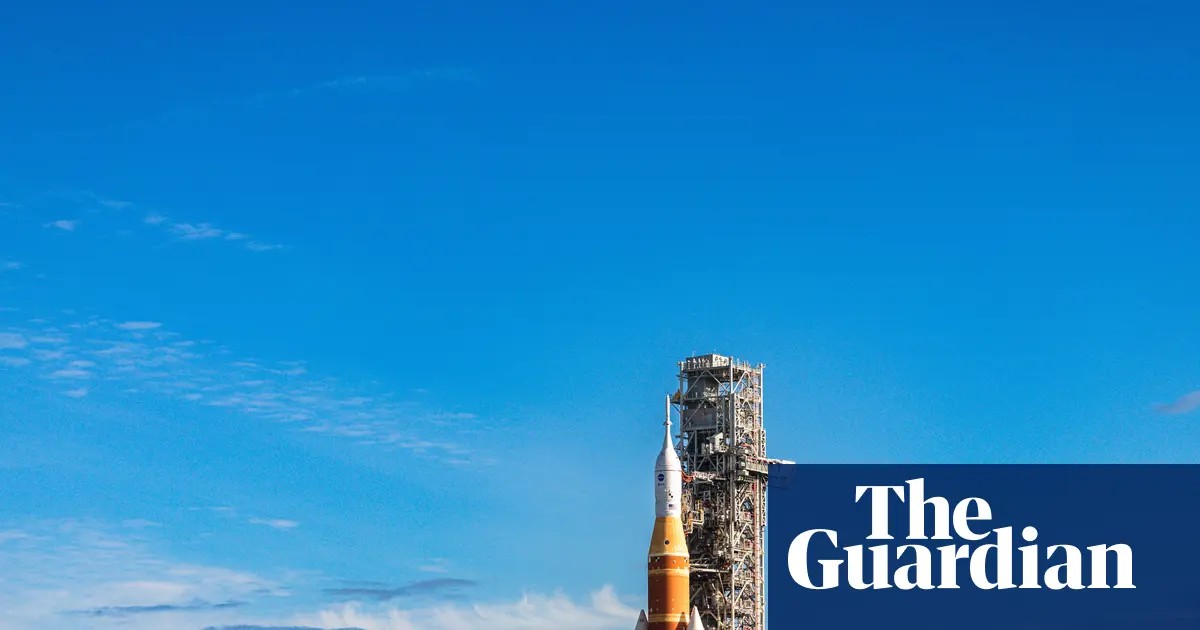
NASA’s Space Launch System (SLS) rocket, the agency’s newest and most powerful launch vehicle, has completed a slow, 4-mile journey to the launchpad at Kennedy Space Center. This move sets the stage for a crewed lunar flyby – the first time astronauts will venture near the Moon in over 50 years, with a potential launch window opening in February.
A Historic Rollout
The 322-foot tall rocket began its 1 mph crawl at dawn, drawing thousands of onlookers including NASA’s administrator Jared Isaacman and the four astronauts assigned to the Artemis II mission. The event was significant not just for its technical achievement but also for its symbolic weight: the SLS used the same massive transporter as the Apollo-era Saturn V rockets, a visible link to humanity’s previous lunar ambitions.
Why This Matters
This mission is a crucial step in NASA’s Artemis program, which aims to establish a sustainable human presence on the Moon. While this initial flight won’t include a landing, it’s designed to rigorously test the SLS and Orion spacecraft with a crew onboard. The success of this mission will pave the way for future lunar landings and potentially, crewed missions to Mars. The delays—caused by heat shield damage and capsule issues identified during the uncrewed 2022 test flight—underscore the inherent risks and complexities of deep-space human exploration.
The Crew and the Mission
The Artemis II crew consists of NASA astronauts Reid Wiseman (commander), Victor Glover (pilot), Christina Koch, and Canadian astronaut Jeremy Hansen. They will embark on a 10-day mission, orbiting the Moon without landing, but gathering critical data on spacecraft performance and crew health in deep space. The team represents a diverse group of experienced space travelers, including Wiseman, Koch, and Glover, all of whom have previously flown in space.
A Return to Lunar Proximity
The upcoming flight will mark the first human journey to the Moon since Apollo 17 in 1972, when Gene Cernan and Harrison Schmitt concluded the Apollo lunar landing program. Of the twelve astronauts who walked on the Moon, only four remain alive today, including Buzz Aldrin, who turns 96 this week. Their excitement for this mission signals a generational shift in space exploration, with NASA now focused on sustainable long-term presence rather than fleeting visits.
Looking Ahead
NASA is preparing for a final fuelling test in early February before confirming a launch date. The agency has a narrow five-day window to lift off before the opportunity shifts to March. This mission is not just about returning to the Moon; it’s about proving the technology and infrastructure needed for the next giant leap: a crewed lunar landing in the coming years.