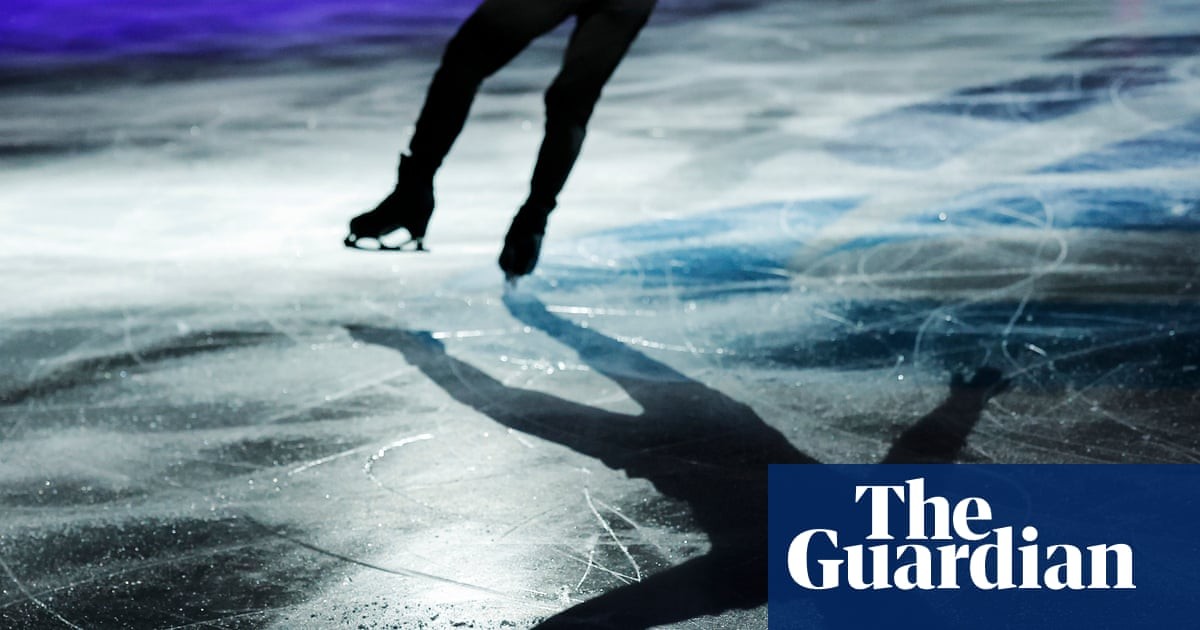
For centuries, humans have enjoyed the simple pleasure of gliding across frozen surfaces. Yet, the physics behind ice skating are far from simple. The seemingly counterintuitive act of standing on a narrow blade to move easily across ice involves a complex interplay of pressure, friction, and even the molecular structure of the ice itself.
Early Innovation: From Bone to Blade
The practice of ice skating dates back nearly a millennium. As early as 1173, William FitzStephen documented Londoners using sharpened cattle shinbones strapped to their feet for recreation on frozen rivers. These crude skates, some of which are now displayed at the Museum of London, demonstrate that practical solutions often precede scientific understanding. People figured out what worked long before they understood why.
Beyond Pressure Melting: The Role of Friction
The common explanation – that pressure from the blade melts a thin layer of water, reducing friction – is incomplete. While pressure does lower the melting point of ice slightly, the primary mechanism is actually frictional heating. Skate blades aren’t polished smooth; they’re designed with a specific texture to balance glide and grip. This balance is crucial because too much smoothness would reduce control, while too much friction would eliminate the glide.
The Quasi-Liquid Layer: Natural Slipperyness
Even without skates, ice exhibits a degree of slipperiness. This is due to a phenomenon where the outermost layer of ice molecules exists in a disordered, “quasi-liquid” state. This thin film reduces friction naturally, making it easier to slide across ice even without the aid of blades. The fact that ice is already somewhat slippery may have inspired the earliest forms of skating in the first place.
The science of ice skating underscores that seemingly simple activities can rely on sophisticated physical principles. Understanding these principles isn’t just academic; it informs blade design, ice rink maintenance, and even the enjoyment of winter sports. The sport’s continued evolution will likely depend on refining our grasp of these underlying mechanisms.