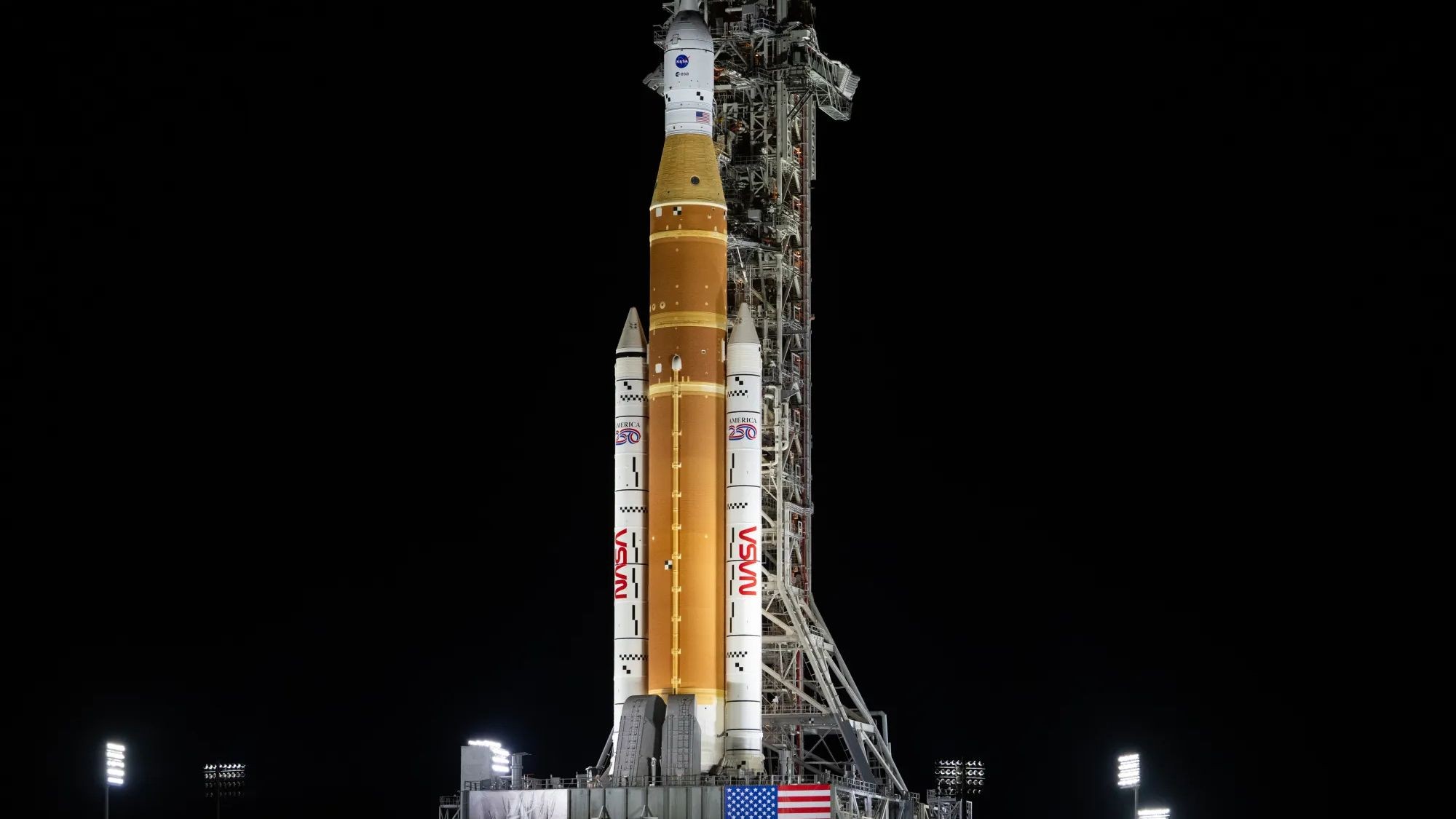
NASA is conducting a full-scale, two-day fueling test – known as a “wet dress rehearsal” – for its Artemis 2 moon rocket, beginning today, February 2nd. This operation is a vital step towards the planned February 8th launch, which will carry four astronauts on a historic journey around the moon.
The Importance of the Wet Dress Rehearsal
The wet dress rehearsal simulates the entire fueling and countdown process without actually launching the rocket. The primary objective is to load over 700,000 gallons (2.65 million liters) of super-cooled liquid oxygen and liquid hydrogen into the Space Launch System (SLS) rocket’s tanks. This is a critical procedure because even minor leaks or malfunctions in the fueling system can delay the mission significantly.
Past wet dress rehearsals, particularly those for Artemis 1, encountered hydrogen leaks due to the molecule’s small size. These issues led to postponements, but the eventual success of Artemis 1 (launched in November 2022) demonstrated NASA’s ability to overcome these challenges.
What to Expect During the Test
Tanking operations are scheduled to start around 11 a.m. EST (1600 GMT), culminating in a simulated launch time of 9 p.m. EST (0200 GMT on February 3rd). NASA is livestreaming the entire process, allowing the public to observe the test in real-time. Viewers should anticipate potential issues, as fueling such a massive rocket is inherently complex.
The Artemis 2 Mission
Artemis 2 represents a monumental leap forward in space exploration. This mission will be the first crewed lunar flight since Apollo 17 in 1972, carrying NASA astronauts Reid Wiseman, Victor Glover, and Christina Koch, alongside Canadian Space Agency astronaut Jeremy Hansen, on a ten-day mission around the moon.
The SLS-Orion stack has already been rolled out to Launch Complex-39B at Kennedy Space Center, marking a significant milestone. NASA’s meticulous approach to testing, including this wet dress rehearsal, underscores the agency’s commitment to ensuring a safe and successful launch.
The Artemis 2 mission is poised to rekindle humanity’s presence in lunar space, setting the stage for sustained exploration and future lunar settlements.