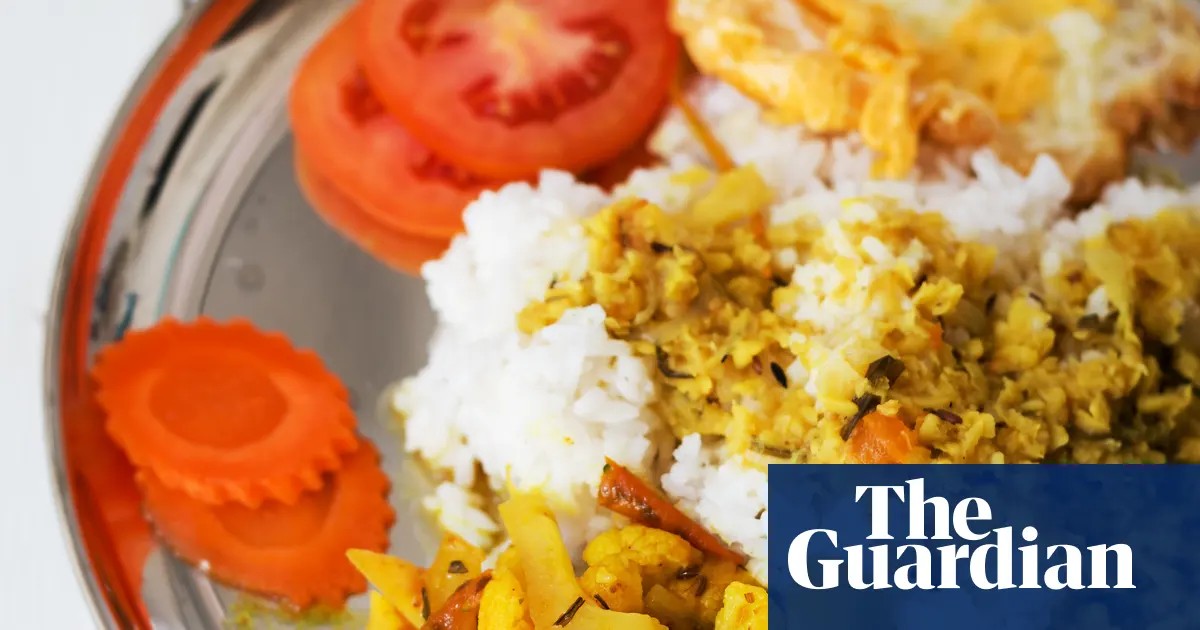
A growing body of evidence suggests that a return to traditional Nepali cuisine—specifically lentil and rice-based dishes—could dramatically curb the country’s escalating diabetes epidemic. Doctors and researchers are reporting success in reversing type 2 diabetes through calorie-controlled, culturally familiar diets, offering a low-cost, accessible solution in a nation where medication is often unaffordable.
The Diabetes Crisis in Nepal
Nepal faces a severe diabetes crisis, with roughly 20% of adults over 40 living with type 2 diabetes. This condition isn’t just a health problem; it’s a significant economic burden for families, often leading to complications such as kidney disease, limb loss, and blindness. The influx of processed, western-style junk foods is widely blamed for driving the surge in cases.
The Power of Traditional Food
Pilot studies in Kathmandu and ongoing trials in rural communities show that a return to traditional diets can lead to remarkable improvements. Nearly half of patients in a recent study achieved remission by following a calorie-controlled diet of lentils and rice (dal bhat). Researchers from the University of Glasgow, collaborating with Dhulikhel Hospital, are leading expanded trials to confirm these findings and explore preventative applications.
The key lies in the body’s response to weight loss. People of Asian descent are genetically predisposed to developing type 2 diabetes with smaller weight gains, but they also require less weight loss to reverse the condition. In Nepal, patients often see remission with as little as 4-5kg of weight loss, making the intervention exceptionally effective.
How It Works: A Simple Approach
The intervention involves a structured plan:
– Participants follow an 850-calorie diet for eight weeks, featuring traditional meals like yogurt with fruit for breakfast and dal bhat for lunch and dinner.
– They then transition to a higher-calorie version of the same diet to maintain their weight loss.
– Participants receive tools like measuring cups and scales, along with support group sessions, to ensure adherence.
The program leverages Nepal’s community health system, relying on female volunteers to deliver the intervention without requiring extensive medical infrastructure. The focus is on disciplined eating patterns, avoiding processed foods high in sugar, fat, and salt, which a 2025 study found to exceed WHO recommendations in 87% of packaged foods sold in Kathmandu.
Beyond Diet: A Cultural Shift
Experts emphasize that this isn’t just about calories; it’s about returning to a way of eating that aligns with the body’s natural processes. Switching from highly processed white rice to nutrient-rich brown rice further enhances the benefits, due to higher levels of Vitamin B1, which supports carbohydrate metabolism.
The underlying issue is the rapid cultural shift driven by the availability of western junk foods. As transportation improved, these foods flooded the market, contributing to lower activity levels and rising diabetes rates. The project aims to educate communities on these drivers and promote a return to sustainable, traditional eating habits.
The study, originally funded by the UK government but later supported by the Howard Foundation with £1.78m, seeks to demonstrate that a simple dietary change can be “way more effective than any drug or medicine,” as Professor Mike Lean puts it. The findings underscore the potential for culturally tailored interventions to tackle chronic diseases in resource-constrained settings.