Scientists increasingly believe that life may have originated in a primordial goo clinging to rocks long before the formation of cells. This theory, though unconventional, addresses fundamental gaps in understanding how simple molecules evolved into complex life forms.
The Problem with Water-Based Origins
Traditional origin-of-life theories often center on water as the primary medium for prebiotic chemistry. However, these models struggle to explain how unstable organic molecules could assemble into RNA or DNA without a stabilizing environment. Water alone doesn’t provide sufficient protection against harsh conditions like intense ultraviolet radiation and temperature extremes on early Earth.
The Gel Hypothesis: A Sticky Solution
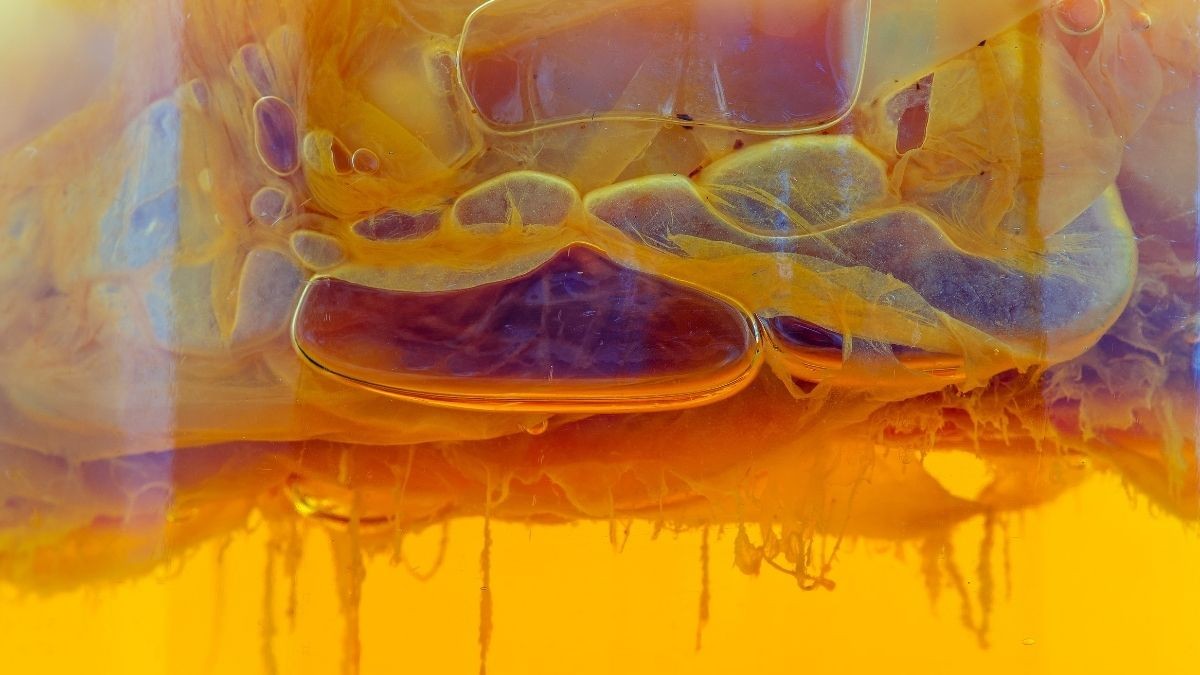
An international research team proposes that a semi-solid gel matrix offered the ideal conditions for life’s emergence. Similar to biofilms found today, these gels would have trapped and organized molecules, providing stability and promoting chemical reactions.
“While many theories focus on the function of biomolecules, our theory incorporates the role of gels at the origins of life,” says astrobiologist Tony Jia.
This prebiotic gel could have acted as a shield against damaging radiation and extreme temperatures, allowing fragile chemical processes to evolve before cell membranes existed.
How Gels Could Have Worked
The gel medium would have concentrated monomers like nucleotides and amino acids, selectively retaining them for reactions. Unlike water, gels favor polymerization (building complex molecules) over hydrolysis (breaking them down). Early metabolism may have even emerged within the gel as chemicals exchanged electrons, powered by ultraviolet light penetrating the matrix.
Protocells: The Outcome, Not the Beginning?
The gel-first framework suggests that protocells weren’t the first step in life’s origin, but rather the result of chemical organization within the primordial goo. This shifts the focus from the complexity of early cells to the stabilizing role of prebiotic gels.
Implications for Extraterrestrial Life
This theory broadens the search for life beyond Earth. Rather than hunting for specific chemicals, future missions may target structures like gels as potential biosignatures. The gel-first framework suggests that life doesn’t necessarily require liquid water to begin – just the right sticky environment.
The idea that life may have begun in a simple, gooey environment is counterintuitive, but it offers a compelling solution to longstanding problems in prebiotic chemistry. The evidence suggests that the first steps toward life may have been far stickier than previously imagined.