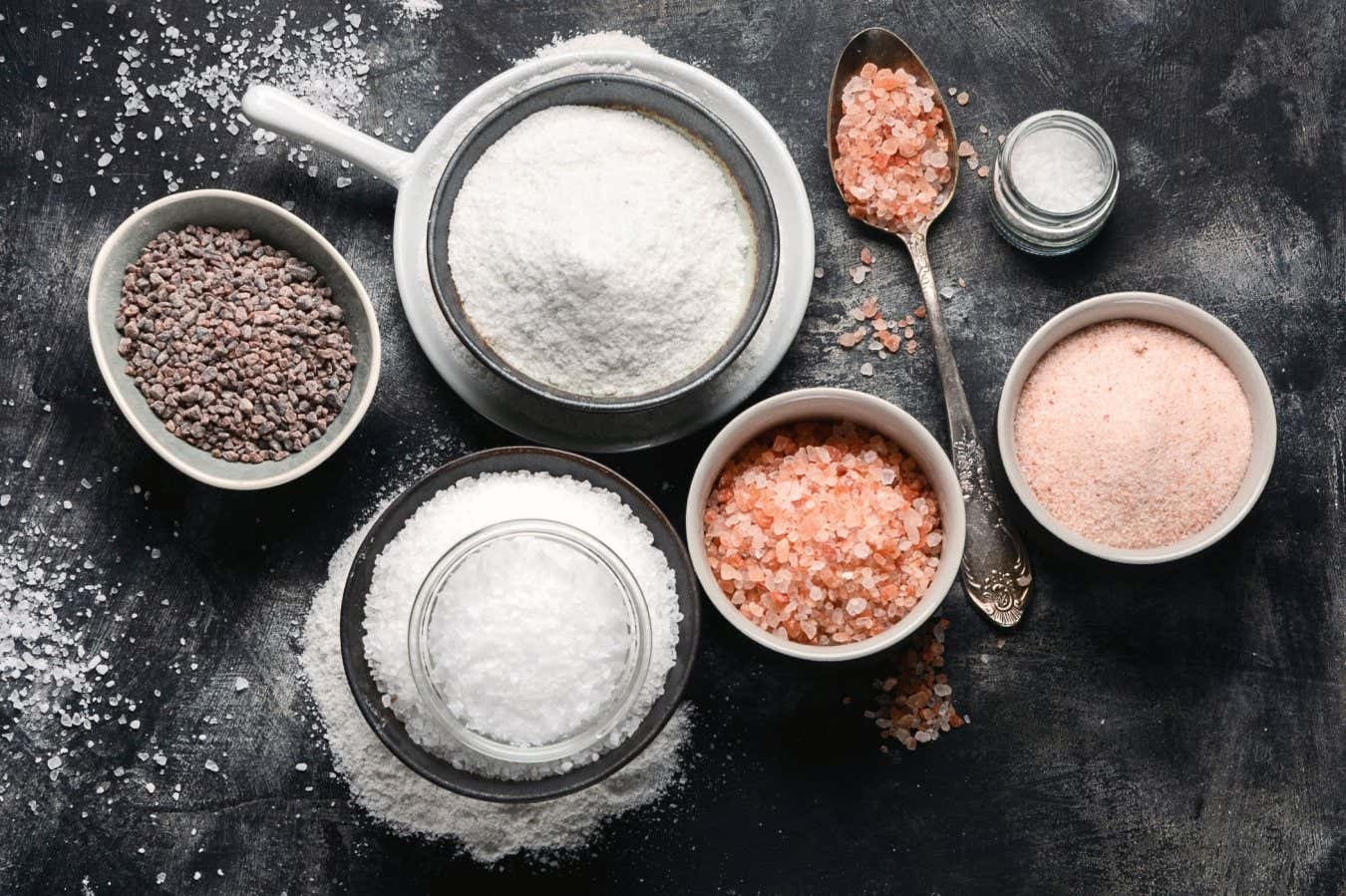
In the modern supermarket, the salt aisle has undergone a rebranding. Gone are the plain, utilitarian containers of iodized salt, replaced by aesthetically pleasing jars of Himalayan pink rock salt, smoked flakes, and artisanal sea salts. While these gourmet options may look better on a kitchen counter, this shift toward “fancy” salt is quietly fueling a global public health crisis: a widespread deficiency in iodine.
The Vital Role of Iodine
Iodine is not just another mineral; it is a fundamental building block for human development. The thyroid gland relies on iodine to produce hormones that regulate essential bodily functions, including:
– Metabolism and heart rate
– Body temperature and digestion
– Growth and physical development
Perhaps most critically, iodine is essential for fetal brain development. Research suggests that even mild iodine deficiencies during pregnancy can result in a loss of 0.3 to 13 IQ points in children. In both children and adults, chronic deficiency can lead to goitre —a visible swelling of the neck caused by an enlarged thyroid gland struggling to capture enough iodine from the bloodstream.
A Historical Triumph Being Undone
For much of the 20th century, iodized salt was hailed as one of the most successful public health interventions in history.
In 1922, Switzerland became the first nation to mandate iodized salt to combat rampant goitre rates. The results were transformative: the disease virtually disappeared, and populations saw measurable increases in average height and cognitive performance. Similar successes were seen in the United States and other nations following the mid-1920s. As the late endocrinologist Gerald Burrow noted, it was an incredibly cost-effective way to boost the collective intelligence of a nation.
However, as the immediate threat of goitre faded from public memory, the necessity of iodine faded with it.
Why Iodine Levels are Plummeting
Several modern dietary trends are converging to create a “perfect storm” for iodine deficiency:
- The “Aesthetic” Shift: Consumers are increasingly choosing non-iodized salts (like Himalayan pink salt) because they are perceived as more “natural” or “premium,” despite the fact that they lack the essential additive.
- Misconceptions about Additives: There is a growing, unfounded fear that iodine is a “chemical additive,” leading some parents to avoid iodized salt in favor of perceived “purer” alternatives.
- Changes in Diet: The rise of veganism and the shift from cow’s milk to plant-based milks have removed major dietary sources of iodine. While seafood and dairy are rich in the mineral, plant-based diets often lack these reliable staples.
- Processed Food Dominance: Most processed and takeaway foods use non-iodized salt to prevent unwanted chemical reactions during manufacturing, meaning the salt we eat most frequently is the kind least likely to provide iodine.
A Growing Global Concern
The data reflects a worrying downward trend in nutritional adequacy. Recent studies have highlighted a sharp decline in iodine levels across several developed nations:
– United States: The proportion of Americans with inadequate iodine intake has doubled since 2001, with 46% of pregnant women now falling below the required threshold.
– United Kingdom: Iodine levels in women of reproductive age are reported to be “considerably below” the level of adequacy.
– Australia: A staggering 62% of pregnant and breastfeeding women have insufficient iodine levels.
While the supplement industry booms with unproven “brain-boosting” pills like zinc and ginkgo biloba, a fundamental, scientifically proven necessity—iodine—is being overlooked.
Conclusion
The transition from functional iodized salt to trendy, gourmet varieties may seem like a minor culinary preference, but it carries significant neurological and physical risks. To protect cognitive development and thyroid health, public health experts warn that re-embracing iodized salt is no longer just a matter of nutrition, but a necessity for long-term societal well-being.