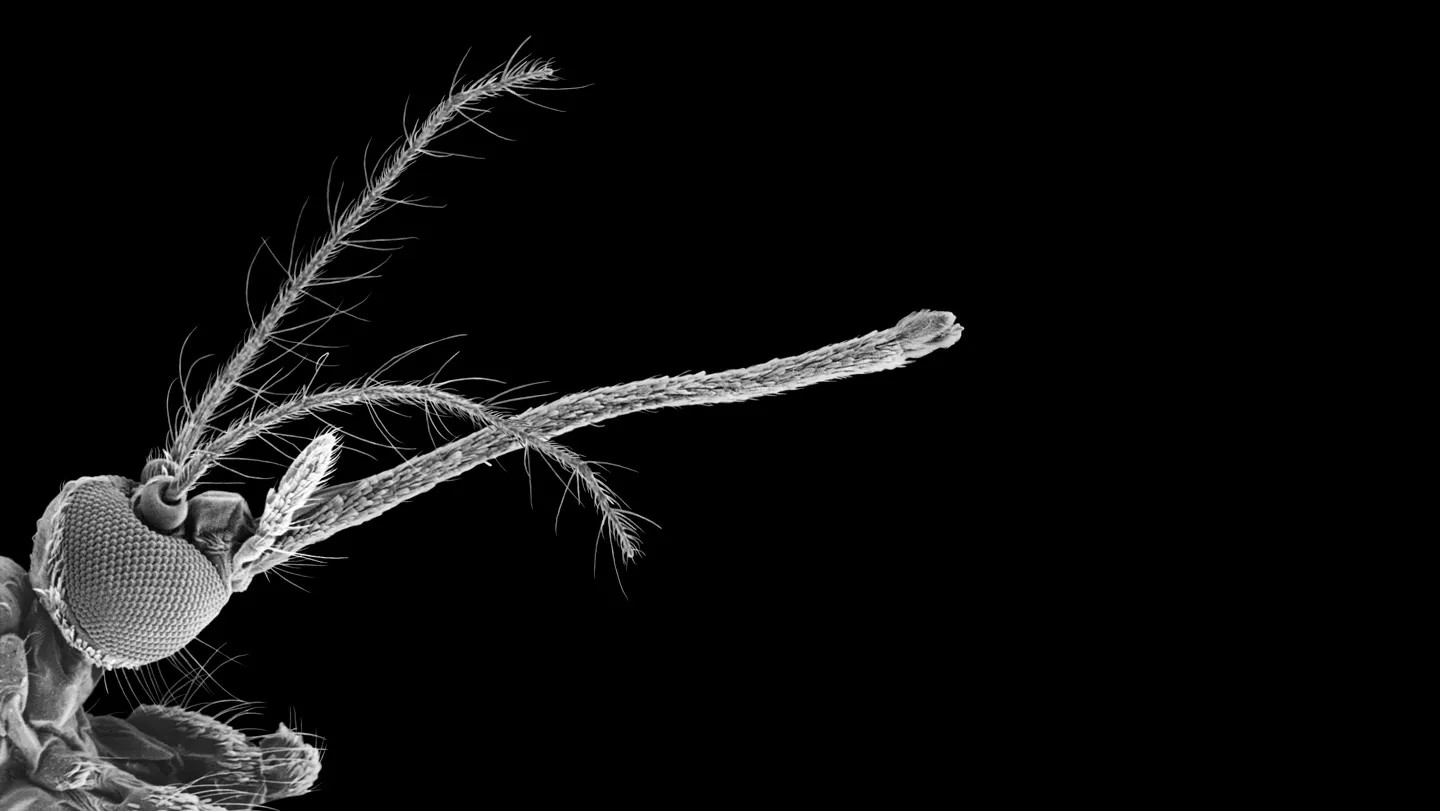
Mosquitoes, notorious for their ability to transmit deadly diseases, possess a hidden engineering marvel in their mouthparts. Recent research reveals that the Aedes aegypti mosquito’s proboscis — the straw-like structure used for feeding — can create lines thinner than a human hair with precision rivaling advanced 3D printing technology. This natural “bioprinting” capability stems from the mosquito’s ability to deposit materials, such as resin, under extreme pressure and at microscopic scales.
The Biological 3D Printer
The mosquito’s mouth isn’t just a feeding tool; it’s a highly evolved mechanical device. The insect’s proboscis works by injecting saliva to numb the host, then using a series of saw-like structures to pierce skin. It then draws blood while simultaneously depositing materials from its salivary glands. Researchers discovered that the mosquito can lay down these substances in incredibly fine layers, akin to how a 3D printer builds objects using additive manufacturing.
The diameter of the lines produced by the mosquito’s mouth is measured in micrometers (millionths of a meter). This level of precision is remarkable considering the mosquito’s size and the complexity of the process. The mosquito uses pressure from its body to push the materials through a microscopic nozzle at the end of its proboscis.
Implications for Biomedicine and Engineering
This biological printing method has significant implications for biomedicine and materials science. The ability to deposit materials at such small scales could revolutionize the development of micro-scale devices, drug delivery systems, and tissue engineering. Bioink, a liquid containing cells used in 3D printing, could be applied to create more complex living tissues.
The sustainable nature of the mosquito’s bioprinting process is also notable. The insect uses natural resources and produces minimal waste. This contrasts with traditional manufacturing, which often relies on energy-intensive processes and toxic materials. By studying the mosquito’s mechanisms, engineers may be able to develop more efficient and environmentally friendly methods for bioprinting.
Why This Matters
The discovery highlights how nature has already solved problems that humans are still grappling with in advanced engineering. The mosquito’s mouth is not merely an organ for feeding; it’s a highly refined piece of biological machinery. Understanding this process could lead to breakthroughs in areas like micro-robotics, precision manufacturing, and even the creation of more effective biomaterials.
The mosquito’s ability to “print” at microscopic scales demonstrates that nature often holds the solutions to some of our most pressing technological challenges.
This research challenges conventional assumptions about biological systems and opens new avenues for bio-inspired engineering. The mosquito, despite being a disease vector, provides a unique opportunity for scientific advancement.