Coral reefs are in critical condition, with a 20% reduction in global coral populations in recent years and projections of potential extinction by 2050 if ocean temperatures continue to rise. This collapse would devastate marine ecosystems and impact human civilization. While conservation efforts exist, current coral restoration methods are often slow, unreliable, and even damaging. Now, researchers have developed a novel underwater paste that accelerates coral growth, offering a new path toward reef recovery.
The Crisis Facing Coral Reefs
The decline of coral reefs is driven by climate change, ocean acidification, and destructive human activities. These factors create hostile environments where corals struggle to survive. Traditional restoration techniques, like “coral gardening,” involve growing fragments in nurseries and transplanting them. However, existing methods for attaching corals – glues, wires, concrete – are inefficient and can harm surrounding marine life.
A Breakthrough in Coral Attachment
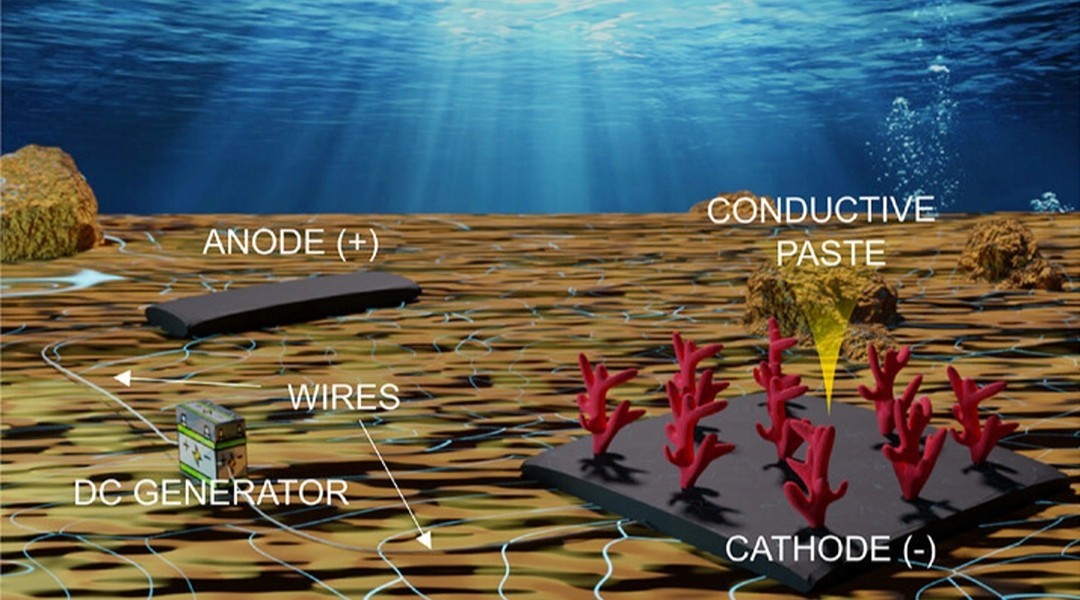
The new material, developed by a team in Italy and the Maldives, combines bio-based, biodegradable acrylate soybean oil with graphene nanoplatelets. This creates a conductive paste that allows for rapid and secure coral attachment while also supporting Mineral Accretion Technology (MAT). MAT uses low-voltage electric currents to stimulate calcium carbonate deposition, accelerating coral growth. Unlike previous MAT systems reliant on bulky metal frames and constant power, this paste eliminates the need for large structures and reduces the risk of pollution.
How it Works: Materials Science Meets Marine Biology
The paste is designed for both controlled environments (aquariums) and natural reefs. According to Pietro Cataldi, a researcher at the Istituto Italiano di Tecnologia (IIT)-Genova, the approach combines materials science, marine biology, and electronics to make coral restoration faster, safer, and more scalable. Simone Montano, a professor at the University of Milano, emphasizes that such technologies buy time for ecosystems while global mitigation efforts take effect.
Future Steps and Long-Term Potential
Initial tests are promising, but the team plans further research on a wider range of coral species. They also intend to explore microfragmentation techniques – using smaller coral pieces to boost growth and maturity. Integrating this technology with renewable energy sources (solar panels, underwater turbines) could power MAT systems in remote reefs, making restoration efforts more sustainable.
This new material represents a significant step forward in coral restoration, providing a faster, safer, and more scalable solution to a critical environmental crisis.
The urgency of the situation cannot be overstated. Coral reefs support a vast web of marine life and provide essential ecosystem services. This breakthrough offers a crucial tool in the fight to save them.