For centuries, scientists puzzled over how birds manage clear vision despite lacking blood vessels in their retinas—a physiological oddity among vertebrates. New research reveals the answer: bird retinas don’t need oxygen. Instead, they run on an extreme sugar diet, a discovery that rewrites our understanding of neural function.
The Oxygen-Free Zone
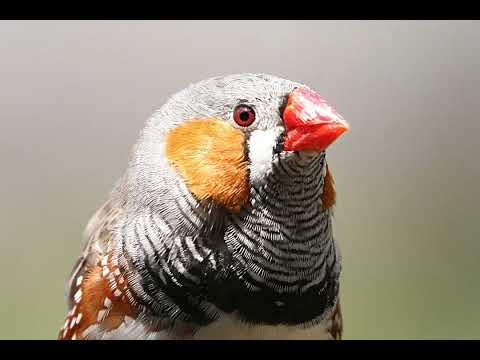
Retinas are normally energy-hungry tissues, powered by oxygen delivered through blood vessels. However, bird retinas, particularly in species like zebra finches, are unusually thick and completely devoid of these vessels. This means the deepest layers of nerve cells receive no oxygen directly. Researchers at Aarhus University in Denmark finally measured this by implanting oxygen sensors into the eyes of live finches. The results confirmed it: these cells operate in an oxygen-free environment.
A Sugar Rush: The Pecten’s Role
If not oxygen, then what fuels these cells? The key lies in glycolysis, a metabolic process that breaks down sugars for energy without oxygen. But glycolysis is inefficient, requiring 15 times more glucose than oxygen-based metabolism. So how do birds supply enough sugar?
The answer is the pecten oculi—a comb-like structure in bird eyes long suspected of delivering oxygen. New measurements show it doesn’t carry oxygen at all. Instead, the pecten aggressively pumps glucose into the retina, four times more than brain cells consume, to keep the glycolysis engine roaring.
Why This Matters
The discovery is a neurobiological shift. It proves some neurons can function without oxygen, a concept previously considered impossible. This adaptation may have evolved to enhance visual acuity in birds, despite the metabolic cost. It also raises questions about why birds would rely on such an inefficient process for vision, as it requires an enormous sugar intake.
The implications extend beyond avian biology. If human cells could be engineered to tolerate oxygen-free conditions, it might offer breakthroughs in treating conditions like stroke, where oxygen deprivation causes brain damage.
The findings underscore that evolution often finds counterintuitive solutions to physical constraints, reminding us that nature’s designs are not always what they seem.