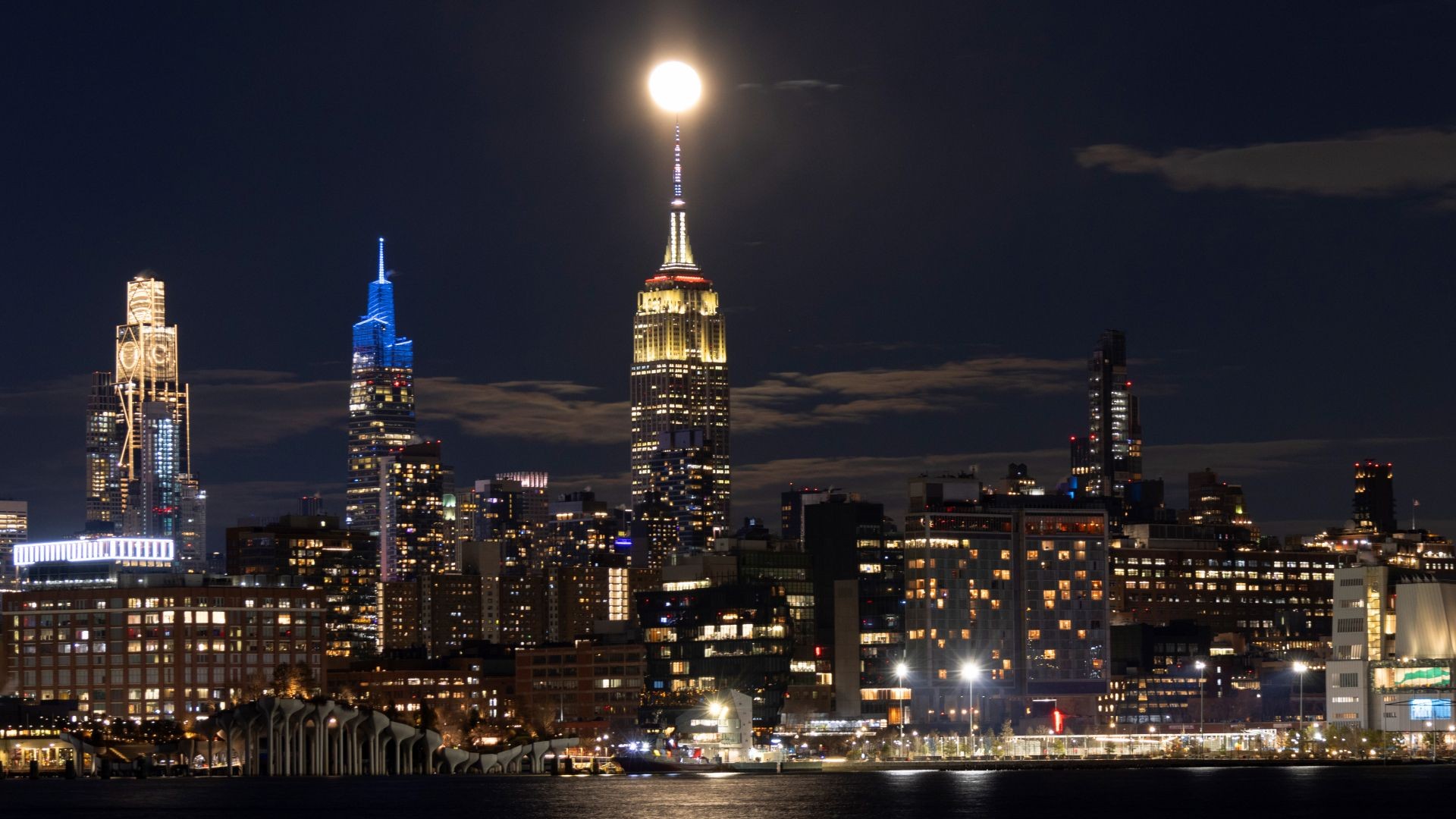
Despite pervasive light pollution, urban dwellers can still enjoy the night sky. Modern cities are awash in artificial light, which diminishes our ability to observe faint stars and deep-space wonders. This problem is worsening as urban sprawl expands, but it doesn’t mean stargazing is impossible under city skies.
Understanding Light Pollution
The Bortle Scale classifies sky darkness. Class 1 represents pristine, dark skies, while classes 8 and 9 describe the worst light pollution in cities. The limiting magnitude measures the faintest visible star, with higher numbers indicating fainter objects. For comparison, the full moon has a magnitude of -12.6, while Polaris (the North Star) is around +2.00.
This matters because light pollution isn’t just about aesthetics; it impacts wildlife, energy waste, and even human sleep cycles. The increasing brightness of our nights is a growing environmental concern.
What You Can See Without Equipment
Even in polluted skies, the brightest stars and asterisms remain visible.
- Orion: Its belt, Betelgeuse, and Rigel shine through.
- Summer Triangle: Vega, Deneb, and Altair dominate warmer nights.
- Circumpolar Stars: Polaris and the Big Dipper are always visible in the Northern Hemisphere.
For optimal viewing, find a spot with unobstructed horizons and observe objects as far from the ground as possible. Stargazing apps like Stellarium or SkySafari 7 Pro can help identify targets.
Planets Visible from Urban Skies
Jupiter, Saturn, Venus, Mercury, and Mars appear as steady points of light, even in light-polluted areas. Mars often has a reddish hue. However, visibility depends on orbital position; Venus and Mercury are hard to spot due to their proximity to the sun.
The Moon: A Constant Companion
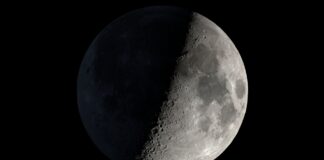
Earth’s moon is the brightest and largest object in the night sky. Its surface features dark maria (ancient lava plains) and craters, which change appearance as the terminator (sun-shadow line) shifts across its surface.
Keep up with daily moon phases on websites like TimeandDate to find the best viewing times.
Spotting the International Space Station (ISS)
The ISS, a 94-meter-wide orbital outpost, appears as a bright, moving star. It’s visible when sunlight reflects off its structure. Use the European Space Agency’s ISS Tracker or NASA’s Spot the Station app to find passes near your location. The best viewing occurs shortly before dawn or after dusk.
Beyond City Limits: Transitional Skies
Moving to suburban areas (around Bortle class 7) reveals more stars. You might see faint star clusters like the Beehive Cluster (M44) and the Pleiades. The Milky Way remains dim, but the Andromeda Galaxy (M31) could be visible with a guide from Cassiopeia.
In Orion, look for the Orion Nebula (M42), a star-forming region 1,500 light-years away, visible as a hazy glow near the sword stars.
The Power of Binoculars
Binoculars are a powerful tool against light pollution. A 10X50 pair reveals fainter stars, star clusters, and even some galaxies. They enhance detail for the moon, showcasing craters and maria. You can also spot Jupiter’s Galilean moons as bright points of light.
In conclusion, while light pollution limits what you can see, urban stargazing is still possible. By understanding the night sky, using available tools, and venturing to darker locations when possible, you can enjoy the wonders above, even from the heart of a city.