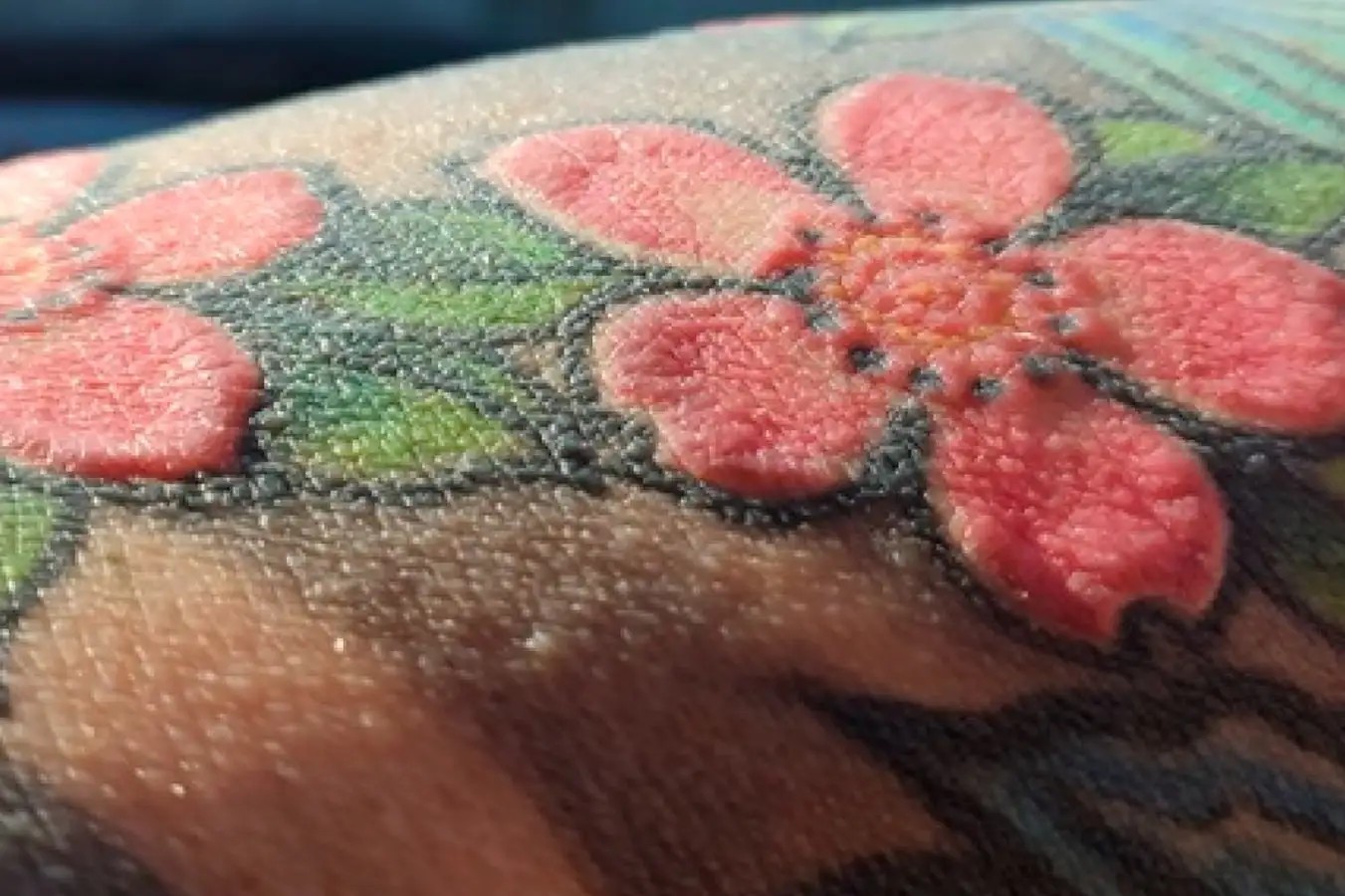
A Polish man experienced a catastrophic allergic reaction to red tattoo ink, resulting in complete hair loss, the shutdown of his sweat glands, and the development of vitiligo. This case underscores mounting concerns over the potentially dangerous effects of modern tattoo inks on the human immune system.
From Traditional Practices to Synthetic Dyes
For centuries, tattooing relied on simple black soot-based inks applied slowly by hand. Modern techniques, however, use brightly colored synthetic dyes injected rapidly with electric machines. Many of these dyes were originally formulated for industrial uses—printer inks and car paints—rather than biological compatibility.
Recent data shows that approximately 6% of tattooed individuals experience reactions lasting over four months, with red ink being the most common trigger. This is especially concerning for those with pre-existing immune conditions like eczema, asthma, or celiac disease.
The Patient’s Case: A Systemic Breakdown
The patient, in his thirties, developed intense itching and a full-body rash four months after receiving a multicolored tattoo. Over two years, he lost all body and head hair, his nails discolored, his lymph nodes swelled, and he lost the ability to sweat. Despite consultations with multiple specialists, the cause remained elusive until suspicion fell on the red ink within his tattoo.
A biopsy confirmed the presence of migrated red dye in his swollen lymph nodes. The man underwent eight surgeries to excise tattooed skin and replace it with grafts. While his hair has since regrown and vitiligo progression halted, he remains unable to sweat, putting him at risk of heatstroke. He was forced to resign from military service and now requires constant hydration via spraying water on his skin.
Why This Matters: The Immune System Under Attack
Researchers at Wroclaw Medical University suspect the red ink contained azo dyes, synthetic organic compounds known to cause allergic reactions. The problem is that tattoo ink doesn’t simply sit in the skin. It travels to the lymph nodes, where immune cells called macrophages attempt to clear it.
However, ink particles are too large for complete removal, creating a chronic immune response as macrophages continuously pass the ink to one another. As Signe Clemmensen of the University of Southern Denmark explains, “The immune system is constantly trying to do something about this ink, so it triggers a chronic immune response.”
The patient’s pre-existing autoimmune condition, Hashimoto’s disease, likely heightened his sensitivity, causing his immune system to attack his own skin. Disturbingly, research indicates that even healthy individuals can suffer long-term adverse effects: Clemmensen’s work links tattoos to a tripled risk of developing lymphoma.
Regulatory Response and Future Concerns
The European Union restricted certain harmful chemicals in tattoo inks, including azo dyes, in January 2022. However, many jurisdictions have yet to implement similar safeguards. This case highlights the urgent need for stricter regulation and better testing of tattoo inks to protect public health.
In conclusion, this incident serves as a stark reminder that while tattooing is a widespread practice, the biological consequences of modern inks are not fully understood and can be devastating. The long-term effects on the immune system require further investigation, and regulatory changes are vital to minimize risks for consumers.