The Ursids meteor shower, an annual celestial event, is currently active and will peak between the nights of December 21st and 22nd. This shower provides a rare opportunity to observe bright meteors streaking across the night sky, especially for those in the Northern Hemisphere.
What Are the Ursids?
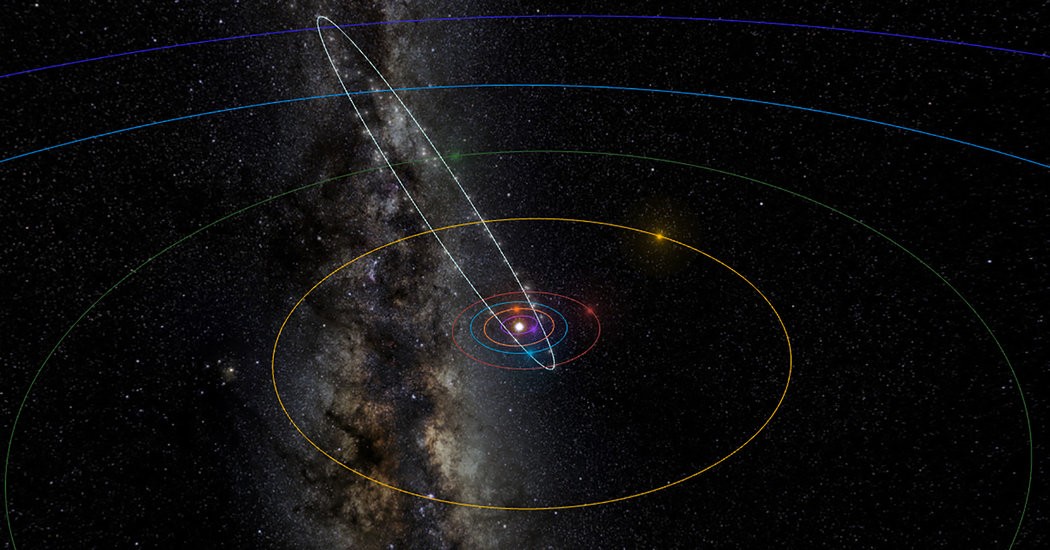
Meteor showers occur when Earth passes through debris trails left behind by comets or asteroids orbiting the Sun. These particles, often no larger than grains of sand, enter our atmosphere at high speeds and burn up, creating the streaks of light we perceive as meteors. The Ursids originate from debris associated with Comet 8P/Tuttle.
When and Where to Look
The peak activity for the Ursids is expected Sunday night into Monday morning. Meteors will appear to radiate from near the Little Dipper, a prominent asterism within the constellation Ursa Minor. Skywatchers in the Northern Hemisphere have the best chance of spotting them. This year’s conditions are favorable: the Moon will be only 3% full during the peak, minimizing light pollution.
Tracking Real-Time Activity
For those who want to know when visibility is highest, the Global Meteor Network provides live data on fireball activity. This can help determine optimal viewing times as the shower progresses.
Why Meteor Showers Matter
Meteor showers are a natural reminder of the dynamic processes occurring in our solar system. These events don’t pose any danger to Earth, but they offer an accessible way for anyone to experience the beauty of space. The Ursids, in particular, occur near the winter solstice, making this display a fitting spectacle for the darkest time of the year.
The Ursids peak is a short-lived but brilliant show, offering a unique opportunity for amateur astronomers and casual observers alike to witness a fleeting piece of cosmic dust illuminate our atmosphere.