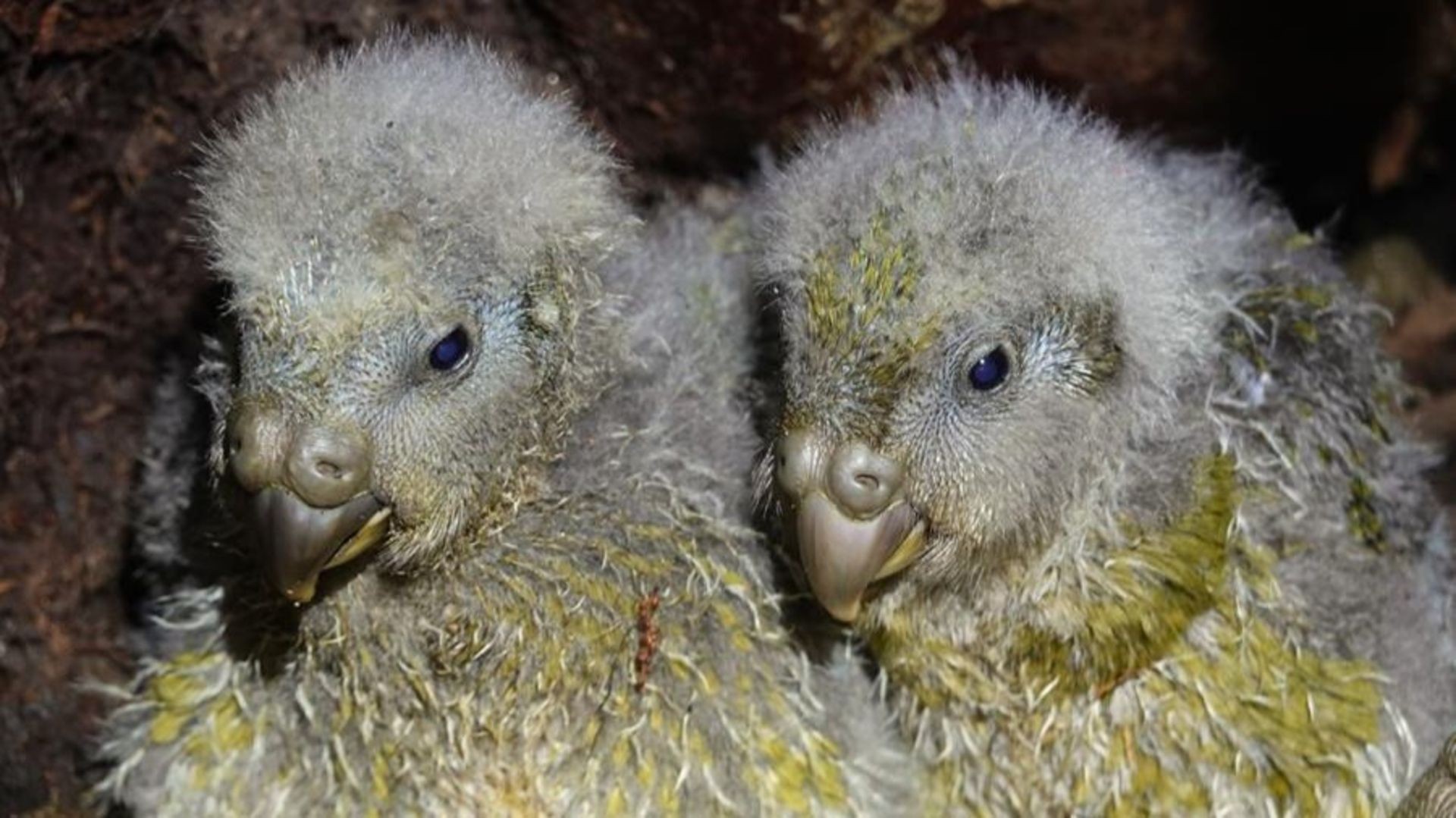
The fight to save one of the world’s most unique birds has reached a significant turning point. New Zealand’s Department of Conservation has announced a record-breaking breeding season for the kākāpō, a critically endangered, flightless parrot that narrowly escaped extinction just three decades ago.
Breaking Records in a Fragile Recovery
According to recent data, the kākāpō recovery program has celebrated the hatching of its 105th chick —the highest number recorded since monitoring began 30 years ago.
The breakdown of the current breeding cycle reveals a complex picture of survival:
– 256 eggs were laid in total.
– 105 chicks successfully hatched.
– 98 chicks are currently alive and thriving.
– One egg remains under incubation.
While these numbers are historic, the recovery process remains delicate. Rangers reported that seven chicks have died so far this season, and four others required urgent medical intervention at the Dunedin Wildlife Hospital. The official final count will not be confirmed until mid-July, when the youngest chicks reach 150 days of age and are classified as adults.
Why the Kākāpō is So Vulnerable
The kākāpō (Strigops habroptilus ) is a biological anomaly. As the world’s heaviest and fattest parrot, these flightless birds have evolved in an environment free of mammalian predators. However, this specialization became their greatest weakness when humans introduced invasive species to New Zealand.
Several biological and environmental factors make their recovery exceptionally difficult:
* Slow Reproduction: Kākāpō do not breed annually; they reproduce only once every two to four years, often depending on the fruiting cycles of specific native trees.
* Low Fecundity: Most females produce only a single chick per breeding season, meaning population growth is naturally slow.
* Historical Decline: A combination of habitat destruction, hunting, and introduced predators caused populations to plummet, leaving the species on the absolute brink of extinction in the 1990s.
The Path Forward
Despite the challenges, the current numbers offer a rare glimmer of optimism. With only an estimated 235 kākāpō remaining in the wild, every successful hatch is a vital buffer against total extinction.
The success of this season suggests that intensive conservation management—including predator control and specialized breeding programs—is working. As Deidre Vercoe, operations manager for the kākāpō, noted, each new chick moves the species one step further away from the edge of disappearance.
“Every new chick brings the species further from the brink of extinction. There’s always a sense of hope and optimism for the future.”
Conclusion
This record-breaking breeding season marks a critical victory for New Zealand’s conservation efforts, proving that even the most vulnerable species can rebound with dedicated, science-based intervention.