


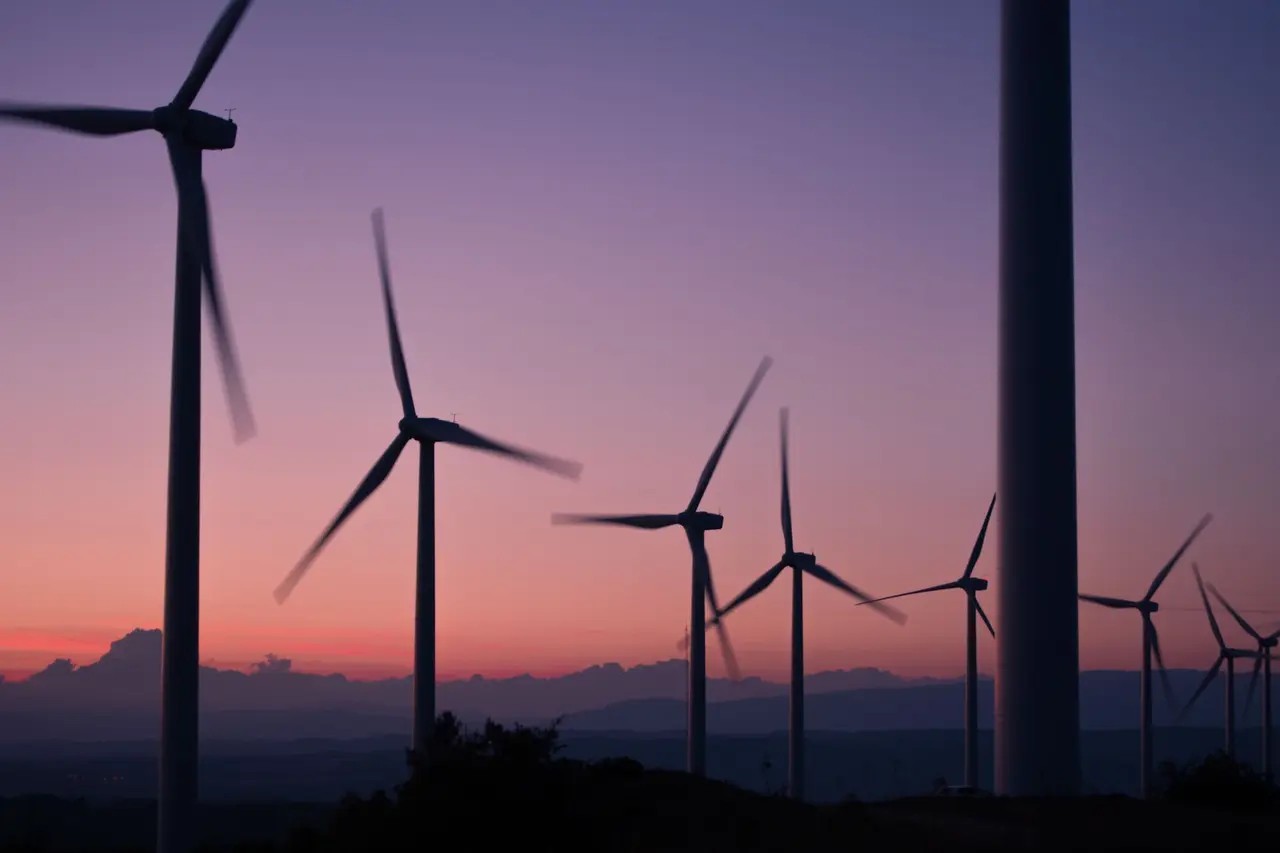
The world is witnessing an almost frantic spread of clean energy. Solar panels, wind turbines, hydroelectric plants and biogas plants are expanding rapidly. According to the International Energy Agency (IEA), in a zero-emissions scenario, these renewable energy sources could produce up to 90% of the world’s electricity. This is a significant increase from 2020’s share of 29 percent.
But growth does not mean perfection. Although these technologies are developing rapidly, they still have inherent limitations. In commemoration of World Environment Day on June 5, it’s time to put the hype aside and test your practical understanding of the mechanisms behind the green transition.
How this check works
This is not a lecture. This is a direct assessment of how well you understand the impactful infrastructure of your future.
- Click on the option you think is right. The answer reveals itself instantly.
- Click the down arrow to continue.
- Track your progress with the horizontal bar at the top.
- Check your final score after answering all 10 questions.
Core concepts
Before we get into the details, let’s clear up some common misconceptions that often derail public discussion. The gap between “clean energy” and “sustainable energy” is wider than most people realize.
1. The Five Types of Renewable Energy
Although solar and wind energy are easy to list, the categories are much broader. There are five main types:
1. Solar energy
2. Wind
3. Hydropower
4. Geothermal
5. Biomass (including biogas)
Each has different geographical and technical requirements.
For example, geothermal is only viable in certain tectonic zones.
Biomass is based on organic waste streams, which creates supply chain complexity that solar plants do not face.
2. Is Hydrogen Really Clean?
This is where the terminology gets tricky. Hydrogen itself is not an energy source, but an energy carrier. It has to be produced.
– Green hydrogen: Made by electrolysis using electricity from renewable sources. This is clean.
– Grey hydrogen: Made from natural gas. It releases a large amount of carbon dioxide.
– Blue hydrogen: Gray hydrogen with carbon capture. Still controversial.
Hydrogen is not clean if the power grid of the electrolyzer is dominated by coal. Purity depends entirely on the energy mix of the upstream.
3. The Wind Turbine Limitation
Wind turbines cannot harness all the wind due to Betz Limit. No turbine can capture more than 59.3% of the wind’s kinetic energy. Why? Because when the turbine captured 100%, the air movement stops behind it. Wind power of the next turbine is zero. Physics requires air to flow through the rotor. This is not just a technical inefficiency, but a fundamental limitation of fluid dynamics.
4. Renewables vs. Biodiversity
The effects on biodiversity are often overlooked.
– Solar: Large farms can damage local habitats and soil health.
– Wind: Turbines pose a danger to birds and bats, although modern radar systems reduce this risk.
– **Hydro: Dams divide rivers, prevent fish migration, alter sediment flows and affect downstream ecosystems.
“green


