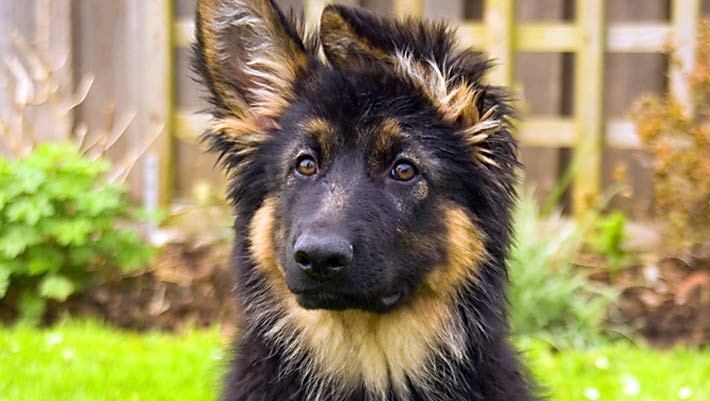
A comprehensive genetic analysis confirms that over two-thirds of modern dog breeds retain detectable wolf ancestry, challenging prior assumptions about canine domestication and revealing a deeper, more recent connection between dogs and their wild relatives than previously understood. The study, published in the Proceedings of the National Academy of Sciences, combined ancient and modern genomic data from nearly 2,700 canids to uncover widespread historical gene flow.
Unexpected Persistence of Wolf DNA
For decades, scientists believed that domestication sharply separated dog and wolf genomes, with hybridization occurring rarely after dogs diverged from gray wolves roughly 20,000 years ago. However, researchers from the American Museum of Natural History, the Smithsonian, and UC Davis found that 64.1% of modern breed dogs exhibit wolf ancestry in their nuclear DNA, resulting from admixture that occurred within the last 1,000 generations. This means that wolf genes are far more prevalent in domestic dogs than previously assumed.
Every free-roaming dog (village dog) analyzed in the study also carried detectable wolf ancestry, reinforcing the idea that even dogs with less structured breeding histories have retained traces of their wild origins.
Breed-Specific Variations
The extent of wolf ancestry varies significantly across breeds. Czechoslovakian and Saarloos wolfdogs, intentionally bred with wolves, carry the highest levels (23-40%). Among purebreds, the Great Anglo-French tricolour hound exhibited the most surprising result, with 4.7-5.7% wolf ancestry, given its common status in modern France. The Shiloh shepherd also showed notable wolf genetics (2.7%), a consequence of deliberate breeding with wolfdogs to improve health and temperament.
Conversely, breeds like the Neapolitan mastiff, bullmastiff, and St. Bernard showed no detectable wolf ancestry, highlighting the selective pressures that have shaped different lineages.
Evolutionary Benefits and Behavioral Traits
The persistence of wolf genes suggests that they continue to provide adaptive advantages for dogs. Researchers found enriched wolf ancestry in olfactory receptor genes among village dogs, likely aiding in scavenging human food waste. Tibetan mastiffs carry a gene from Tibetan wolves that helps them survive at high altitudes with low oxygen levels.
The study also explored correlations between wolf ancestry and reported personality traits. Dogs with higher wolf ancestry were more often described as suspicious, independent, loyal, and territorial, while those with less ancestry were typically labeled friendly, eager to please, and easy to train. The researchers caution that these descriptors are subjective, but they raise the possibility that certain behavioral traits may be linked to retained wolf genetics.
A New Understanding of Canine Evolution
The findings reshape our understanding of canine evolution by demonstrating that wolf DNA is not only tolerated but also actively maintained in dog genomes. This implies that dogs have continued to benefit from the genetic contributions of wolves, even after domestication. As Dr. Logan Kistler stated, “Dogs have had to solve all kinds of evolutionary problems… and it seems like they use wolf genes as part of a toolkit to continue their evolutionary success story.”
The study’s implications extend beyond genetics; it challenges long-held assumptions about the separation between dogs and wolves and opens new avenues for researching canine behavior, adaptation, and the complex history of domestication.