


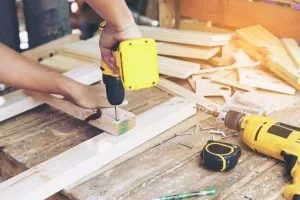
We are tired of buying.
Not just tired. Exhausted. The cycle of purchasing the latest gadget, using it once, and tossing it into a landfill feels less like a hobby and more like a personal failure. That is why the shift toward DIY home projects and self-made solutions isn’t just a trend. It is a rebellion against the waste.
People are building things instead of buying them.
The appeal is obvious. Handmade items cost less. They last longer. And they leave a smaller footprint on the planet. But the change goes deeper than saving money or saving trees. It is about reclaiming agency over our daily lives. We are moving away from a disposable culture where nothing has permanence or soul.
The Cost of Cheap Things
Think about your closet. How many items there cost less than ten dollars?
They fit poorly. The zippers break. The fabric pills after a single wash. You replace them. Again. And again. This is the core of the throwaway model. It relies on planned obsolescence. You buy cheap. You replace often. You pay with your wallet and the environment.
When you start making your own clothes or repairing your electronics, the math changes.
Sure, a sewing machine costs money. A screwdriver set costs money. But over time, the cost per use drops significantly. You stop paying for the brand’s marketing budget. You stop paying for the middleman. You pay for the materials.
This isn’t just frugality. It is efficiency.
Environmentally Friendly DIY Practices
The environmental argument is stronger than most realize.
Manufacturing new products requires energy, raw materials, and shipping. All of it creates carbon emissions. When you repair a jacket instead of buying a new one, you avoid the entire production chain.
Consider the textile industry. It is one of the most polluting sectors on Earth. By learning to repair clothing at home, you directly reduce demand for new cotton, polyester, and dye.
Think about your kitchen. Are you buying pre-chopped vegetables? Pre-packaged snacks? Or are you preparing ingredients from scratch?
The latter reduces plastic waste. It reduces energy used in processing. It supports local agriculture if you buy fresh produce. These small choices add up. They create a ripple effect that challenges the status quo.
Changing Daily Culture
This shift is changing how we view our homes and our time.
We are spending more hours fixing, building, and creating. Yes, it takes time. But that time feels different. It feels meaningful. You are not just consuming; you are contributing.
This mindset is spreading.
Neighbors are teaching each other how to bake bread. Friends are swapping skills. Someone knows carpentry. Another knows coding. We are sharing knowledge instead of just sharing products.
“Making things yourself connects you to the object and the process.”
It is a simple statement. But it holds weight. When you build a shelf, you understand its structure. You appreciate its stability. You notice when it starts to wobble. You fix it. You don’t throw it away.
The Hidden Benefits of Self-Sufficiency
There are other advantages, too.
Personalization. Mass-produced items are generic. They look the same in every house. DIY projects allow for unique expression. You
Why the DIY Movement Isn’t Just a Trend
The phrase “do it yourself” usually conjures images of a person covered in sawdust, wrestling with a stubborn cabinet hinge. But the term refers to something broader. It is the act of making, repairing, or decorating items without hiring a professional. This started as a pushback against industrial mass production. By the 1950s, magazines and books on home improvement were everywhere. Since then, the movement has shifted. It is no longer just about fixing leaks. It covers fashion, electronics, and home decor. The goal is simple. Build skills. Boost creativity. Gain independence.
Why DIY Matters Today
You might wonder why this matters now. The answer lies in sustainability and self-expression. Reusing old materials reduces waste. It also breaks the cycle of consumerism. People want unique items. They do not want mass-produced junk. DIY allows for individuality. You learn while you create. This builds confidence. It turns passive buyers into active creators.
Where Ideas Come From
Inspiration often strikes from nowhere. A broken chair becomes a plan. A blank wall becomes a canvas. Social media plays a huge role here. Platforms like Pinterest or Instagram are endless sources of tutorials. Users share their wins and their failures. This visibility encourages others to try. Books and magazines still work too. They offer depth.
Once the idea forms, planning begins. Sketches help organize thoughts. Research is key. You need to know the steps before you start. If you get stuck, online forums are lifesavers. Experienced members offer advice. They help identify pitfalls. This preparation phase is critical. It separates a disaster from a success.
Gathering Materials
The next step is sourcing. You need the right tools. You need the right materials. Local hardware stores are obvious choices. Online shops offer variety. Recycling centers are underrated goldmines for cheap, high-quality finds. The right selection impacts the final result. Cheap tools can lead to poor craftsmanship. Good materials ensure durability.
From Concept to Reality
Turning an idea into a physical object requires discipline. It is not just about passion. It is about organization. Without a plan, projects stall. Motivation fades. A clear roadmap keeps you on track.
Planning and Budgeting
Time management is often overlooked. Set milestones. Check your progress. This prevents the project from dragging on for months. Budgeting is equally important. List every potential cost. Include a buffer for unexpected expenses. Financial surprises can kill a project. If you plan for them, they become manageable hurdles rather than dead ends.
Execution and Problem Solving
When you start building, follow the instructions. But be ready to adapt. Choose tools that fit the job. Use techniques that match the material. Quality matters. High-end tools make the work easier and the finish better. Problems will arise. A board might split. A paint might clash. Flexibility is your best tool. Creative problem-solving turns mistakes into features.
How DIY Changes Culture
DIY does more than make furniture. It changes how people think. Engaging with materials sparks innovation. It leads to unconventional solutions. Consider the trend of pallet furniture. Old shipping pallets become stylish tables. It is sustainable. It is functional. Another example is homemade cosmetics. Natural ingredients replace chemicals. The result is personalized and eco-friendly. These projects challenge the norm. They encourage a “make it yourself” mindset.
Building Community
DIY is rarely a solo act. Workshops bring people together. Knowledge is shared. Skills are passed on. Online communities expand this network. Forums and social groups connect people globally. You are not alone in your struggle. You have a worldwide network of support. This collaboration fosters a sense of belonging. It turns a solitary hobby into a shared culture.
Sustainability and Environment
The environmental impact is significant. Repairing extends the life of products. Upcycling diverts waste from landfills. Using natural materials reduces chemical exposure. This approach aligns with broader ecological goals. It encourages mindful consumption. People start to value what they own. They learn to care for it. This shift in perspective is perhaps the most lasting benefit of the DIY movement. It changes not just what we make, but how we live.
The line between buyer and maker is blurring. Is it about saving money? Or is it about reclaiming agency? The answer is likely both. The tools are there. The knowledge is free. The only missing piece is the decision to start.
The environmental angle of making things yourself isn’t just about saving pennies. It’s a direct hit to the throwaway culture that dominates modern retail. By choosing upcycling over buying new, you keep materials out of landfills. Old furniture becomes a shelf. Broken electronics find new life. This isn’t just a hobby. It’s a statement against the endless cycle of consumption.
You aren’t just saving resources. You’re rewriting your relationship with objects. The items you create last longer. They’re built with intent, not factory speed. This shift toward sustainable DIY practices changes how you view waste. It turns trash into treasure. And it forces a pause on the impulse to replace what’s broken.
The Psychology of Making Something Yourself
There is a specific kind of pride that comes from building something with your own two hands. It’s not just about the final product. It’s the journey. The struggle with the glue. The frustration of a miter cut gone wrong. The triumph when it finally fits. This process builds competence. It strengthens self-confidence in ways scrolling through online catalogs never could.
Consider the emotional payoff. A store-bought lamp is just a lamp. A hand-built lamp is a testament to your persistence. It proves you can solve problems. You can learn skills. You can create value from nothing. This sense of agency is powerful. It counters the helplessness often felt in a world driven by mass production.
Then there’s the uniqueness factor. Mass-produced items are identical. Yours is not. No one else has this exact grain match. No one else has this specific quirk where the joinery isn’t perfect but holds firm. This emotional value of handmade goods creates a bond between maker and object. You know its history. You know its flaws. You respect it because you respect the work you put into it.
Saving Money Without Sacrificing Soul
Let’s be real. DIY often costs less. But if you stop there, you miss the point. The financial benefit is real. You avoid retail markups. You source cheaper materials. You repair instead of replace. But the satisfaction comes from how you spend that saved money and time. You aren’t just hoarding cash. You’re investing in a creative outlet.
This combination—economic efficiency plus creative expression—creates a feedback loop of happiness. You feel smart for saving money. You feel good for using your weekend productively. It’s a double win. Unlike the fleeting dopamine hit of an online checkout confirmation, DIY offers sustained fulfillment. The pride lingers. The utility remains. The memory of the process stays.
“DIY transforms consumption into creation. It shifts the focus from owning more to doing more.”
The result is a deeper, more durable satisfaction. It’s the difference between having a thing and having achieved something. That distinction matters. It changes how you interact with your home. Your belongings. Your time. And eventually, your identity. The world keeps moving fast. Your hands stay grounded. And that grounding feels like freedom.