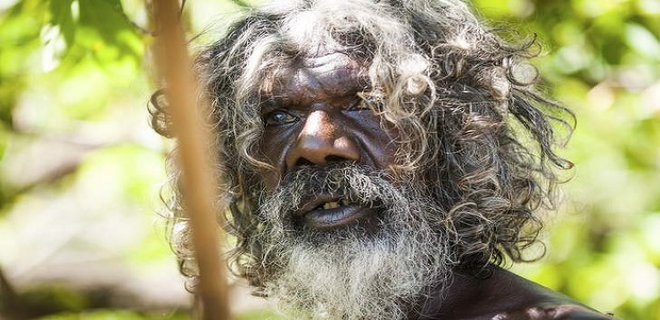
It’s not just a movie. It’s an argument. A quiet, devastating one.
Rolf de Heer didn’t just direct Charlie’s Country. He curated a grief. Released in 2013, this film sits in a weird, beautiful space between drama and mockumentary. It feels real because it is real. At least, the people are. The story? That’s fiction wrapped around a brutal truth.
At the center is David Gulpilil. If you know Indigenous Australian cinema, you know his name. If you don’t, prepare to be haunted by his performance. He plays Charlie. A man who feels like a stranger in his own land. That’s the core of the conflict. Not a war with guns. A war with bureaucracy. With laws. With erasure.
“It’s not just a character study. It’s a portrait of a culture fighting to survive its own history.”
Why Charlie’s Country Resonates Today
You might ask: why watch Charlie’s Country in 2024? Or 2025? It’s old news. Right?
Wrong. The issues haven’t aged. They’ve gotten sharper.
The film tracks Charlie’s retreat from the town into the bush. He’s trying to reclaim a way of life that the system has tried to wipe out. It’s about cultural erosion. Slow. Invisible. But deadly. De Heer shows us that the violence isn’t just physical. It’s administrative. It’s the inability to hunt. To fish. To exist outside a box.
Gulpilil doesn’t act. He is. There’s a scene where he looks at the camera. Directly. Breaking the fourth wall. It’s uncomfortable. It forces you to acknowledge you’re watching suffering. Not for entertainment. For witness.
The Role of David Gulpilil
Let’s talk about Gulpilil. He wasn’t just an actor here. He was a consultant. A guide. He knew the land. He knew the rhythms. Without him, this film would be a caricature. With him, it’s a elegy.
His performance is subtle. No big speeches. No dramatic arcs. Just existence. Struggle. Endurance. It’s a masterclass in understatement. And it’s heartbreaking.
How Charlie’s Country Challenges Western Narratives
Most films about Indigenous peoples are told by outsiders. With cameras. With scripts. With agendas.
De Heer flips the script. Literally. He uses long takes. Silence. Nature. The landscape becomes a character. The outback isn’t just a backdrop. It’s a judge. It watches Charlie’s descent. It watches the system’s failure. It doesn’t intervene. It just is.
This isn’t a feel-good movie. You won’t walk away smiling. You’ll walk away angry. And confused. And maybe a little ashamed. That’s the point.
“The land doesn’t care about your laws. It only cares about whether you can live on it.”
What Happens Next?
We’re only at the beginning. Charlie’s journey is just starting. His retreat into the bush is both a liberation and a death sentence. The system will come for him.
The Cost of Reclaiming Identity in a Colonial System
Charlie’s story isn’t just a coming-of-age tale. It’s a brutal examination of survival in a system designed to erase you. He lives in modern Australia where compliance is mandatory. To stay afloat, he plays by white rules. He shakes hands. He nods. He suppresses the parts of himself that don’t fit into the tidy boxes of mainstream society.
But this performance has a cost.
The life he leads is a direct contradiction to his Aboriginal heritage. It feels wrong. It feels hollow. The disconnect between his daily actions and his ancestral roots creates a tension that becomes unbearable. He can’t keep pretending the mask is his face.
“Freedom isn’t given. It’s taken back by returning to who you actually are.”
So he starts walking away. Not just from a job or a town, but from the entire structure that demands his assimilation. This journey back to his roots isn’t a vacation. It’s a stripping away. He has to unlearn the habits of the modern world to remember the rhythm of his culture.
It’s hard.
Let’s be honest about that. Giving up the security of modern convenience isn’t romantic. It’s terrifying. But for Charlie, staying put was worse. The film forces you to ask: How much of yourself are you willing to lose to fit in?
His path is messy. It’s not a straight line back to tradition. It’s a struggle to find a balance between the man he has to be to survive today and the person he was born to be. The movie doesn’t offer a neat resolution. It just shows the work. The hard, uncomfortable work of remembering.
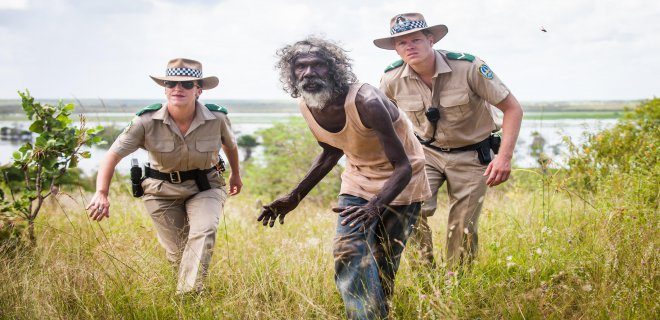
Rites of Passage (1987), sadece bir yol hikayesi değil. Aborijin halkının modern dünyaya sığma zorunluluğuyla kültürlerini koruma çabası arasındaki o ince çizgiyi keskin bir dille anlatır. Charlie’nin hikayesi, asimilasyonun bedelini gözler önüne serer.
Kültürün Boşaltılması ve Emperyalizmin Gölgesi
Görüntüler bazen sadece birer kare olmaktan çıkar. Charlie’nin Kraliçe Elizabeth önünde dans ettiği o ikonik fotoğraf öyle bir örnek. Bu sahne, yerel kültürün nasıl emperyal güçler tarafından ticarileştirildiğini ve içi boşaltıldığını sembolize eder.
Gelenekler, dışarıdan gelen baskılarla deformasyona uğrar.
- Ticarileştirme: Yerel ritüeller, büyük güçlerin ilgisini çekmek için bir araç haline gelir.
- Kimlik Kaybı: Charlie’nin bu dansı, köklerinden kopuşunun bir kanıtıdır.
Bu çelişki, filmi izlerken sürekli zihninizde bir gürültü yaratır. Gelenekle modernite arasında sıkışmış bir insan profiliyle karşılaşırsınız.
Modernite ile Gelecek Arasındaki Gerilim
Charlie’nin gözlük takması ve araba kullanması tesadüf değil. Bunlar, geçmişe dönme hayalinin gerçeklerle nasıl savaştığını gösteren detaylar.
O, beyazlarla aynı haklara sahip olmayı ister. Ama bu istek, kendi topluluğundan kopması anlamına da gelir. Geçmişe duyulan özlem, bugünün gerçekleriyle çatışır.
“Geçmişi aramak, bazen kendinizi kaybetmekle sonuçlanır.”
Bu durum, sadece Charlie’ye özgü bir sorun değil. Küreselleşmenin gölgesinde kalan birçok topluluk için bu, günlük bir gerçektir. Charlie’nin gözlükleri, sadece görmesini değil, dünya değiştiğini görmesini sağlar. Araba ise, artık yavaşça yürüyen bir dünyada hızlı hareket etme ihtiyacını temsil eder.
David Gulpilil: En İyi Erkek Oyuncu Ödülleri ve Cannes Başarısı
Bu filmi hatırlatan tek şey senaryo değil. David Gulpilil’in performansı var.
Gulpilil, Aborijin halkının yaşadığı sorunları izleyicilere çarpıcı bir şekilde aktardı. Oyunculukta doğal bir akış vardı. Bu performans, sadece bir rol oynamak değil, bir varoluşu canlandırmaktı.
Sonuç, ödüllere yansıdı.
- Cannes Film Festivali: En İyi Erkek Oyuncu ödülünü aldı.
- Avustralya Sinema ve Televizyon Sanatları Akademisi (AACTA): Aynı kategoride ödüle layık gör

Why Charlie’s Country Demands Your Attention
There are layers to this film that go far beyond standard entertainment. You get hits of Adorno’s “Culture Industry” concept, right there on screen. It’s not subtle. The movie highlights how imperial powers turned culture into a commodity. It’s a sharp critique wrapped in narrative.
Then there’s the style. Director Rolf de Heer uses a mockumentary approach effectively. Charlie (David Gulpilil) breaks the fourth wall, speaking directly to the camera. It creates a raw, documentary feel. The result is authenticity. You stop watching and start witnessing.
The Weight of Addiction and Survival
Aboriginal communities and their struggles with alcohol and tobacco are central here. The film doesn’t shy away from showing how addiction impacts these individuals. It’s a recurring theme. The effects are shown viscerally. This isn’t just background detail; it’s part of the fabric of Charlie’s reality.
This isn’t just a movie. It’s a record of cultural resistance. David Gulpilil delivers a powerhouse performance. His presence anchors the film. Combined with de Heer’s direction, it’s an experience you won’t forget.
Understanding Colonial Contradictions
Why does this matter now? The film explores the contradictions caused by modernization and assimilation. It forces viewers to confront the hardships of Aboriginal life head-on. It’s not optional viewing if you want to understand these dynamics. It’s essential.
Charlie’s Country stands as a testament to a people’s fight for their identity. It’s challenging. It’s real. And it stays with you long after the credits roll.