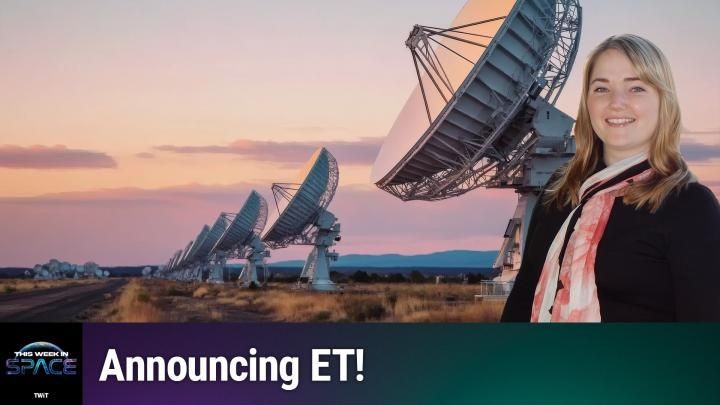
The search for extraterrestrial life is often framed through the lens of discovery: how do we find it, and what does it look like? However, a critical question remains largely unaddressed in mainstream discourse: Once we find it, how do we tell the world?
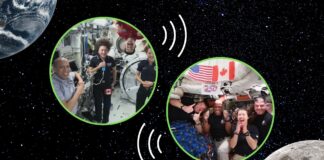
In the latest episode of the This Week In Space podcast, hosts Rod Pyle and Tariq Malik sit down with Dr. Brianne Suldovsky from Portland State University to explore the sociological and communicative minefield that follows a potential discovery of alien life.
The Challenge of “Breaking the News”
Whether the discovery is a highly advanced civilization or a simple microbe found in Martian soil, the impact on human society would be profound. Dr. Suldovsky points out that while scientists focus heavily on the detection of life, there is surprisingly little preparation for the announcement of it.
This lack of preparation is particularly concerning due to several modern complexities:
- Institutional Mistrust: In an era where public confidence in large scientific and governmental institutions is fluctuating, a sudden announcement of alien life could be met with skepticism or conspiracy theories.
- The Scale of Impact: The difference between discovering a single-celled organism and a radio signal from a distant star cannot be overstated. Each requires a vastly different communication strategy to prevent panic or widespread misinformation.
- Scientific Uncertainty: Science is a process of constant refinement. Explaining a discovery that may be subject to change or further verification is difficult when the public expects absolute, unchanging truths.
“How this can best be communicated in an age of mistrust in large institutions and science is a vexing one.”
Weekly Space Briefing
Beyond the deep dive into astrobiology, the latest updates from the space sector highlight a period of intense testing and observation:
🚀 Launch and Hardware Updates
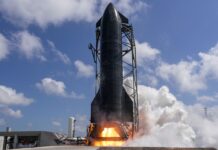
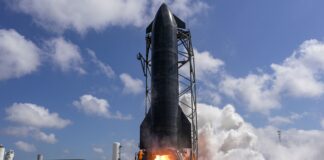
- SpaceX Starship: SpaceX is preparing to fire up its next-generation “Version 3” Starship, a vital step ahead of a landmark test flight scheduled for May.
- Artemis 2 Progress: NASA’s Artemis 2 mission has received positive news regarding its heat shield, which appears to have successfully passed its “trial by fire” testing.
🔭 Celestial Events to Watch
- Comet PanSTARRS: Skywatchers are encouraged to look for Comet PanSTARRS, a rare celestial event that may soon disappear from view.
- Lyrid Meteor Shower: The 2026 Lyrid meteor shower has officially begun, offering a seasonal window for astronomers and enthusiasts to observe.
Conclusion
The discovery of extraterrestrial life would be the most significant event in human history, yet our ability to communicate that reality to a skeptical public remains underdeveloped. As space exploration accelerates through projects like Artemis and Starship, the scientific community must prepare not just for the finding of life, but for the societal shifts that follow.