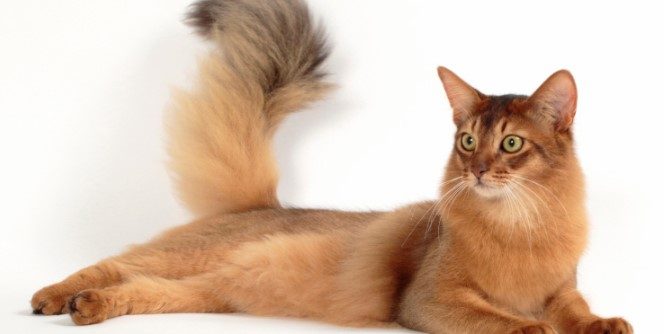
The Somali cat has a special charm that has nothing to do with its coat and personality. These are not indifferent pets sitting on a pedestal judging your life choices. They are intelligent, talkative and deeply attached to people. Somali cats form strong bonds with their owners and often follow them from room to room like a furry shadow.
Although this breed looks like a small lion, it is surprisingly gentle. They are known to be loving, playful and even a bit dramatic. You will find them performing strange stunts just for fun. Or a snack. It often contains a bit of both. This combination of wild aesthetics and cozy sweetness has made the Somali cat a favorite in many families around the world.
From ancient Egypt to modern performance rings
The history of this breed is surprisingly old. You may be surprised to learn that the ancestors of the Somali’s ancestors appear in documents as early as 990 BC. Ancient Egyptian papyrus scrolls depict cats that look very similar to modern Somali cats, suggesting that the cat’s lineage stretches back thousands of years.
However, this breed as we know it today is a relatively recent invention by American breeders. However, you are not starting from scratch. The foundation was created by the Abyssinian, another ancient-looking race that has ticked coat. American breeders used the Abyssinian gene pool to create the Somali cat and specifically selected a long-haired breed.
The genetic efforts have paid off. Somali fur is a natural masterpiece. Unlike its close relative, the Abyssinian, with its short coat, the Somali has a plump, fox-like tail and a luxurious long coat that requires regular grooming. But don’t be afraid of the need for care. This attempt is part of a bonding ritual.
Why Somalia stands out
If you are looking for a cat that is willing to interact with you, the Somali is the perfect cat. They are not common in your lap, but they rarely stray far from your lap. They are active, curious and need mental stimulation. A bored Somali may have a problem. Or maybe just stare at you until you do something.
In 2004, Somali Cat achieved a significant milestone by winning the championship. This is important because it reinforces the unique characteristics of this breed compared to the more common short-haired breeds. The show ring recognizes the beauty of the shaggy tick coat, a feature that sets the Somali cat apart from other breeds.
Grooming requirements for a long-haired hunter
Caring for Somalis is easy if you understand their needs. Their long coats shed and can become tangled if not groomed regularly. How many times a week you should brushing a few times is non-negotiable. This is also a chance to keep their coat healthy and check for skin problems.
They are very active and require vertical space. Cat trees, shelves and windowsills are essential. They love to climb into their territory and observe it from above. This instinct is built into the cat’s DNA, and its origins date back to ancient Egypt, when all cats were potential hunters.
They are also social creatures. Somalis can suffer from loneliness if you work long hours. They thrive in homes with people or other pets. They are not the type to sit alone in the dark waiting for dinner. they find
Somali cats are not your typical aloof house pet. Smart, restless and curious about the world outside the door. If you are considering this breed, you should understand that its personality is based on exploration. They enjoy exploring new spaces and spending time outside, but only under close supervision. This is not a cat that just walks. A safe and secure environment is essential for the desire to travel without compromising safety.
Things have changed at home. Somali cats need outdoor activities, but they also adapt well to home life. They get along well with companions, but not alone. They are a social species that consider other animals as playmates and friends. If carefully introduced, adding another cat or dog to the home is often the right choice. They want to be part of a group.
Social butterflies in the cat world
What makes the Somali unique is its strong ties to humanity. They are not content to just sit on a perch and observe. They want to be in the thick of things. These cats are often described as having a clownish and playful personality. They interact with their owners for entertainment and seek companionship and attention.
Their voices are an important part of their personality. Somali cats are very talkative. They’re not afraid to let you know what they’re thinking with their frequent meowing. It’s not noise for noise’s sake. This is not noise for noise’s sake; it is communication. They enjoy “talking” to the people, sharing what’s going on in their day, or simply asking for food or playtime.
Curiosity guides their actions. If something happens in the room, the Somali cat needs to be involved. They weave through your legs, jump on the counter, or watch intently from a distance. This characteristic also applies to social situations. They are not shy around strangers. Instead, they greet guests warmly at the door. They want to see everyone, smell everyone and be loved by everyone.
Somali cats are very social, intelligent and talkative cats that require a lot of interaction and secure outdoor access.
Meet their needs
These cats are very attached to people and can become lonely if left alone for long periods of time. The need for mental stimulation is very high. Puzzle toys, interactive games and regular playtime are not luxuries. they are necessities. Without an outlet for their energy and intelligence, they become bored, which can lead to destructive behavior.
Their friendly nature makes them excellent companions for families and individuals who often stay at home. They follow you from room to room, purr and playful pounce. This level of involvement is rewarding for owners who want a pet that feels more like a roommate than an accessory.
However, this clinginess has its downside. If you like cats that respect your space and stay in their corner, the Somali may be too much for you. They demand presence. They demand participation. They want to be the center of your attention and are good at capturing your attention with their expressive eyes, meows and playful antics.
Somali cats have a unique blend of wild ancestry and domestic affection. They retain the curiosity of their wild relatives, but turn it into deep, loving connections with their human families. Understanding this temperament is the key to a happy relationship. You are not just getting a
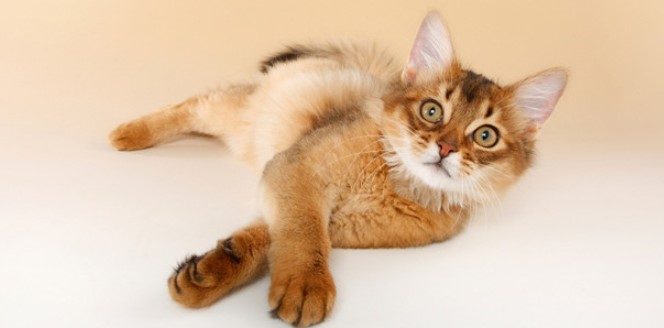
At first glance, this Somali cats looks like it just came down from the savannah. Its wild silhouette is deceiving. The reality is much calmer. Yes, this breed is elegant, But the its nature is the complete opposite of ferocious.
The coat speaks for itself. Soft and smooth, it wraps around the body from all directions. The coat is thick and fine. Depending on the season and the angle, it can appear very short or very long, creating a shimmering effect that varies according to the light.
“Somali catss have a wild appearance, But the they have a gentle and affectionate personality.”
Unique features and color options
Look closely at the face. The eyes are large, bright and distinctly almond-shaped. They look shiny. There is a natural “mask” effect around the eyes. The hair there is slightly lighter than the other parts of the face, creating a clear contrast.
The body itself is medium in size, But the sturdy. It is muscular and powerful, forming graceful curves. The tail is long and balances the body perfectly. It often has feathers at the tip, which adds to the exotic appeal of felines.
Somalis really shine in color. An incredibly wide range of colors is allowed for this breed. You might encounter:
- chocolate
-lilac - blue
- red cream
- Tabby (spotted or classic)
-tortoise shell - Fawn
- silver
-copper
This diversity means that no two Somali catss look exactly alike. The depth of their coat colors, giving them a rich, multi-dimensional look that short-haired breeds don’t have.
Understanding the Breed’s Appeal
Why is this particular appearance important? This is not just a matter of aesthetics. The Somali’s traits reflects its history. Originally developed from Abyssinian cats, the long-haired gene was introduced to create this unique breed. The result is a cat that retains the energy of the Abyssinian, But the adds a layer of luxurious fur.
People are often drawn to the Somali for its visual impact. The wild look is attractive. But the interaction is what keeps owners coming back. Despite their rough appearance, these cats are known to be playful and intelligent. They demand engagement.
You can also choose a range of colors according to your personal preferences. Some people prefer classic ruddy tones. Others are looking for unusual shades of blue or chocolate. This diversity makes finding a Somali kitten more complicated, But the also more rewarding.
Real-Life Implications of Appearance
Owning a Somali means handling that fur. The density requires, regular grooming. Without this, mats can form. Due to its silky texture, it is prone to static, especially in dry climates.
Visual cues also affect social interaction. Somali catss are often thought of as aloof due to their wild appearance. This is wrong. They are usually sociable. They want to participate in family activities. The disconnect between appearance and behavior are a common surprise for new owners.
Knowing this will help you choose the right home. A Somali thrives in an active environment. It does not do well in silence or neglect. Bright colors and a sleek body require owners who appreciate both beauty and energy.
The debate continues about which colors are the most eye-catching. Some people favor high-contrast tortoiseshell colors. Some people like the delicate elegance of silver. There is no scientific winner.
But the
Basic care instructions for Somali cats
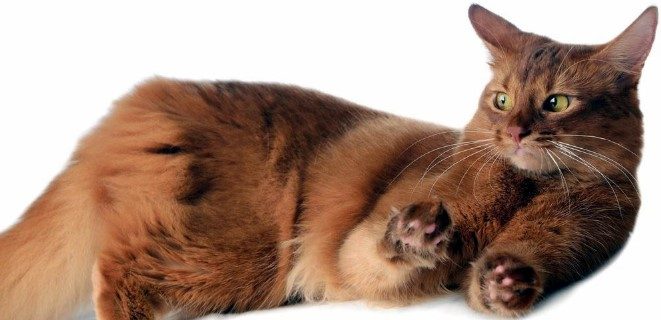
Somali cats are bred to live long lives, but this resilience is not automatic. A steady hand is needed. You can’t just throw food in a bowl and walk away. The difference between a thriving cat and a struggling cat often lies in the basics of Somali cat care : quality food and a controlled environment.
The first thing you notice is the coat. It’s dense. It is lush. It collects everything from dander to dust. Skipping brushing doesn’t just leave your home dirty. There is a risk of matting and skin problems. Use a metal comb or a slicker brush. Make it a habit. Just a few minutes a day can prevent knots from turning into painful tangles later.
Need a more thorough cleaning? An occasional warm bath can help loosen the dead undercoat. Be careful not to overdo it as this can strip it of its natural oils. However, it is an effective tool for removing loose hair before it lands on your sofa.
Hygiene is more than beauty. It’s about health. The Somali cat’s thick fur acts like a magnet, attracting bacteria from its environment. This means that toys, food bowls, water bowls and litter boxes must be disinfected regularly. Just rinsing is not enough. We need to destroy the micro-organisms hidden in plastics and fabrics.
This cleanliness has two purposes. It keeps the cat healthy. It also protects people. For people with allergies, Somali cat fur can be a double-edged sword. Although they look beautiful, it holds more allergens than short-haired breeds. Regular bathing and vacuuming are not just household chores. They are a necessary protection against allergic reactions.
Keeping your home environment sterile reduces bacteria and stress on your immune system. This is a simple equation. This prevents dirt from sticking to the coat. There are fewer triggers in the air. A happier and longer lasting partner for both of you.
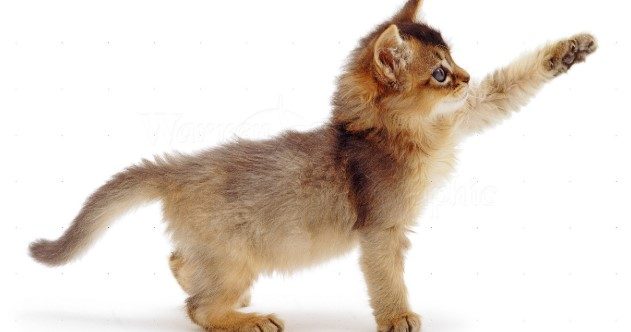
Learn about the health and longevity of Somali cats
Somali cats are generally strong creatures and can grow for years if given the right environment. Unlike many purebreds that carry hidden genetic baggage, this breed has no known genetic diseases. They have no inherent genetic defects, making them one of the healthiest options in the cat world.
Life expectancy is 12-14 years. As long as you know the basics, you can pay attention to the basics.
Routine Care and vaccinations
Health is not just happiness. It’s about continuous maintenance. You are expected to follow standard grooming and hygiene practices. But body care is only half the equation.
The immune system is your cat’s first line of defense. In order to keep it strong, regular vaccinations are not negotiable. These vaccines are the main way to protect Somalis from common bacteria and parasites. Skipping this step may leaves them vulnerable to preventable diseases.
Health is not static. It is the result of daily habits.
Dietary Needs
What goes into the bowl matters. Somali cats have different tastes and can be picky about their food. This is an advantage and not a hassle. It allows you to rotate high-quality options to keep things interesting and nutritionally balanced.
Focus on high-quality cat food. Avoid cheap fillers. The quality of the kibble or wet food directly affects the coat’s shine, energy level and long-term vitality. If you feed them well, they will live longer and more active lives.
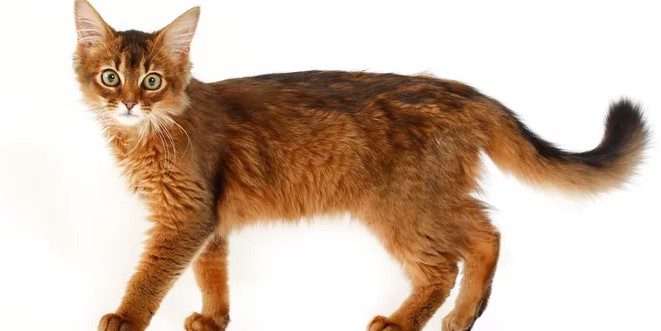
Somali cats are not only characterized by pretty faces and bushy tails. They are social butterflies in their fur. If you’re looking for the perfect pet for a chaotic, loving home, this breed often stands out. Their reputation for love, smiles and truly human behavior is more than just advertising. This has proven to be a trait that makes them stand out from the crowd of felines.
The Somali is considered an ideal choice for families with children. Why? Because they don’t sit and judge children’s drawing skills. they participate. Here, high energy and high intelligence meet to produce cats that really enjoy playing. But it’s more than just burning off steam. It’s about connection. When your child interacts with a Somali cat, the bond is quickly strengthened. Cats are not only tolerant of children. It follows them. It stays close. It becomes part of the family structure and not a distant observer.
Somali cats form strong and lasting bonds with their children because they see their family members as members of a social group, not just food dispensers.
This loyalty is rooted in their history. They have been bred to be companions and do not have the aloof behavior that is common in other breeds. They want to be involved. If you’re home, they’re there. If you move from room to room, they’re trailing behind. For some, this constant closeness may sound tiresome, but for many owners, it’s a reward. It’s the feeling of being wanted.
Get along well with other pets
One of the biggest concerns for potential cat owners is how their new cat will fit in with their current pet. Somalis tend to thrive in households with multiple pets. They are surprisingly tolerant. This is not passivity. This is social flexibility. They understand that sharing space does not mean losing status.
For dogs, the relationship is surprisingly close. Many Somali owners report that their cats and dogs sleep together, play fetch and groom together. The cat’s self-confidence and lack of fear help it see the dog as a possible playmate and not a threat.
However, you still need to be careful. Not every animal is a good match. If your pet has an aggressive or predatory past, you should be careful when introducing it. The controlled, slow penetration of the rope into the skin can trigger the following reaction in other animals. Pay attention to your body language. Keep the interaction positive. Make sure every animal has an escape route.
What this means for your home
Choosing a Somali cat means choosing an active lifestyle. These cats do not sit still for hours. They are climbers, jumpers and explorers. They need stimulation. Without it, boredom sets in and leads to bad behavior.
But for those willing to participate, the rewards are great. The Somali cat will become a real companion in your everyday life. Energize your home and deepen your emotional connection with your family and pets.
If you want to add a feline friend to your home, a Somali cat is worth serious consideration. It’s not just about owning a pet. It’s about having a partner who is truly involved in your life.
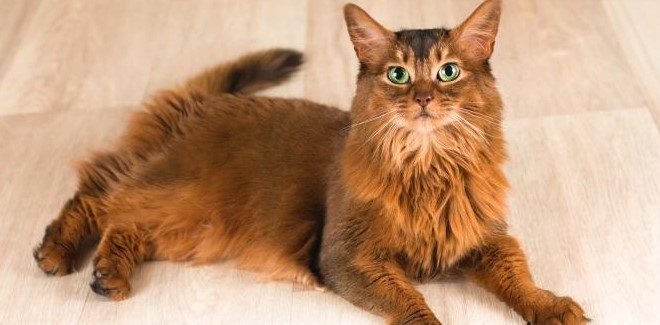
If you’ve ever stared at a photo of an African wildcat and thought it was more cute than scary, you’re probably looking at a Somali cat. This breed is often described as a “long-haired Abyssinian”, but this comparison seriously detracts from its unique personality. They are more than just pretty faces. They are energetic, highly social, and their intelligence can be both fun and tiring for their owners.
Wild looks, kind heart
The most distinctive feature of Somali cat is its appearance. They have a wild-looking body structure that suggests an Abyssinian origin. Their faces are wedge-shaped, their ears are large and alert, and their tails are very bushy and often described as feathered. This creates an exotic and wild atmosphere.
However, behind their ferocious appearance lies a personality that is by no means aggressive. Somali cats are known for being affectionate, happy and tolerant. They are less prone to indifference. Instead, they want to be involved in everything you do. They follow you from room to room. They sit on your keyboard. They use chirping instead of meow to get attention.
Their coat is also one of their characteristics. Although they appear to have a short to medium coat, it is actually more nuanced. The fur is fine, silky and close to the body, but the fur on the tail, legs and neck is longer and feathery. This double coat structure comes in a variety of colors and patterns, but the most common are the ruddy, blue, fawn and red varieties.
Health and longevity
One of the biggest selling points of the breed is its longevity. A healthy Somali cat can live up to 16 years and sometimes longer. This longevity is tied to their overall robust health if nutritional and environmental needs are met.
In terms of weight, they are slim and athletic. The average weight of a Somali cat is 3-5 kg (about 6.6-11 lbs). They are not chunky cats. Their bodies are built for speed and agility. This means they need room to run and climb. A sedentary lifestyle is not good for them.
Mental and social motivation
Somali cats are masters at learning new things. They are curious creatures and will find ways to open doors and drawers or handle bottles if given the chance. This intellect needs stimulation. Boredom can lead to mischief, but it should not be encouraged.
Their social skills are excellent, especially compared to other breeds. Somali cats tend to be friendlier to other pets than many other cats. They tend to integrate well into households with multiple pets. They see other animals as playmates and not as competitors. This makes them ideal for households that already have dogs or other cats.
Why are they important?
The Somali cat is a bridge between wild cats and domestic cats. They retain the visual drama of wild animals, but provide a domestic cat-like companion. This combination is rare. Most wild-looking cats are either too shy or too aggressive to live comfortably indoors. The Somali breaks that mold.
They thrive on interaction. They need an owner who is present and committed. They are not “in”