They define themselves by a single, rigid line of bones.
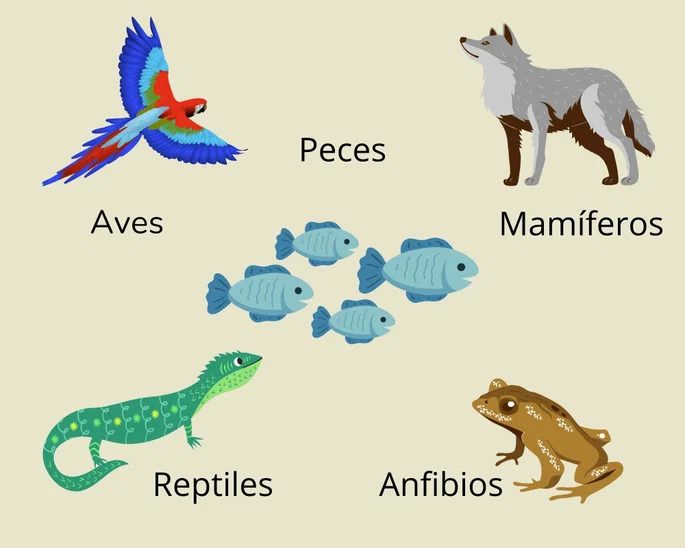
Vertebrates are animals with a backbone. It is the most basic biological divider in the animal kingdom. Without it, you are invertebrate. With it, you join fish, amphibians, reptiles, birds, and mammals.
The spine is not just a stick in the back. It is the central pillar of the entire skeletal system. It is made of vertebrae. These individual bones stack to create a column that is strong enough to support weight yet flexible enough to allow movement.
This structure does two critical things. First, it provides the frame for the body. Whether the skeleton is made of hard bone or flexible cartilage, the spine holds it all together. Second, and perhaps more importantly, it protects the spinal cord. This bundle of nerves runs directly through the vertebrae, acting as the main highway between the brain and the rest of the body.
The spine effectively splits the body into symmetrical halves. This bilateral symmetry is common among higher animals. It allows for coordinated movement. You can walk, swim, or fly because your central axis allows muscles to pull against a stable structure.
It is a simple design. One line of bones. Two outcomes: support and protection. Everything else is secondary.
The Vertebrate Blueprint: Why It Matters
You are looking at roughly 60,000 species. That number includes every living creature with a backbone and the extinct ones that walked, swam, or flew long before we were around. They are divided into five main classes: mammals, birds, reptiles, amphibians, and fish.
But here is the structural reality. These animals belong to the subphylum Vertebrata. It is one of three groups under the phylum Chordata. The definition is strict. To qualify, an organism must have possessed a notochord, a dorsal nerve tube, gills, and a tail at some point during its embryonic development. Even if you lose the gills as an adult, you had them once. That is the vertebrate signature.
When and Where Did They Emerge?
Estimates place the appearance of vertebrates at the start of the Cambrian period. That is approximately 530 million years ago. This falls squarely into the “Cambrian explosion.” A time marker for the sudden appearance of complex multicellular life.
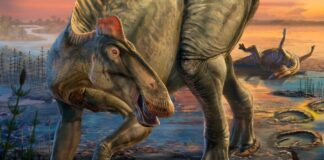
The oldest fossils tell a specific story. We are talking about Haikouichthys and Myllokunmingia. Both organisms had skulls. Both looked remarkably like fish. They originated in freshwater environments. But that was just the beginning. Adaptation pushed them out of the water and onto land. This evolutionary leap allowed vertebrates to dominate nearly every ecosystem on Earth.
Core Biological Features
What makes a vertebrate a vertebrate? It is not just the bone. It is a suite of coordinated systems.
The Support Structure
The skeleton and the vertebral column form the body’s axis. This structure protects internal organs. It shields the spinal cord and supports the musculature. The material varies. Some skeletons are bony, made of hard calcium deposits. Others are cartilaginous, flexible and resilient. Many are a hybrid of both.
The Command Center
The nervous system is directed by the brain. This allows for coordinated responses to external stimuli. Every part of the body connects to this central hub. The brain is almost always protected by a skull, which is part of that skeletal framework mentioned above.
Breathing Mechanics
Respiration differs by class. Most land-dwelling vertebrates—mammals, birds, and reptiles—use lungs. They pull oxygen from the air and expel carbon dioxide. Aquatic vertebrates, such as fish and amphibians, rely on gills. This process happens in water.
The Circulatory Loop
Most vertebrates possess a closed circulatory system. This means blood stays within vessels. A heart pumps this blood to organs and tissues. The efficiency of this loop supports higher metabolic rates and more active lifestyles.
Reproduction and Development
Sexual reproduction is the norm. Male and female gametes unite to form a zygote. This zygote develops into a offspring. There are exceptions. Some fish species reproduce asexually. Most vertebrates also have a gestation period inside the mother’s body or pass through a larval stage before reaching adulthood. Humans fit the first category. Many fish fit the second.
Temperature Regulation
This is where the split becomes visible. Vertebrates regulate body temperature in two distinct ways.
- Endotherms: Known as warm-blooded animals. These creatures maintain a constant internal temperature regardless of external factors. Their range usually sits between 34 °C and 38 °C. Mammals and birds fall into this group.
- Ectotherms: Known as cold-blooded animals. These species regulate their body temperature based on the environment. Reptiles, amphibians, and most fish are ectotherms.
The First Class: Mammals
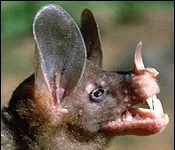
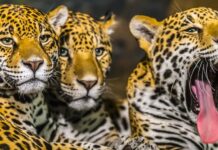
Mammals are defined by several key traits. They have hair or fur. They produce milk to feed their young. They are endothermic. The list continues.
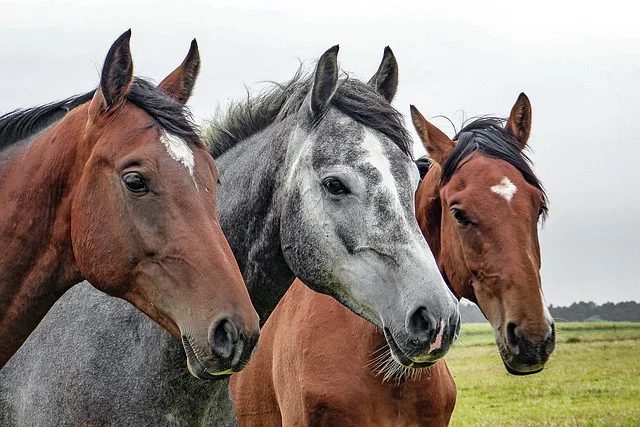
They are defined by mammary glands and belong to the taxonomic group Mammalia. That’s the starting line. But the list of defining traits goes deeper. They have hair. A jaw built around a dentary bone. And they are tetrapods, meaning four limbs.
The roster is familiar. Humans. Lions. Dolphins. Horses. Dogs. Even the ocean dwellers made the cut.
See also: Wild animals
Birds
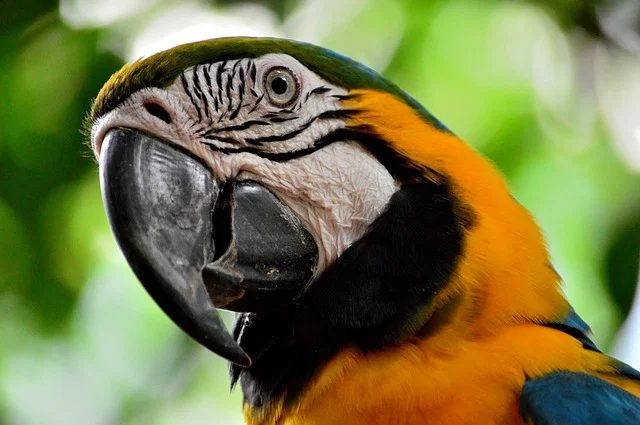
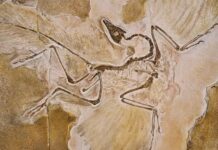
They are one of the most diverse groups we have, showing up in nearly every corner of the globe. There are roughly 10,000 recognized species of birds. They all fall under the taxonomic class Aves.
You know them by the feathers. Or the hollow bones. Maybe the toothless beaks. Most of them figured out how to fly. That is their main superpower. But not all of them use it.
Take the penguin or the ostrich. They stay grounded. Their front limbs evolved into wings, sure, but they often serve other purposes. The back legs do the heavy lifting for standing and walking.
Some names you definitely recognize. The eagle. The parrot. The hummingbird. The hawk. The pelican.
Reptiles
Anfibios: la transición imperfecta
Si los reptiles son los maestros del sol, los anfibios son los rehenes del agua. No es una metáfora. Su nombre lo dice todo: amphibia significa “doble vida”. Nacen en el líquido, respiran por branquias, y luego, con un golpe de destino biológico, desarrollan pulmones y patas para conquistar la tierra.
Pero la tierra es un lugar hostil para su piel.
A diferencia de los reptiles, que se blindaron con escamas de queratina para retener el agua, los anfibios eligieron un camino diferente. Su piel es fina, húmeda y, a menudo, viscosa. Esta permeabilidad les permite respirar a través de la superficie de su cuerpo, un truco biológico impresionante pero peligroso. Significa que nada puede pasar desapercibido. Los contaminantes entran. Las bacterias entran. El agua se escapa si hace calor.
Esto los condena a vivir en el borde. En charcos. En bosques húmedos. En la orilla de los ríos. No pueden alejarse mucho de la fuente de hidratación.
La transición no es solo física. Es reproductiva. La mayoría de los anfibios ponen huevos sin cáscara dura. Son como pequeñas bolsas de gelatinas. Sin la protección de una concha calcárea, estos huevos son vulnerables a la desecación. Por eso, casi siempre los depositan en el agua o en suelos extremadamente húmedos. Si el ambiente se seca, la próxima generación muere antes de nacer.
¿Por qué importa esto hoy?
Porque los anfibios son el sistema de alerta temprana de nuestro planeta. Al ser tan permeables, son los primeros en detectar cambios en la calidad del aire y del agua. Cuando las poblaciones de ranas, sapos y salamandras empiezan a declinar, no es solo una tragedia ecológica. Es un mensaje. Indica que algo anda mal en los ecosistemas que sostienen la vida, incluida la humana.
Además, su ciclo de vida los convierte en indicadores únicos. Dependen de dos mundos: el acuático para la reproducción y el terrestre para la alimentación adulta. Si uno de estos dos entornos colapsa, el anfibio desaparece. Es un eslabón débil, pero también uno de los más informativos sobre la salud de nuestro entorno.
No son tan robustos como los reptiles. No tienen esa armadura externa. Pero su fragilidad es, irónicamente, lo que los hace tan cruciales para entender los límites de la vida en la Tierra.
Amphibians: Skin, Jumps, and Radical Change
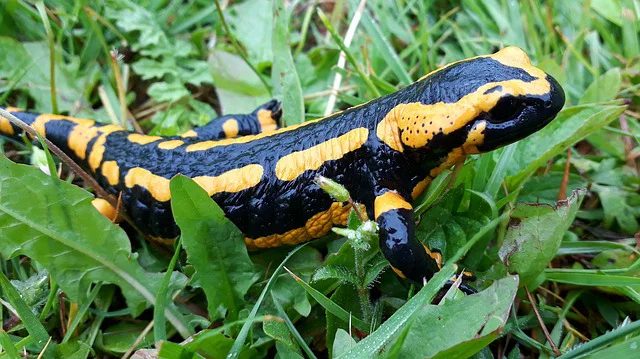
Vertebrates in this group breathe through moist skin. They pack serious muscle power into their bodies, a setup that allows them to move by jumping or swimming—or both. Some species do both with equal ease.
Metamorphosis is their defining trait. Many undergo radical structural changes from the time they hatch as larvae to their final adult form. It is a complete biological makeover.
Toads, salamanders, and newts are all amphibians. They share this unique life cycle and physiology.
Fish: The Ocean’s Majority
Fish represent the most diverse vertebrate group. Scientists have identified around 34,000 species. They live exclusively in water. The range is vast. From freshwater rivers to saltwater oceans, they occupy almost every aquatic niche.
Their bodies are streamlined for hydrodynamics. Gills handle their respiration. They are oviparous, meaning they reproduce via eggs.
Two major categories dominate the underwater world.
Osteichthyes: Bony Fish
Osteichthyes include all fish with a bony internal skeleton. While cartilage may exist in small parts, bone is the primary structure. They typically feature a terminal mouth with articulated dermal bones. Teeth sprout from these bones. Once these teeth fall out, they cannot be replaced. This limits their ability to regenerate key feeding tools.
The giant grouper and the scorpionfish are prime examples of bony fish. They rely on this rigid skeletal framework for speed and strength in complex reef or open-water environments.
Chondrichthyes: Cartilaginous Fish
Cartilaginous skeletons and the jawless exception
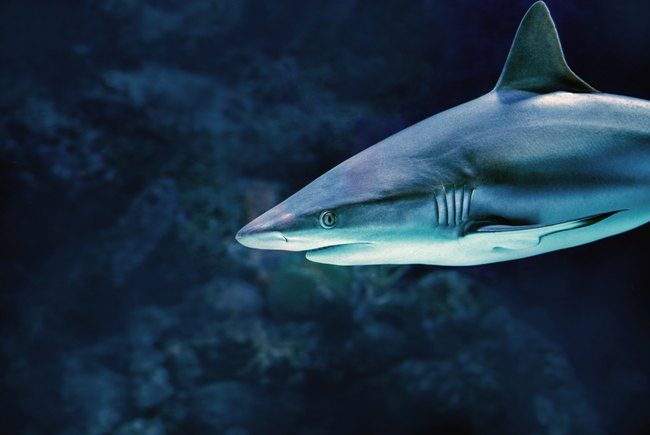
Most fish with internal skeletons rely on cartilage rather than bone. Sharks, rays, mantas, and chimaeras fall into this category. Their teeth aren’t fused to the jawbone. They shed worn teeth and grow new ones continuously. This adaptation matters for survival. Hard prey crushes teeth. Constant replacement keeps feeding efficient.
Agnatha represents a different evolutionary path.
These are jawless vertebrates. They lack the complex dental structures seen in cartilaginous fish. Their feeding mechanisms rely on suction or scraping. This ancient lineage survived while jawed fish diversified. Understanding Agnatha explains the roots of vertebrate evolution.
Ver también Animales Acuáticos.
The Jawless Outliers in Vertebrate Evolution
They are the vertebrates that never bothered with jaws.
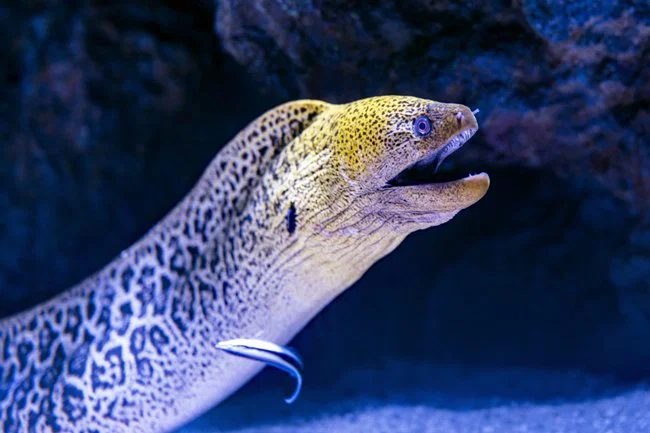
Think of an eel, but older. Older and weirder. These animals lack the hinged structures that allow most fish to bite, crush, or tear their food. Instead, they rely on suction. This anatomical limitation forces them into specific ecological niches: hematophagy (feeding on blood) and necrophagy (feeding on carrion).
Two distinct groups dominate this jawless landscape.
Lampreys and hagfish are the only surviving agnathans. They represent a lineage that split off before the evolution of the lower jaw.
When we look at the broader map of vertebrate life, these jawless anomalies sit quietly at the base of the tree. But the rest of the branches? They are defined by what they do have.
Mammals: The Warm-Blooded Caretakers
Mammals are defined by heat regulation and parental care. They keep their own temperature. They nurse their young. Most of them carry fur, though not all.
- Common Examples: Dog, cat, elephant, gorilla, bear, tiger, lion, zebra, giraffe, rhinoceros, dolphin.
Note the dolphin. It is a marine mammal. It breathes air. It is not a fish.
Birds: The Feathered Flyers
Flight is the obvious trait, but the blueprint is more complex. Feathers. Wings. Beaks. And eggs.
- Common Examples: Duck, eagle, owl, penguin, parrot, hummingbird, falcon, vulture, ostrich, sparrow.
Penguins don’t fly in the air, but they fly through water. The anatomy holds up.
Fish: The Gilled Swimmers
This group is defined by habitat and respiration. They live in water. They breathe through gills.
- Common Examples: Tuna, shark, ray, swordfish, grouper, trout, pufferfish.
This category is often misunderstood. Sharks are fish. Rays are fish. But again, avoid the mammal trap. Dolphins and whales are not here. They are air-breathers with hair (however sparse).
Reptiles: The Scaled Cold-Bloods
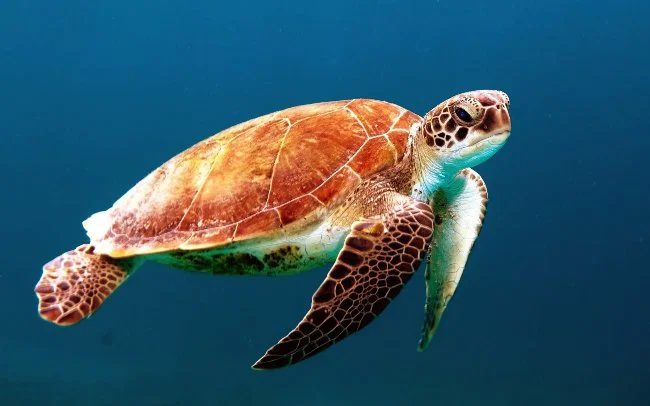
Temperature is external for reptiles. Their skin is a barrier. Scales provide protection and reduce water loss.
- Common Examples: Crocodile, alligator, lizard, iguana, turtle, gecko, Komodo dragon, chameleon, snake.
From the massive Komodo dragon to the tiny gecko, the scale covers all. The cold-blooded strategy works because they can regulate behavior to manage body heat.
Amphibians: The Dual-Life Transition
They live part of their life in water and part on land. The skin is the key. It is moist. It is permeable. They can breathe through it, especially when submerged or in humid environments.
- Common Examples: Frog, toad, axolotl, salamander, caecilian, newt, olm, algerine frog.
The axolotl is a standout here. It often retains its larval features throughout its entire life. It doesn’t always undergo full metamorph