


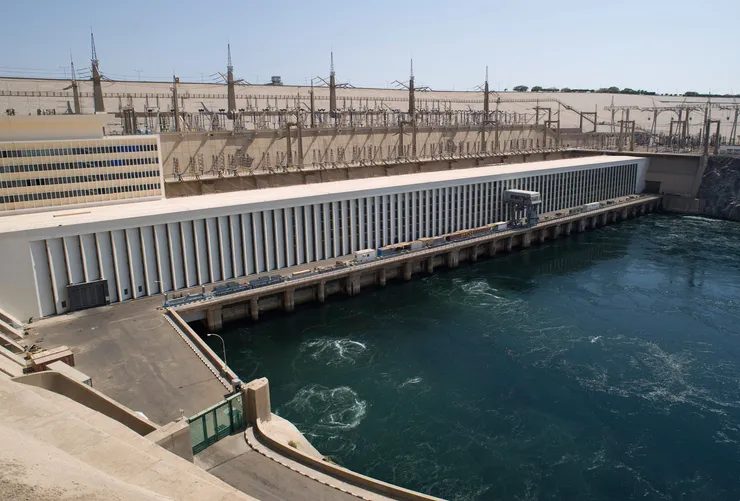
The Aswan High Dam isn’t just a wall of concrete. It’s a massive barrier across the Nile River, sitting just north of the city of Aswan in Egypt. You could call it the spine of the country’s modern infrastructure. The structure is huge. It towers 364 feet into the air. Its length stretches nearly 2.5 miles. But the real story isn’t the engineering. It’s the politics.
In 1956, the project was on the brink of collapse. The United States and Britain had promised to fund it. Then they pulled out. Why? Because President Gamal Abdel Nasser was playing a dangerous game. He was shifting allegiances. He recognized the People’s Republic of China. He nationalized the Suez Canal. The West didn’t like it. They withdrew their financial support overnight.
Nasser didn’t panic. He turned east.
The Soviet Union stepped in. They provided the money, the machinery, and the expertise. This pivot changed the geopolitical landscape of the Cold War in the Middle East. It also ensured the dam got built.
Taming the Annual Flood
The Aswan High Dam sits about 4 miles upstream from the old Aswan Dam, which dates back to 1902. The old dam could only hold back part of the flood. It couldn’t stop the Nile’s unpredictable nature. The High Dam changed that completely.
It creates Lake Nasser. This reservoir is enormous. It stores water during the high-flow months. It releases it slowly when the fields are dry. Farmers don’t have to worry about the annual flood anymore. They get a steady supply of water for irrigation. This stability transformed Egyptian agriculture. It allowed for multiple harvests per year. It reduced the risk of famine.
Powering a Nation
There’s another reason this dam matters. Electricity.
The facility generates massive amounts of hydroelectric power. It feeds into the national grid. It lights up homes. It runs factories. It powers the industries that Nasser wanted to build. Before the dam, energy was scarce. After it, Egypt had a reliable source of renewable power. That power became the engine for economic growth.
Saving Ancient History
The cost of this modernization was high. The rising waters of Lake Nasser threatened to swallow ancient monuments. The most famous victims were the Abu Simbel temples. These massive rock-cut structures date back to Pharaoh Ramses II. They were in danger of being submerged forever.
The solution was audacious. Engineers cut the temples into giant blocks. They moved them higher up the cliff. They reassembled them with precision. It was one of the greatest feats of archaeological rescue in history. The ruins are still there today. Visitors can still see them. But they stand now because of the High Dam.
Why It Still Matters
The Aswan High Dam is a symbol of what’s possible when technology meets determination. It showed that a developing nation could control its natural resources. It proved that political shifts could open new doors for infrastructure. It also highlighted the trade-offs involved in progress.
The dam changed the Nile. It changed the economy. It changed the culture. It remains a functional piece of infrastructure today. It continues to regulate the river. It continues to generate power. It continues to be a point of


