


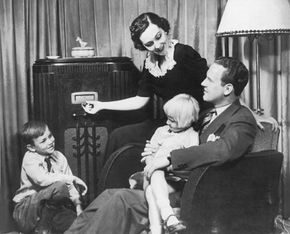
There’s a specific kind of comfort in logging off after a long day. You grab a snack. You kick off your shoes. You dive into YouTube, scroll through Facebook, or binge that season of Lost you queued up on the DVR. It’s passive. It’s easy. But before broadband and streaming, the routine was different. You didn’t have a menu of infinite choices. You sat down. You waited. You watched whatever the network scheduled for that night.
Before TV took over the living room, the family gathered around the radio. Kids sprinted home from school, not to log on, but to tune their homemade crystal sets. They needed the signal for Sky King or Little Orphan Annie. Adults settled in for The Shadow or The Cisco Kid. The airwaves were the internet before the internet.
The Amateur Broadcasters
It didn’t start as an industry. Before World War I, radio was a playground for hobbyists. They were testing the limits of a brand-new medium. Early broadcasts were rough. An operator would read news articles aloud. They’d give local weather updates. They’d recite poetry. They’d play phonograph records. It was experimental. It was amateur.
But it worked. Two early milestones stand out. Between 1906 and 1907, Reginald Fessenden broadcast from his transmitter in Massachusetts. He spoke. He played music. Around the same time, Lee de Forest sent phonograph records from a naval ship. These weren’t just technical demos. They were the first attempts to entertain a mass audience through the ether.
The Rise of the Mass Medium
Radio changed everything after WWI. It became the first true mass medium. It brought information and entertainment into homes across the United States. The Great Depression only made it more popular. Going out cost money. Radio was free. It tied listeners together. Whether they were in New York or Nebraska, they were listening to the same national events. They heard the same local news. They felt the same music.
This era, spanning the 1920s through the late 1950s, is what historians call the age of golden radio. It wasn’t just a trend. It was a cultural shift. The shows from that time spawned genres that still dominate television and podcasts today. The formats were invented then. The styles were set then.
What Defined the Golden Age?
The 1920s through the 1950s produced a flood of entertainment. Serial dramas. Comedies. News broadcasts. The structure of these shows created a blueprint for storytelling that we still use. If you’ve ever wondered how golden age radio programming shaped modern media, you’re looking at the source.
We’re going to break it down. We’ll look at the early days of broadcasting. We’ll unlock the mechanics of serial drama and comedy. We’ll trace the origins of soap operas. And we’ll see which of those old-timey radio habits survived the transition to television and the digital age.
Early Radio Programming: Who’s on First
The roots of this medium are messy. It wasn’t polished. It was alive. The amateurs who started it didn’t know they were building an empire. They just wanted to talk to people. To play a record. To be heard.
Radio was virtually free during the Depression. It tied listeners around the nation into national events without requiring they spend money on going out.
The technology improved. The content got better. The audience grew. By the time the 1920

Radio didn’t just appear out of thin air. Sure, the tech existed in the early 1900s, but it was a novelty until after World War I. Then, everything changed. Companies scrambled to build networks. They needed content to fill the static-filled airwaves. One of the first heavy hitters was the Radio Corporation of America (RCA). This wasn’t a startup. It was a joint venture formed by General Electric, AT&T, Wireless Specialty Apparatus Company, and Westinghouse. They needed reach. They needed scale.
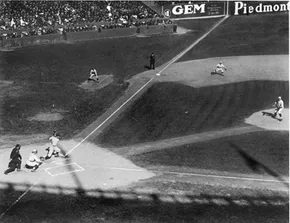
Individual stations, or affiliates, joined the fray. These were stations owned by individuals or other companies, distinct from the networks that aired the main programming. KDKA, WJZ, and WEAF in New York. WNAC in Boston. They looked for big hooks. Sports. Politics. The 1920 presidential returns marked KDKA’s real debut. Then came July 2, 1921. RCA broadcast the Jack Dempsey vs. George Carpenter heavyweight title fight. WJZ took the World Series. Live, raw, immediate.
But listeners weren’t just tuning in for results. They wanted entertainment. Radio executives knew that bigger crowds meant higher ad rates. So they started selling airtime. The model was simple. Networks provided free programming. Advertisers paid to run spots before or during the show. This was barter syndication. It worked, but it felt intrusive.
Groups tried to regulate the interruptions. The solution? Branding. The sponsor’s name became part of the show’s identity. “The A&P Gypsies” for Atlantic and Pacific Tea Company. “Texaco Star Theater.” “The Prudential Family Hour.” “Palmolive Beauty Box Theater.” You didn’t just watch the show. You bought into the brand.
The Vaudeville-to-Radio Pipeline
Stations tried everything. Odd news. Hours of jokes. Bedtime stories for insomniacs. They pulled from the theater. The symphony. Vaudeville. Out of that chaos, genres emerged.
Vaudeville acts crossed over easily. Fred Allen. Jack Benny. George Burns and Gracie Allen. Bud Abbott and Lou Costello. Milton Berle. Edgar Bergen. Wendell Hall. Gertrude Berg. These names became household words. But stage presence didn’t translate to audio. Radio variety shows had to adapt. They relied on music. Jokes. Skits. Stereotypes. Anything that painted a picture in the listener’s mind.
The format was rigid. Open with a musical number. Cut to a funny monologue or dialog. More music. Then a comedy skit, often with a guest star. More music. A short closing bit with the guest before the hosts signed off. It was formulaic. It was effective.
Why Serials Changed the Game
Variety shows grew. They got popular. But audiences were fickle. Listeners would tune in for a guest star and then switch off when the guest left. Networks hated that. They wanted loyalty. They wanted predictable advertising revenue.
So they stopped trying to entertain. They started trying to trap.
They turned to the serial.
Unforgettable Moments That Defined the Medium
Radio wasn’t just background noise. It was history. Here are the moments that proved its power.
- 1925 : Calvin Coolidge becomes the first president inaugurated live on radio.
- 1937 : The Hindenburg disaster. Live broadcast. The horror was audible.
- 1938 : Orson Welles’ Mercury Theater of the Air reads The War of the Worlds. It sounds so real. Thousands panic, thinking Martians are actually invading.
- 1941 : Pearl Harbor. A reporter in Honolulu phones a New York station. The call goes nationwide. Live.
These weren’t just events. They were shared experiences. But the real engine of radio wasn’t news. It was obsession.
Serial Radio Dramas and Situational Comedies
The variety show was a party. The serial was a trap. And people couldn’t look away.

The Architecture of the Hourly
Radio didn’t just entertain; it engineered addiction. Serials and sitcoms both ran on a psychological hook: the centralized character. But how they used that character differed based on who they wanted to keep you listening to.
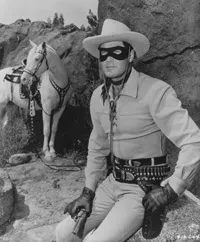
Action heroes were aspirational. They were avengers. Think The Shadow or the Lone Ranger. You didn’t relate to them. You looked up to them. They were the clean-cut guardians against evil. The Cisco Kid fit here too, a figure of legend rather than reality.
Then there were the soap operas and the comedies. The central characters were regular folks. Neighbors. Imagined relatives. You knew them. You felt like you could call on them. That was the trick. Relatability kept the dial from changing.
The 15-Minute Formula
Most of these shows clocked in at fifteen minutes. Tight. No room for fluff. They followed a script so consistent it felt like a ritual.
For the dramas, the loop was simple. A hero quests for justice. A sidekick helps. Evil gets avenged. Wrongs get righted. Each episode presented a new mystery or adventure. The resolution always landed on a cliff-hanger. A suspenseful beat that forced you to wait a full week for the next installment.
Take The Lone Ranger. The pattern never broke. The hero rides off into the sunset on his horse. A bystander turns to another and asks, “Who was that masked man?” The reply: “I don’t know, but he left behind this silver bullet.”
It wasn’t just a tagline. It was a signature. A brand identity stamped on every episode.
The Comedy Misfire
Situational comedies flipped the script. Or rather, they flipped the embarrassment.
The formula centered on a family or a pair of friends. But the central character? They were usually in the doghouse. Misjudging a situation. Making a stupid mistake. Facing public humiliation.
The humor came from the relatability of failure. You weren’t watching a hero save the day. You were watching someone trip over their own feet. And in that stumble, you found the connection. The shared laugh. The reason to tune back in next week.
One approach built legends. The other built communities. Both kept the radio waves full.
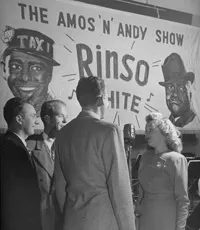

Radio was the heartbeat of American entertainment during the massive immigration waves of the early 20th century, and audiences had a specific craving: stories that reflected their own ethnic roots. The problem? Those stories often relied on heavy-handed stereotypes. Nowhere was this more evident than in Amos ‘n’ Andy, a program so ubiquitous it became the benchmark for radio popularity.
The show’s origins trace back to 1926 as Sam ‘n’ Henry. It didn’t just run; it persisted. From nightly broadcasts to syndication, it stayed on the air until 1960. The premise was simple enough: two Black men trying to keep a one-car taxi business afloat. But the execution was fraught with controversy. Written and performed by white vaudeville veterans Freeman Gosden and Charles Correll, the show was widely criticized by scholars and the public alike for its caricatured depiction of Black life.
When television arrived, the show made a brief transition. Black actors were finally cast to play Amos and Andy, attempting to shed the whiteface past. It didn’t save it. The controversy caught up with the program quickly, and it was pulled from the air after only a short stint on television.
The Jewish Home Front: The Goldbergs
If Amos ‘n’ Andy represented the problematic edge of ethnic comedy, The Goldbergs offered a warmer, though still distinctly ethnic, perspective. Created by Gertrude Berg, the show was an extension of her 1925 vaudeville act. It focused on the domestic life of Molly and Jake Goldberg, Jewish immigrants navigating the complexities of the American neighborhood.
Molly was the anchor. She dealt with family drama, neighborly disputes, and daily struggles, often dishing out advice, recipes, and plenty of homespun Yiddish humor. It wasn’t just a radio hit; it became the first television sitcom, paving the way for a wave of ethnic comedies in the early TV years. For millions of listeners and viewers, it offered a glimpse into a community that felt both foreign and familiar.
The Radio Soap Opera
As the medium evolved, producers realized that women were a loyal, untapped demographic for serialized storytelling. This led to the creation of the soap opera, a genre designed specifically for and by women.
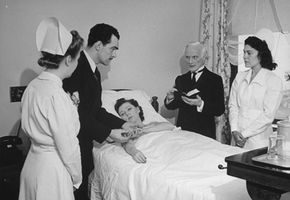

The formula was simple but effective. Radio soaps were designed to hook listeners and keep them tuning in. Each episode lasted about 15 minutes. The focus rested on a core group of recurring characters. Unlike serial dramas, which wrapped up story arcs within a single episode, soaps stretched narratives across multiple installments. They layered in subplots and new conflicts to maintain momentum. Crucially, these shows were the first to explicitly target female listeners.
Irna Phillips knew how to play that demographic. Before her writing career took off, she worked as an actress and voice-over artist. WGN executives approached her with a specific request: create a daily 15-minute show for women, centered on a family dynamic. Phillips delivered. She built a narrative around an Irish-American widow and her unmarried daughter.
“Painted Dreams,” widely considered the first true radio soap opera, premiered in October 1930. The term “soap opera” didn’t come from Phillips, though. The press invented it. “Soap” referred to the primary sponsors of the time. Laundry detergents and facial soaps were the biggest advertisers, bankrolling the slots.
Phillips didn’t just create the format. She invented the mechanics that still define the genre. She introduced the cliff-hanger, ending each episode with a suspenseful situation to ensure listeners returned the next day. She used music to bridge scene transitions. She deliberately slowed the pacing. The goal? To allow women to listen while managing household chores without needing to pay rapt, uninterrupted attention. Miss a line? It didn’t matter. The next episode would catch you up.
According to the Museum of Broadcast Communications, Phillips went on to produce nine other radio soaps. Her most famous creation, The Guiding Light, endured for a combined 70 years across both radio and television. That longevity is staggering.
The format exploded in popularity. By 1941, soap operas had supplanted almost all other daytime programming. Nine out of every ten network-sponsored daytime radio shows were soaps. This dominance wasn’t just Phillips. Anne Hummert was another early pioneer. She created The Stolen Husband in 1931. Like Phillips, Hummert popularized plot devices that are now television staples: amnesia, blackmail, exotic diseases, long-lost loves, and murder trials. She even established the tradition of Friday episode cliff-hangers.
Did video really kill the radio star? The answer lies in how these shows survived the transition.
Behind the Box
Putting a radio show on the air required a small army. You had producers, directors, writers, and cast members, of course. But the magic happened thanks to the crew working behind the scenes.
- The announcer opened the show. They read a recap of the previous episode to jog listeners’ memories, then set the stage for the current storyline.
- The organist or orchestra provided the thematic score. They played small musical cues to underscore transitions or heighten the tension of a cliff-hanger.
- The sound effects technician built the auditory world. Need the sound of a car starting? A door shutting? A horse galloping into the sunset? They created it live. They used a variety of props, including a crashbox —a box filled with glass, rocks, or metal to simulate crashes or falling debris.
- The supporting cast handled the background. These were extras or minimally recurring characters who filled out the scene without driving the plot.
- The sponsor was the financial engine. They bought airtime to run ads or lent their brand name to the title itself.
Old-time Radio Shows of Today

Television stole the spotlight in the 1950s. Shows vanished. Networks panicked. But radio didn’t die. It changed.
The medium underwent a metamorphosis, shedding its skin to survive. You have to look at the American teenager of that era to understand why. Cars. Suburbs. And a new device that fit in a pocket.
These three factors kept radio viable. They turned it from a living-room anchor into a mobile companion.
The Car, The Suburb, and The Portable
Cruising became a cultural ritual. Teens drove around with the windows down and the radio blasting. Disc jockeys became local heroes. Music shows weren’t just broadcasts; they were soundtracks to youth.
Commuters moving from the exploding suburbs into city centers needed company. The radio provided it. It was background noise for the daily grind.
Then there was the portable radio. It was small. It was cheap. It meant you could tune in at the beach. On the street. In the backyard. You weren’t tied to the console anymore. Radio became personal.
Survivors of the Golden Age
The golden age didn’t end abruptly. Many shows aired into the later decades. Some faded. Others evolved.
- The CBS Radio Mystery Theater (1974–1982): It brought back the suspense format of the old days. Listeners tuned in for clues and chills.
- Earplay (1972–c. 2002): Later known as NPR Playhouse. It gained fame for airing George Lucas’ Star Wars radio dramas in 1981. High-budget sci-fi for the ears.
- This American Life (1995–Present): Created with a simple premise: one theme per episode. A variety of stories under that banner. It still airs on radio. It has a TV version. It proves the format works.
- This I Believe: Revived in 2005 by NPR. It took the concept from Edward R. Murrow’s 1950s show. Now it posts essays online. It offers podcasts. It adapted.
Modern Radio Theater Groups
The art of radio theater didn’t disappear. New groups picked up the torch. They perform live. They release podcasts. They air on XM and satellite radio. They record albums.
- The Atlanta Radio Theatre Company: Performing since 1984. They stick to the old-time radio tradition.
- Dry Smoke and Whisperers Holodio Theatre: Over 23 years in the game. They focus on mystery and science fiction.
- The Texas Radio Theater Company: Formed in 2001. They recreate the variety programs of the past.
- The Willamette Radio Workshop: Based in Portland, Oregon. They produce original content and recreate old shows.
A Prairie Home Companion and the Legacy
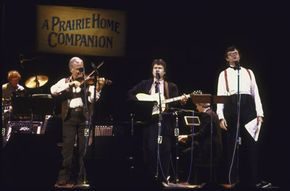
If you want one example of this survival, look at Minnesota Public Radio’s A Prairie Home Companion.
It’s arguably the most popular radio show still in existence.
Host Garrison Keillor was deliberate. He didn’t just make a comedy show. He rebuilt the early radio variety show format. He wanted audiences to feel what it was like in the 1930s or 40s.
He used the sound effects. The live music. The comedic sketches. The tone.
But he updated the model. Old shows had mandatory sponsors. Keillor invented fictitious ones. “Lawnboy Larry.” “Guitar Boy.” It was amusing. It was controlled.
The show launched in 1974. It ran for 13 years. Then it stopped.
Keillor took a five-year hiatus. He came back in 1993. He kept the style alive. Millions of fans still tune in.
If you want to experience it, check your local listings. Grab a snack. Put your feet up. Close your eyes.
Just listen.
The technology changes. The platforms shift. But the need to hear a voice in the dark? That stays.
Related Articles
- How Radio Works
- How the Radio Spectrum Works
- How Ham Radio Works
- How HD Radio Works
- How Sitcoms Work
- Why do all FM radio stations end in an odd number?
- Why do you hear some radio stations better at night than the day?
More Great Links
- National Public Radio
- A Prairie Home Companion
Sources
- Cox, Jim. “The great radio sitcoms” Jefferson, N.C.: McFarland. 2007
- Cox, Jim. “Say Goodnight, Gracie: The Last Years of Network Radio” McFarland: London. 2002
- Harmon, Jim. “The great radio heroes.” Jefferson, N.C.: McFarland. 2001
- Reinehr, Robert C. & Jon D. Swartz. “Historical Dictionary of Old Time Radio.” Scarecrow Press, Maryland. 2008
- Richter, William A. “Radio: A Complete Guide to the Industry” Peter Lang Publishing, New York. 2006
- Taylor, Glenhall. “Before television: the radio years” South Brunswick [N.J.]: Barnes. 1979
- Franklin D. Roosevelt Library and Museum. http://www.fdrlibrary.marist.edu
- The Mercury Theater On The Air http://www.mercurytheatre.info/
- The Museum of Broadcast Communications (MBC) http://www.museum.tv/
- The Paley Center of Media http://www.mtr.org/
- A Prairie Home Companion http://prairiehome.publicradio.org/
- Paley Center, She Made It program. http://www.shemadeit.org/
- This American Life. http://www.thisamericanlife.org/
- This I Believe http://thisibelieve.org/

