


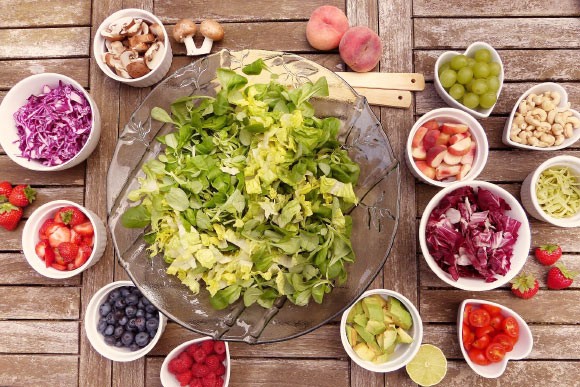
Humble vegetables. Outsize impact. That’s the takeaway from a new look at the Raine Study data from Western Australia. It suggests that legumes and cruciferous greens aren’t just filling up your plate, they’re potentially shielding young adults from early cardiometabolic disaster. But here’s the catch, it doesn’t work the same for everyone. The benefits split sharply along gender lines.
Not all vegetables are created equal for heart health. That should come as no shock, really. While we’ve long known veggies are good, specific types show significantly stronger associations with better health outcomes. Most research, though, has ignored young adults. Why skip the generation just hitting their twenties? That’s when these risk factors usually start creeping in, quietly setting the stage for trouble decades later.
Dr. Lauren Blekkenhorst from Edith Cowan University put it plainly, your choices matter. Eat these veggies daily and you might live longer, certainly better. She and her team dug into the history of 638 participants from the Raine Study. This group has been tracked since before they were born, making them a goldmine of data.
At age twenty-two, these participants didn’t just chat about their diet. They completed detailed questionnaires. Then they got tested. Blood pressure. Waist circumference. Cholesterol. Triglycerides. Blood sugar. These markers flag the risk of metabolic syndrome. It’s a cluster of conditions. The kind that raises the odds of diabetes and heart disease down the line. Roughly twenty percent of the group fell into a high-risk bucket, carrying two or more red flags.
“Therese O’Sullivan,” another researcher, pointed out the troubling timeline. These risks are showing up earlier than expected. Too early for most people to think about.
So, the team broke down the veggie intake. Alliums, greens, leafy types, yellow-orange-red, legumes, cruciferous. Patterns emerged. Clear ones, dictated by sex.
Look at the men. Low-risk men ate way more legumes than their high-risk peers. We’re talking peas, beans, lentils. When you adjust for income, smoking, booze, education and other food factors, the numbers pop. One extra 75-gram serving a day of legumes dropped the odds of being high-risk by seventy-two percent. Seventy-two percent is no small margin. It’s massive.
Then there were the women. Cruciferous vegetables did the heavy lifting for them. Broccoli. Cauliflower. Cabbage. Brussels sprouts. Those bitter greens. Women with lower cardiometabolic risk ate more of this lot. Each additional serving cut their odds of high risk by eighty-five percent, after adjustments.
Did they eat more green leafy veg? Yes, in the low-risk group. But when other factors were accounted for, that relationship faded. It didn’t hold water.
“It’s not just about piling onto greens,” Dr. Neal McNamara said.
He’s right. The sex-based differences were stark. Beans for men. Broccoli for women. Simple.
“Our findings suggest that men and women process some plant compounds differently,” O’Sullivan added, offering a biological reason.
Testosterone might react more to legumes. Estrogen and progesterone could respond to cruciferous veggies. Nature seems to have separate instruction manuals, at least for how our bodies handle certain nutrients.
The paper appears in Nutrition, Metabolism and Cardiovascular Issues in August 2026, well past the current date, hinting at the futuristic timeline of the source text’s citation.
Neal McNamara et al, 2026
What happens next? Maybe we start stocking our kitchens accordingly. Or maybe we just eat more veg. Either way, the data doesn’t lie.


