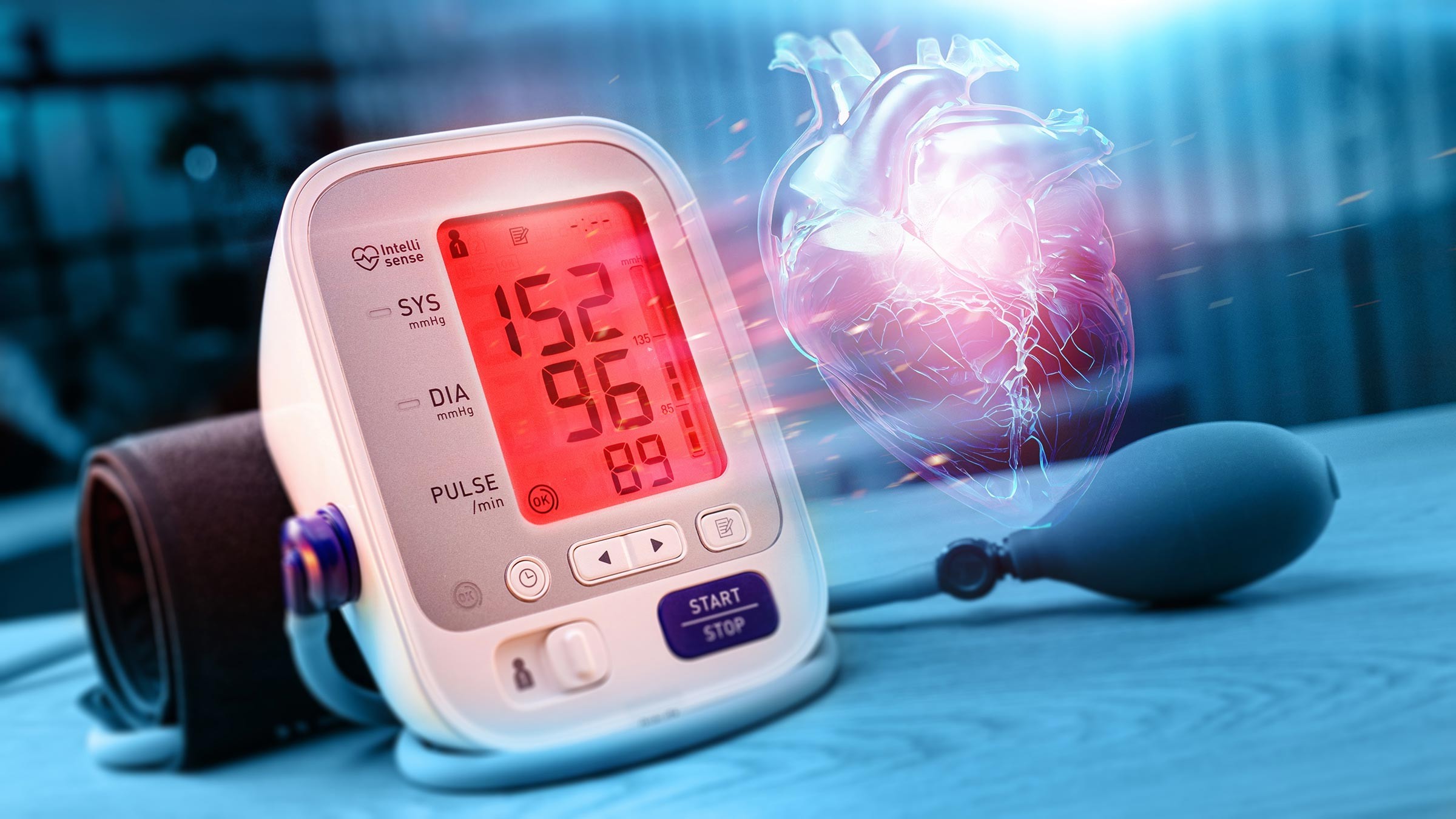
A routine blood pressure check at the doctor’s office may not be as reliable as you think. Research from Johns Hopkins Medicine reveals that how you position your arm during the test can significantly alter the results, potentially leading to incorrect diagnoses of hypertension.
This is not just a minor technicality. High blood pressure is a leading cause of heart disease, stroke, and kidney failure worldwide. Misdiagnosing it—either by missing it or falsely identifying it—can have serious long-term health consequences. The study, published in JAMA Internal Medicine, highlights that even small deviations from standard positioning can push patients into higher risk categories, changing their treatment plans unnecessarily.
The Hidden Cost of Poor Positioning
The study examined adults aged 18 to 80 to see how different arm positions affected blood pressure readings compared to the guideline-recommended method: supporting the arm on a desk at heart level.
Researchers compared this standard against two common real-world habits:
1. Resting the arm in the lap.
2. Letting the arm hang unsupported at the side.
The results showed that improper positioning consistently inflated readings:
- Arm on Lap: Systolic pressure rose by an average of 3.9 mmHg, and diastolic pressure increased by 4.0 mmHg.
- Arm Hanging Unsupported: Systolic pressure climbed by 6.5 mmHg, and diastolic pressure increased by 4.4 mmHg.
While these numbers may seem small, they carry significant clinical weight. A difference of just a few points can determine whether a patient is classified as healthy, pre-hypertensive, or suffering from Stage 2 hypertension.
“If you are consistently measuring blood pressure with an unsupported arm… that’s a potential difference between a systolic BP of 123 and 130, or 133 and 140, which is considered stage 2 hypertension,” said Sherry Liu, M.H.S., a study author and epidemiology research coordinator at the Johns Hopkins Bloomberg School of Public Health.
Why This Matters for Patient Care
Hypertension affects nearly half of U.S. adults, yet it is often called the “silent killer” because symptoms rarely appear until significant damage has occurred. Accurate screening is therefore critical.
Doctors have long known that factors like talking during the test, crossing legs, or using the wrong cuff size can distort results. This study adds arm position to that list of overlooked variables. The trial was designed to mimic a typical clinic visit: participants emptied their bladders, walked briefly, and then sat quietly with backs supported and feet flat.
The study included 133 adults in Baltimore, representing a diverse mix of ages and health backgrounds, including those with obesity and existing high blood pressure. Crucially, the pattern of inflated readings remained consistent across all groups, meaning no demographic is immune to this error.
A Widespread Problem in Clinics and Homes
The issue is pervasive because many clinics do not strictly enforce measurement guidelines. Patients are often seated on exam tables without armrests, forcing them to rest their arms in their laps or let them dangle. In some cases, healthcare workers hold the patient’s arm, which can also compromise positioning.
The standard recommendation is simple but often ignored:
* Sit upright in a chair.
* Keep feet flat on the floor and legs uncrossed.
* Rest the arm on a desk or table so the cuff is at heart level.
This problem extends beyond medical offices. Millions of people use home blood pressure monitors, often while sitting on couches or reclining. Inaccurate home readings can create unnecessary anxiety or lead patients to believe their medication is ineffective when, in fact, the measurement technique was flawed.
Streamlining Accurate Screening
Following the initial findings, the researchers conducted a broader review to see if blood pressure checks could be made faster without sacrificing accuracy. They found that some guideline steps, such as long rest periods, could potentially be shortened.
However, they emphasized that proper cuff sizing, correct posture, and supported arm positioning remain non-negotiable. Mistakes in these areas introduce significant errors that no amount of speed can fix.
By adopting a faster, evidence-based approach that prioritizes correct positioning, clinics could screen more patients efficiently while avoiding the diagnostic errors caused by simple mechanical mistakes.
Conclusion
Accurate blood pressure measurement is foundational to preventive healthcare. While technology and guidelines evolve, the fundamental principle remains: position matters. Ensuring your arm is supported at heart level during every check—whether at the doctor’s office or at home—is a simple step that can prevent misdiagnosis and ensure you receive the correct care.