A recent assessment by the Office for Environmental Protection (OEP) has issued a stark warning: the current regulatory framework for managing agricultural pollution is insufficient to protect Northern Ireland’s water quality. While the 2019 Nutrients Action Programme (NAP) has seen some success, the watchdog concludes that without “significant change,” the program will fail to meet essential environmental targets for air, water, and land.
The Core of the Crisis: Nutrient Run-off
The primary driver behind this regulatory review is the rising level of nutrient pollution in vital water bodies. This issue is closely linked to how the modern agri-food industry operates:
- Import Dependency: The industry has become heavily reliant on millions of tonnes of imported animal feed and fertilizers.
- Excess Nutrients: These imports often provide more nutrients than crops and animals actually require.
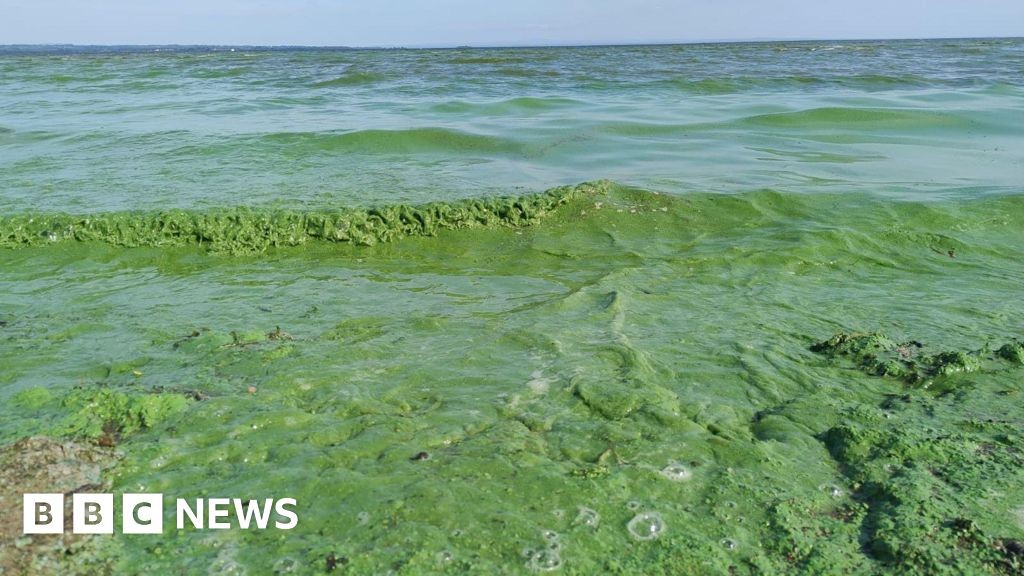
- Environmental Impact: The surplus leads to agricultural run-off, which triggers blue-green algal blooms —most notably in Lough Neagh—and destroys sensitive natural habitats.
The OEP emphasizes that because the agri-food sector is a major contributor to this pollution, it must also be a primary driver of the solutions.
Gaps in the Current Framework
The OEP’s review of the NAP identified several “legal uncertainties” and regulatory gaps that hinder effective environmental management. To address these, the watchdog has proposed 12 key recommendations, including:
- Enhanced Oversight: Increasing the frequency of farm inspections to ensure compliance.
- Technical Support: Providing better advice and practical assistance to farmers to help them transition to cleaner methods.
- Climate Resilience: Future-proofing regulations to account for the unpredictable weather patterns caused by climate change.
- Stricter Sanctions: While acknowledging that fines may have a limited deterrent effect, the OEP insists that both civil and criminal sanctions must remain available to deal with serious pollution incidents.
“Failing to invest in what needs to be done today is just borrowing from the next generation,” warned OEP Chief Scientist Robbie McDonald.
A Balancing Act: Environment vs. Economy
The findings have sparked a debate regarding the practical implementation of these much-needed changes. While Agriculture Minister Andrew Muir has labeled water quality a “top priority,” farming representatives are urging caution.
John McLenaghan, Deputy President of the Ulster Farmers’ Union, argues that environmental policy cannot be developed in a vacuum. He highlights a critical tension in the current discourse:
- Economic Reality: Policy must account for the viability of local food production and the survival of rural communities.
- Shared Responsibility: Farming leaders argue that water quality is a systemic issue and that all sectors of society, not just agriculture, must contribute to the solution.
What Happens Next?
The Nutrients Action Programme, originally launched in 2007, is currently undergoing a period of intense revision. The government is expected to launch a public consultation on the revised proposals in the coming weeks, with the final, updated regulatory framework slated for publication in 2026.
Conclusion
The OEP’s report highlights a critical crossroads for Northern Ireland: the need to strengthen agricultural regulations to prevent ecological collapse, while simultaneously ensuring that these changes do not undermine the economic stability of the farming community.