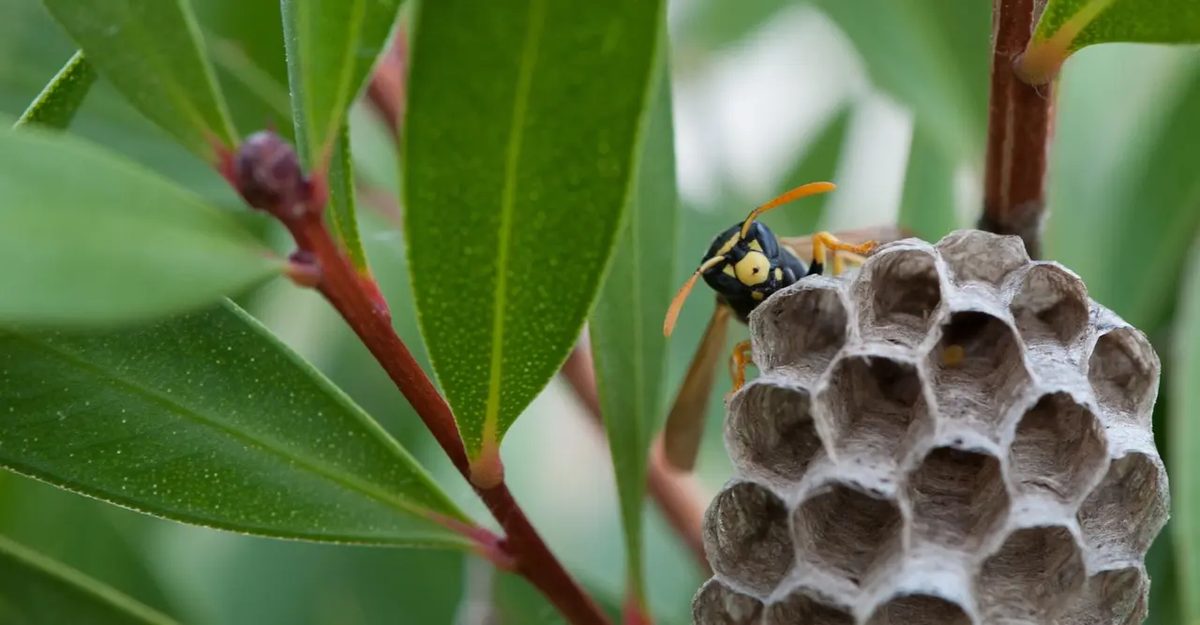
Usually people look at the wasp from the side. The sting is the main attraction there, a stark reminder of why we keep our picnic blankets away from them. Utility? It’s a hard sell. The word itself is chaotic. It does not indicate a particular branch in the scientific tree. It is a colloquial collective term for a bucket for the huge suborder of Hymenoptera insects. But if you look closely, the picture cracks. You have social wasps building paper cities in your eaves. Then there are solitary wasps that live a completely different life underground or in walls.
Individual wasps don’t make nest building drama. They don’t chew wood pulp into architectural wonders. Instead, they dig. You may notice a small pile of dirt on the lawn. This is not a mole hill. It’s the entrance to the tunnel. The wasp digs a gallery directly into the ground and creates individual cells for its offspring. She lays an egg. She packs it with food. She seals the deal.
Sometimes they are smart with real estate. You will find window air conditioners leaking holes. Condensation drips there and forms a damp space. The wasp sees the perfect nursery. She moves in. She builds a plug that clogs the pipe and turns the HVAC drain into a maggot chamber.
That sounds annoying. And that’s it, if you’re trying to keep your window sash sliding smooth. But here’s the twist. The same solitary wasps become a serious weapon in pest control. Farmers and gardeners actively use them. Why? Because they are natural parasites. They don’t just hunt; hijack. A female wasp finds a harmful insect, such as a caterpillar or beetle larva, and lays her egg inside it. Her baby eats the pest from the inside out. It’s biological warfare waged by a single, stealthy insect that prefers dirt to drama.
The quiet efficiency of lone hunters
It’s not just about avoiding the sting. It’s about recognizing that the “pest” you fear may be doing more good than harm. Social wasps are obvious. You see the colony. You see the aggression. Individual wasps? They operate in secret. They are precision instruments.
The tendency to use them for biological control is increasing. They target specific nuisances. No broad spectrum pesticides. No chemical runoff. Just a wasp, a hole and a hungry larva. It’s a simpler solution buried under a pile of dirt, waiting to do its job.
So the next time you see a little hill in the grass, pause. Don’t just kick it. Take a closer look. This could be the entrance to the nursery that will silently eat the bugs that are ruining your tomatoes. It’s not about liking the wasp. It’s about respecting the system. A system that works underground, far from the picnic basket, and does the heavy lifting that chemicals can’t match.
The classification is unclear. The name is common. But the function? It’s crystal clear. They are the garden’s immune system, invisible and efficient. We just have to learn to stop fighting them.
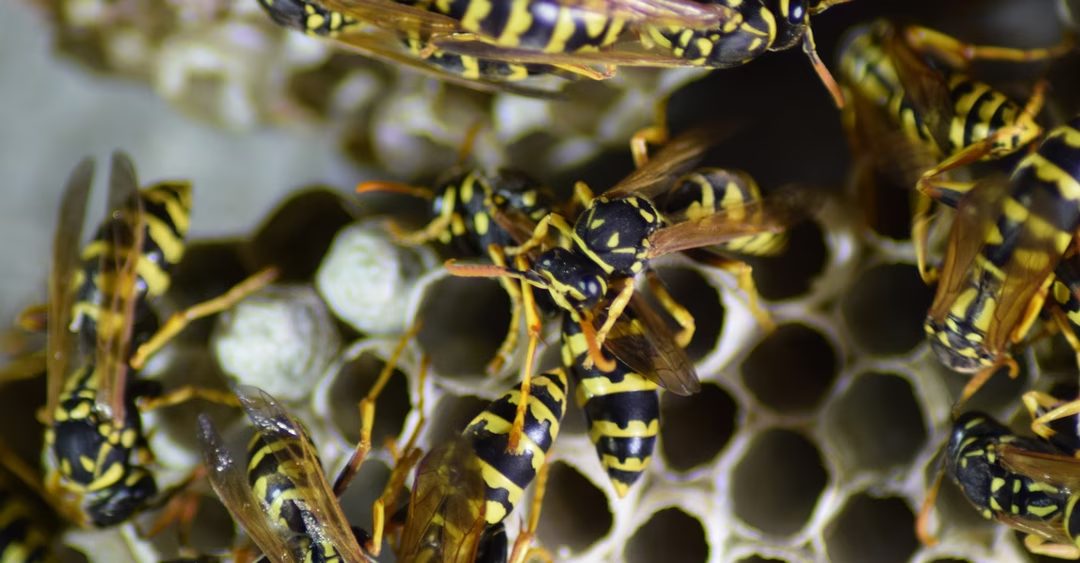
Social wasps are essentially builders, but their building materials are much more organic than human engineering. From spring to late summer, these insects make their own version of papier-mâché. The process begins with them using their mandibles to scrape off pieces of bark, stump or wood. They tear off plant fibers, which then mix with their saliva to form a papery paste.
Back at the nest, they spread this mixture in thin, papery layers. They don’t just slap it on; They use their jaws to align the fibers in parallel. Why the precision? To maximize structural integrity. The resulting walls are light, insulating and breathable – qualities that are especially useful in the summer heat. But there is a catch. These nests are fragile. They only last a year. In autumn or at the latest when winter comes, the weather conditions can destroy them quickly. The colony dies and the structure breaks down. Every new spring requires a new beginning.
Why killing wasps is a bad idea
The immediate reaction of most people who find a wasp nest is destruction. It is a dangerous impulse for two reasons: it threatens biodiversity and it ignores the ecological role of these insects. Like European honeybees and hornets, wasps are vital to the environment. They pollinate plants and act as natural pest control by keeping fly and mosquito populations under control. They also help to clean and clear the gardens.
Removing them is not only harmful; it is unnecessary. The goal should be avoidance. Wasps sting when they feel threatened. If you encounter a swarm, do not make sudden movements or try to hit them. A sudden disturbance triggers a defense mechanism that causes them to attack and chase you away. They react to perceived danger, not aggression.
Natural repellents to repel wasps
If you have a wasp near your home, you can encourage it to leave without killing it or risking a sting. Here are two simple, non-lethal methods:
- Burn ground coffee: Put the ground coffee in a small cup and light it on fire. The smoke acts as a deterrent.
- Spray essential oils: Mix 10 drops of lavender or citronella essential oil with 10 cl of water in a spray bottle. Spray the area around the nest or entry points.
These methods rely on smell and smoke, which makes the place unpleasant for the wasps and causes them to move elsewhere. It is a way of living together without conflict. The nest may be gone in the winter anyway, but for now it’s safer for you and the ecosystem to leave them alone – or gently steer them away.