


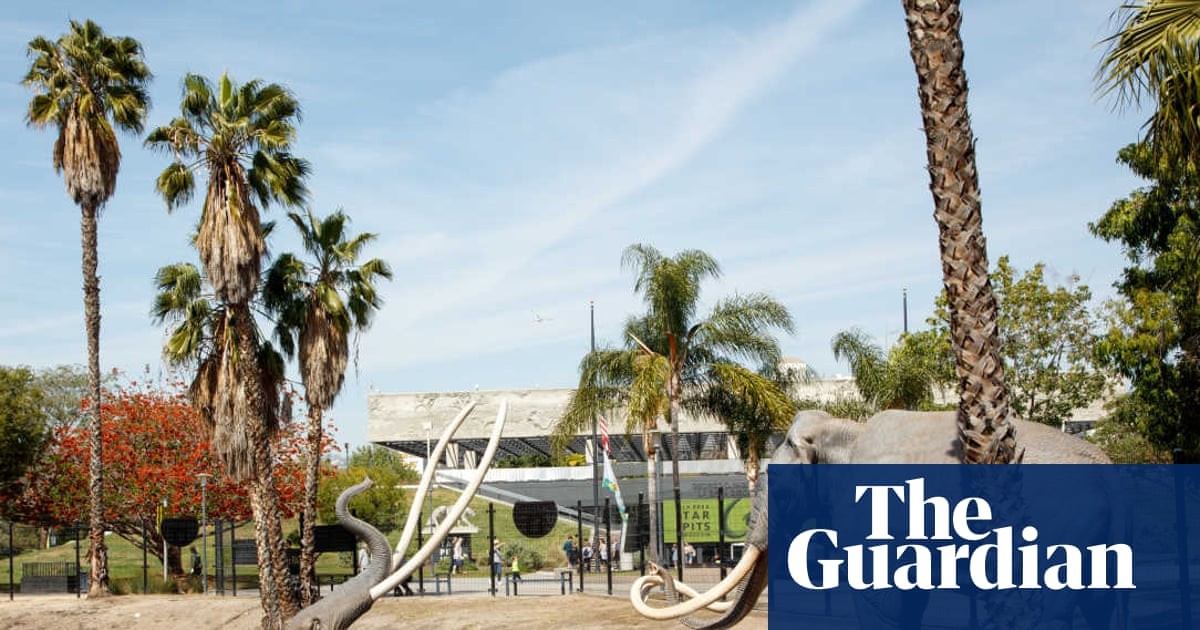
You probably know the Getty. You definitely know LACMA. But buried under the concrete sprawl of central Los Angeles, something far older waits.
The La Brea Tar Pits.
It isn’t just a tourist stop. It is one of the most significant fossil sites on Earth. Two million years of ice age debris sits here. Mastodons. Saber-toothed cats. All stuck in the same sticky trap that bubbles up from the earth even today.
Since 1977 the museum has hosted everyone from school kids to hardened academics. People come to see the dark, water-filled Lake Pit. There they gaze at fiberglass mammoths looking helpless against the asphalt fate. It is the only urban ice age excavation site in the world. Active. Digging.
“It’s like Pompeii, but in themiddle of a massive city,” Emily Lindsey says.
Lindsey is the museum’s excavation site director. She likes to emphasize the scale. For over a century, humans have been studying this place on a grand scale. The variety of fossils? Unmatched. The preservation quality? Incredible.
But things are about to change.
The museum closes this July.
Why? A twenty-four million dollar renovation. It will last two years. When it opens, the space won’t look like it does now.
Digging Up the Design
The current structure is modest. It hides behind grassy mounds. The footprint stays the same, mostly. But inside, everything gets a rethink. Exhibits, labs, learning spaces—all reimagined. Outside, the park gets new bridges. Walkways. Landscape features meant to pull people in.
This wasn’t a last-minute panic. The Natural History Museums of LA started the public process in 2019. They wanted community input. Lots of it. By 2023, a design contest ended with Weiss/Manfredi winning the contract. The New York firm knows parks. They did the Brooklyn Botanic Garden visitor center. Seattle’s Olympic Sculpture Park. Hunter’s Point South. They get nature. They get architecture.
Lindsey worries about scientific literacy. Trust in science is thin these days. Misunderstanding runs deep. She sees the Tar Pits as a lifeline.
“You can see the entire process of scientific discovery in one visit,” Lindsey explains.
From dirty dirt to cleaned bone, the whole process happens publicly. On site. It makes science accessible. Intelligible. Relevant.
A Trap for Titans
The story begins with geology, not paleontology. A fault line forces oil upward. It hits the air. It biodegrades. Tar pools form.
Early humans knew this spot well. The Chumash used the tar for thousands of years. Waterproofed boats, sealed baskets. It was useful stuff.
Then came the oil boom of the late 19th and early 20th centuries. Wilshire Boulevard wasn’t the cultural hub it is today. It was filled with derricks. On land then called Rancho La Brea (right next to where LACMA sits now), workers drilling for black gold struck bone instead.
Ancient bone.
These creatures had been dead for 13,00 years. Yet they were pristine. The tar permeated everything. It encased the bodies. It stopped organic decay cold. Even better, collagen remains intact. Scientists can carbon-date the stuff accurately. A researcher’s dream.
The work shifted from drilling to digging fast. Between 1913 and 1915 alone, 750,00 fragments were unearthed. The list is staggering.
American lions, larger than the African ones we know now. Giant short-faced bears weighing 2,000 pounds. Among the largest carnivores to ever walk the land.
Here is the weird part: 90% of the bones found are from carnivores or scavengers. Not herbivores. Predators.
How?
A trap. A literal one. Herbivores like mastodons wander in. Their hooves get stuck in tar, which looks like water or mud covered in leaves. They thrash. They cry out.
The smell. The noise.
Predors come looking for an easy meal. They step in. They sink. They join their prey.
It worked on 59 species of mammals. 135 species of birds. Plants, insects, and more. Two million specimens in total. The International Commission on Geoheritge calls it “the richest paleontological siton Earth.”
Brutalism and Beyond
The museum itself is brutalist. Or was. It opened as the George C Page Museum. The architecture hides in plain sight, surrounded by high, green berms. Inside sits the collection, the research lab, and the exhibits.
Weiss/Manfredi isn’t tearing it all down. The beloved Lake Pit stays. So do its panicked statues. But the rest changes.
The tropical courtyard plants? Gone. They’re replacing them with native LA species. Plants that looked the same when the megafauna walked. An outdoor classroom pops up around the digs. New pathways lead visitors from nearby hotspots like the Academy Museum.
“Right now you can miss the museum entirely,” Lori Bettison-Varga admits.
Bettison-Varga runs the Natural History Museums of LA. She says visitors wander the park and see nothing but grass. They enter the museum and forget it’s above an excavation. The renovation aims to fix that disconnect. Make it indoor and outdoor. Visible.
Inside, the Fossil Lab keeps its famous windows. Visitors love watching volunteers scrape dirt off bones. It’s mesmerizing. But storage updates and better tech are coming. The collection keeps growing, so space is a concern.
The statues remain. Dire wolves, mastodons, short-faced bears. But no longer isolated on plinths. They’ll be placed in dioramas. Dynamic scenes showing life before humans arrived.
This matters now more than ever. Climate change accelerates. Species vanish daily. The new exhibits tell stories of extinction, yes. But also survival. Resilience. Coyotes made it through. Did we?
The museum is trying to shed its reputation. It used to feel like just a place for kids. That’s changing. Bettison-Varga wants it for everyone. From toddlers to retirees. “Cradle to cane,” she calls it.
Inspiration matters. Curiosity matters. But so does understanding. We stand on bones.
We always have.
Do we listen?
Maybe we will, after the renovations finish. Or maybe we’ll keep building on top. The tar doesn’t care either way.


