Most weeks nothing happens. Then boom. Everything happens at once.
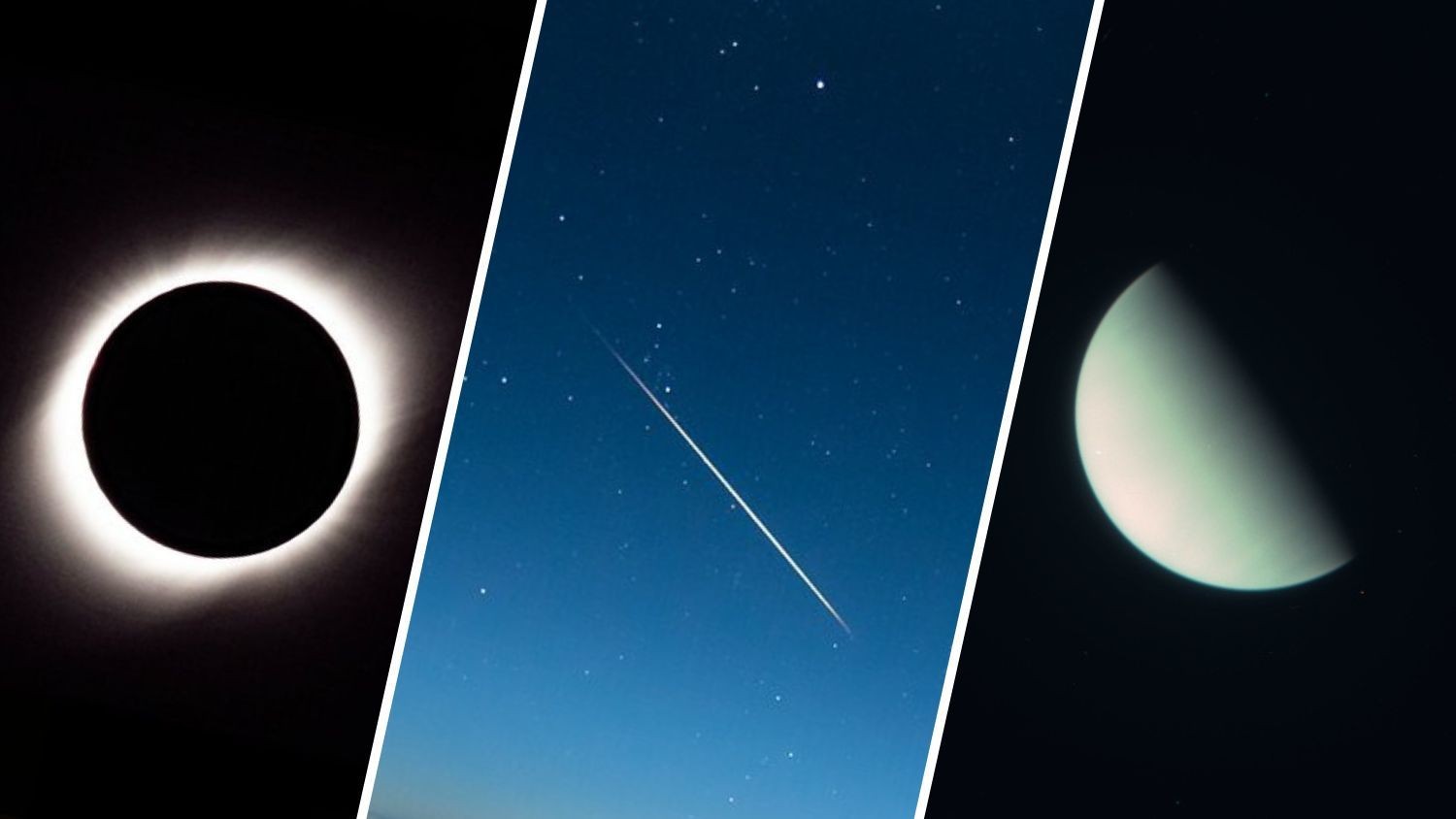
August 12, 2025—wait, 2026—is shaping up to be the biggest day in the calendar. A total solar eclipse. The Perseid meteor peak. Venus at dichotomy. All three. Simultaneously. It’s the kind of cosmic coincidence astronomers wait a decade for. And if you’re lucky enough to find a dark patch of sky for the meteors? The Milky Way’s bright center stretches right across the south by midnight.
Where you stand matters. A lot.
Inside an 180-mile strip crossing eastern Greenland, western Iceland, and northern Spain? You get darkness. Real day-into-night stuff. Across the UK and western Europe, the sun gets chipped away significantly. Venus pops out afterward, blazing bright and split in half if you have a scope. Hours later, meteors start raining down.
Here’s the breakdown. No fluff.
Iceland & Greenland: Chase the Totality
You’re on a boat off Iceland? Or trekking through Greenland? You’re winning the lottery.
Maximum totality—2 minutes and 18 seconds—happens in the Atlantic west of Iceland. You’ll need a ship to get there. Many can’t. Inside Greenland’s Scoresby Sund fjords, you might catch 2 minutes 17 seconds. Timing is tricky though. 4:36 p.m. local time means the sun is only 25 degrees up.
Darkness doesn’t help here. There is no real night. Just civil twilight all night long.
Forget auroras. Forget the Perseids. The sky won’t get dark enough. Venus won’t show either. Greenland is too far north for this specific party.
In Iceland, it’s different. Totality starts between 5:43 and 5:50 p.m. GMT. Western spots get more time. Látrabjarg gets 2m 13s. Snæfellsnes gets 2m 10s. Sunset in Reykjavík is late. Around 11 p.m. is the darkest part. That might let you catch meteors. Aurora is possible too, though summer light often ruins the show. Venus remains invisible after dark.
Spain: Low Sun, Long Wait
If you’re in northern or eastern Spain, plan your calendar. This is a bucket-list day.
The moon swallows the sun low in the west. Photographically, it’s gold.
Timing runs from 8:26 to 8:33 p.m. CET. Galicia gets the most: 1m 50s. Mallorca gets the least: 1m 36s. In Mallorca, the sun hangs just above the horizon. Madrid sees sunset at 9:16 p.m. But you aren’t done yet.
Midnight hits around 1:30 a.m. for darkest skies. The radiant point Perseus rises. This is the payoff.
Don’t expect northern lights unless the solar grid breaks. Focus on meteors. You’re looking at Bortle 4 conditions in rural areas. That means 30 to 50 stars per hour. Maybe more.
The eclipse forces a new moon. Which means zero lunar interference. Perfect.
Take an afternoon nap. Trust me on this one. The night gets long.
U.K.: Deep Shadows
Totality? Misses by a mile.
But the eclipse runs deep. 90 to 96 percent coverage across most of Britain. Maximum happens just after 7 p.m.BST. Coastal views are key. Hills help. Open land works best. London loses about 9% of its sun. Cardiff loses 7%. Cornwall gets the most—almost 96%.
It gets weird. The light dims. Shadows blur. Colors mute. The air might cool slightly. First-timers always remark on the quality of light. It feels wrong. Like nature is buffering.
When the eclipse fades, look west.
Venus is there. Bright. Half-lit if you peer through glass. The Evening Star shines at magnitude -4.4. The Perseids follow early Aug 13. It’s a stacked deck for stargazers.
Western Europe: Sunset Drama
Western Europe gets a different angle.
No totality. But a deeply eclipsed sunset. That’s rare. In Corsica, Venice, the Alps, the sun turns into a crescent right as it hits the water or trees. Photographers drool at this. More than 90% coverage in some spots.
It’s dramatic. Visually striking. And it doesn’t end with sunset. Venus appears. The Milky Way rises. Meteors start falling. An all-night astronomy festival without the ticket booth.
North America: The Sidekick Event
Alaska to New England sees the tail end of it. Every Canadian province included. 26 U.S. states touched.
Modest? Yes. Compared to the last few years’ total eclipses, yeah. But it’s still an event. Millions can participate.
Alaska wins. Fairbanks loses 37%. Anchorage loses 28%. Maine loses 28%. Boston 16%. New York 10%. Canada pulls ahead. Iqaluit hits 61%. St. John’s goes over half.
Wear your glasses. Even 10% hurts the eyes.