The race for space has shifted its focus. While Mars was once the primary target for long-term colonization, the immediate goal for the world’s most powerful space agencies and private enterprises has pivoted back to our nearest celestial neighbor.
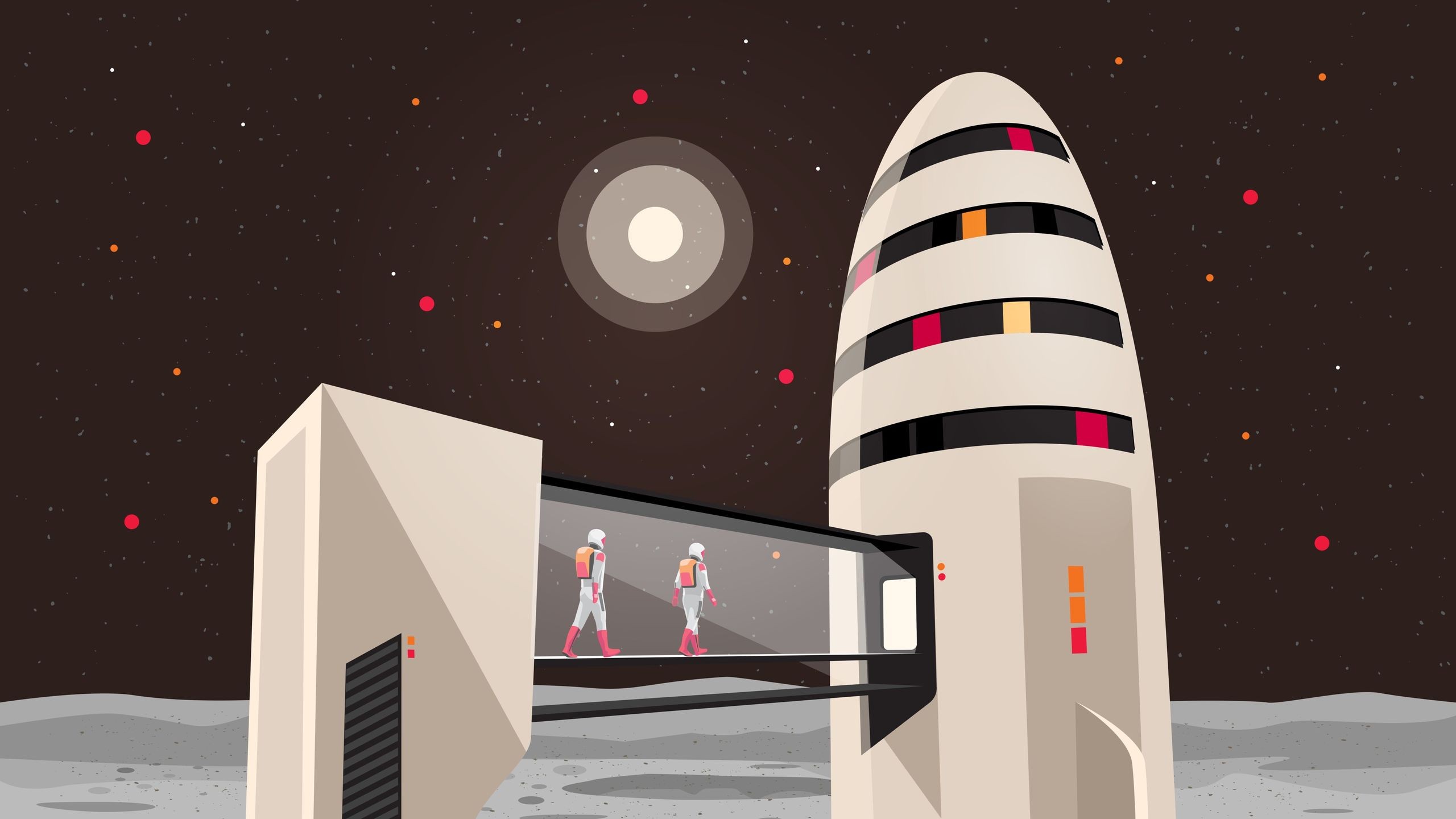
NASA Administrator Jared Isaacman recently announced plans for a “sustained human presence” on the Moon, with construction potentially beginning as early as 2027. This vision is echoed by SpaceX CEO Elon Musk, who has pivoted from Mars exploration toward the goal of establishing a “lunar self-growing city” within the next decade.
However, a significant gap exists between these ambitious corporate timelines and the current scientific reality. While the vision is grand, the Moon is a fundamentally hostile environment that presents several existential challenges for human life.
The Three Great Obstacles: Dust, Radiation, and Gravity
To understand why scientists are hesitant about a ten-year timeline, one must look at the specific environmental hazards that make the Moon vastly different from Earth.
1. The “Satellite of Horrors”: Lunar Dust
Unlike Earth’s dust, which is softened by wind and water, lunar dust is composed of razor-sharp, microscopic shards. Because there is no atmosphere to weather them down, these particles remain incredibly abrasive.
– Mechanical Failure: The dust is easily electrified, meaning it “levitates” and sticks to everything. It can clog breathing vents, scratch spacesuits, and coat solar panels, leading to overheating and system failure.
– Precedent: We have already seen how dust-related clogs can end the missions of rovers on Mars; on the Moon, the problem could be much more pervasive.
2. The Invisible Threat: Cosmic Radiation
Without Earth’s protective magnetic shield and thick atmosphere, lunar settlers will be constantly bombarded by high-speed cosmic radiation.
– Health Risks: Long-term exposure significantly increases the risk of cancer.
– The Uncertainty Gap: Because the biological effects of radiation take time to manifest, scientists cannot know the true long-term impact on human settlers until decades after they arrive. As researcher Dr. Emmanuel Urquieta notes, every lunar resident will essentially be a “test subject.”
3. The Biological Toll: Low Gravity
The Moon’s gravity is only one-sixth of Earth’s. While this might seem like a minor difference, the human body is evolutionarily tuned to Earth’s pull.
– Muscle and Bone Loss: Without intense exercise, bones wither and muscles atrophy. However, transporting heavy Earth-style gym equipment to the Moon is logistically impractical.
– Fluid Redistribution: In low gravity, bodily fluids shift toward the upper body. This can cause swelling in the eyes and potentially fatal blood clots in the neck (jugular vein thrombosis).
The Infrastructure Dilemma: Building on a Foreign World
Even if we solve the biological issues, we still face the problem of construction. To survive, humans will likely need to live in 3D-printed soil habitats or underground bunkers to shield themselves from radiation.
The catch? We currently do not know how to dig or build on the Moon. Scientists are still researching the feasibility of lunar excavation and the structural integrity of materials used in such a vacuum.
The “Gold Rush” vs. The “Research Station”
The economic viability of a moon base rests heavily on a single, unverified resource: Lunar Ice.
Planners hope to use ice for drinking water, oxygen, and even rocket fuel. If the ice is abundant and easy to extract, the Moon could become a bustling “gold rush” economy. If it is scarce or difficult to reach, the Moon may remain a lonely, high-cost research outpost similar to Antarctica.
“We have to be very careful not to sell something which we don’t have,” warns Giuseppe Reibaldi, president of the Moon Village Association.
Conclusion
While the ambitions of NASA and SpaceX are driving unprecedented momentum in space exploration, the scientific community warns that a permanent lunar city within ten years is a massive leap of faith. Success depends not just on rocket technology, but on our ability to master the harsh physics of dust, radiation, and gravity.