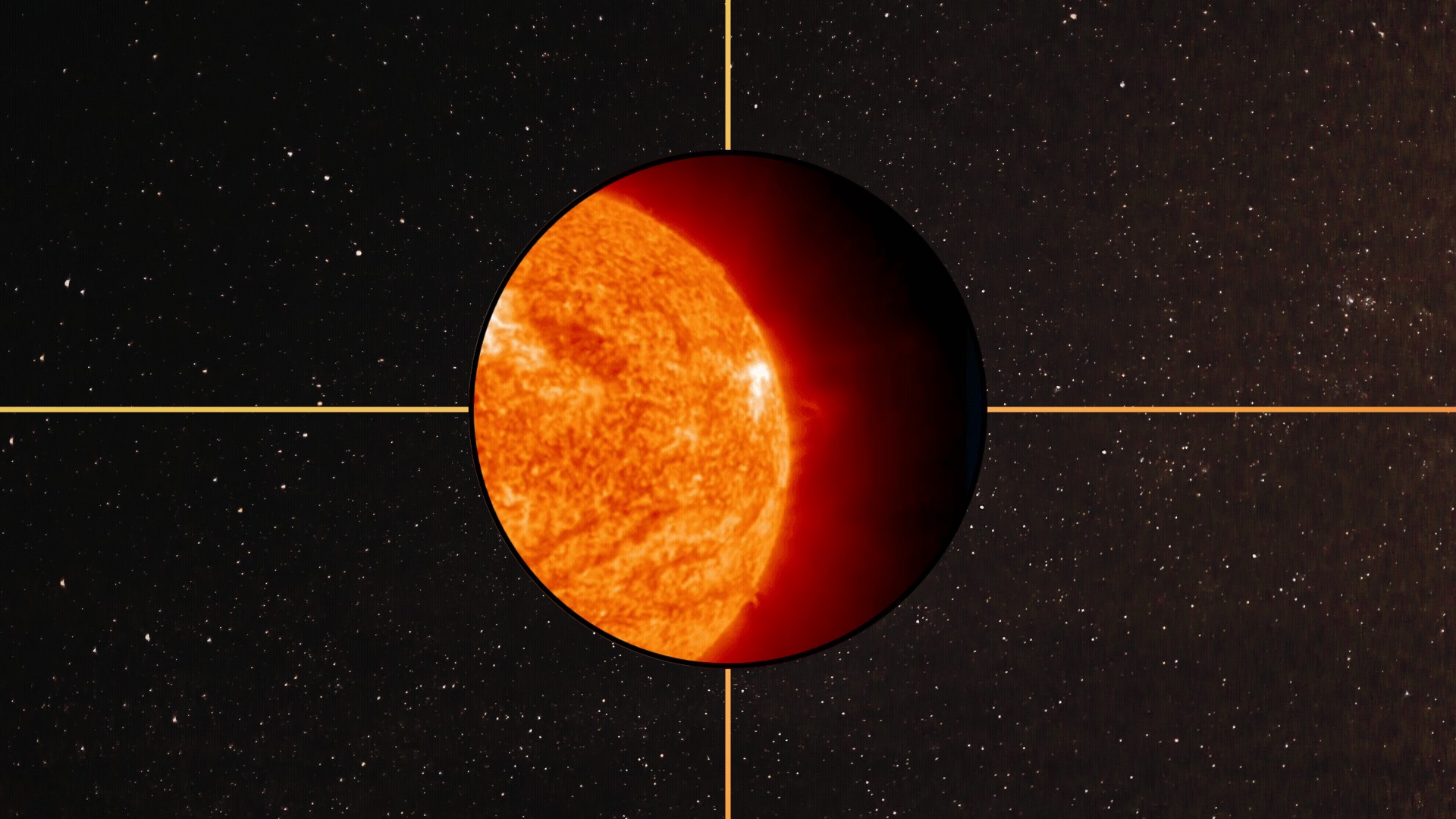
The Sun has entered a period of intense activity, unleashing two massive X-class solar flares within a mere seven-hour window. These eruptions represent the most powerful solar events observed in the last 78 days, causing immediate disruptions to radio signals on the sunlit side of Earth.
The Timeline of Eruptions
The flares originated from a highly active sunspot region designated as AR4419, located on the Sun’s western limb. The sequence of events unfolded as follows:
- First Flare: Peaked at 9:07 p.m. EDT on April 23.
- Second Flare: Peaked at 4:14 a.m. EDT on April 24.
These X-class eruptions were not isolated incidents; they were preceded by a series of smaller M-class flares and even a rare “sympathetic flare,” where eruptions occurred simultaneously in two different sunspot regions on opposite sides of the Sun.
Impact on Earth: Radio Blackouts
The immediate consequence of these bursts of radiation was the disruption of high-frequency radio communications. As the intense electromagnetic radiation reached Earth, it interacted with our upper atmosphere, causing radio blackouts in several regions:
- The first flare impacted parts of the Pacific Ocean and Australia.
- The second flare disrupted communications across East Asia.
Why do flares disrupt radio?
To understand these blackouts, it is necessary to look at the ionosphere —the layer of Earth’s upper atmosphere. Normally, high-frequency radio waves “bounce” off the ionosphere, allowing for long-distance communication. However, the intense X-ray and ultraviolet light from a solar flare over-ionizes this layer, disrupting the delicate balance required for these signals to travel effectively.
Looking Ahead: CMEs and Potential Auroras
In addition to the light radiation, these flares appear to have been accompanied by Coronal Mass Ejections (CMEs) —massive clouds of plasma and magnetic fields expelled from the Sun.
While the Sunspot’s position on the western edge suggests that these plasma clouds may not be headed directly for Earth, scientists are closely monitoring their trajectories. If a CME provides even a “glancing blow” to our planet, it could trigger:
* Geomagnetic storms: Disturbances in Earth’s magnetic field.
* Aurora displays: Vivid northern or southern lights visible at lower latitudes than usual.
Note on Classification: Solar flares are ranked on a scale from A to X. Each letter represents a tenfold increase in energy, making X-class flares the most powerful and potentially disruptive category of solar activity.
Summary
The recent double X-class flare event highlights the Sun’s current volatility and its direct impact on Earth’s communication infrastructure. While immediate radio disruptions have occurred, the focus now shifts to monitoring whether accompanying plasma clouds will trigger geomagnetic storms or spectacular aurorae.