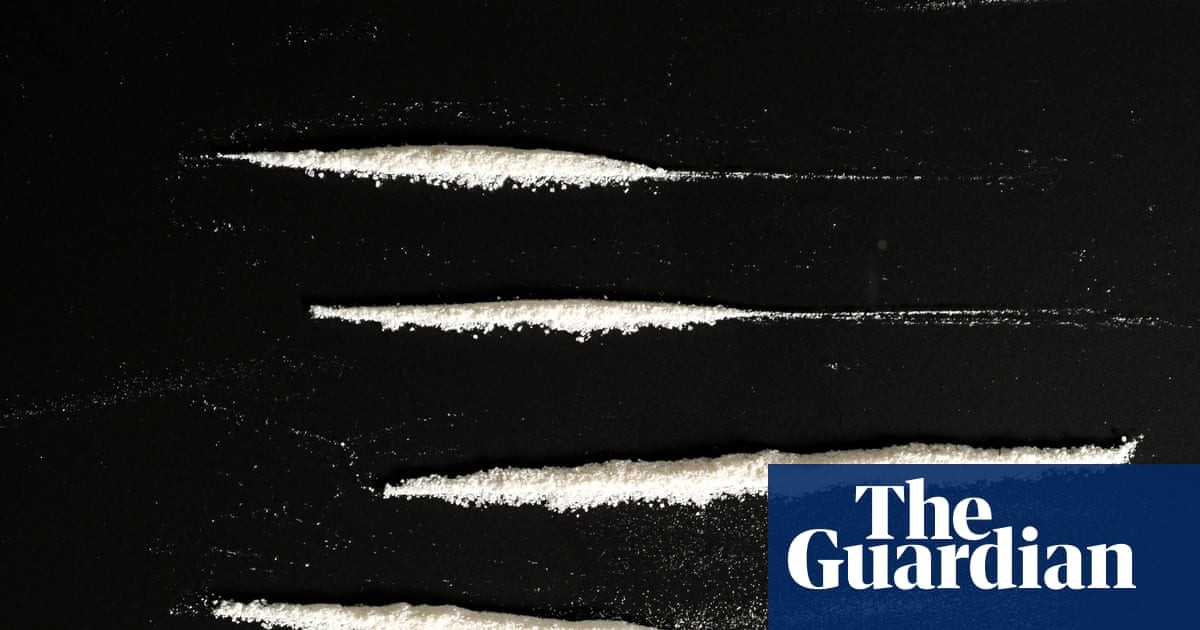
For decades, cocaine has been the quintessential symbol of American excess—a drug inextricably linked to the “brash and bombastic” culture of the 1980s. However, recent data suggests that the era of the cocaine kingpin may be fading into history. As usage rates plummet among younger generations, a new, more complex, and often more dangerous drug landscape is emerging in its place.
The Statistical Shift: A Generation Turning Away
The decline of cocaine in the United States is not merely anecdotal; it is reflected in stark statistical shifts. During the height of the drug’s popularity, roughly 6.7% of Americans reported annual use. Today, that figure has dropped to just 1.5%, with approximately 4.3 million adults reporting use in 2024—down from 5.9 million in 2017.
The most significant drop is found within Gen Z. For the 18-to-25 demographic, usage has plummeted from 2.1 million in 2017 to just 811,000 in 2024. This trend reveals a profound cultural shift:
– Ethical Disconnect: Younger users often view cocaine as “ethically dodgy,” associating it with a nightlife and heavy-drinking culture they are increasingly rejecting.
– Wellness Focus: There is a growing emphasis on mental health and physical wellness, leading many to conclude that the “juice isn’t worth the squeeze” regarding the harsh side effects of a cocaine binge.
– Perceived Control: Many are opting for substances they perceive as more manageable, such as cannabis or prescription stimulants like Adderall.
The Rise of the “Mixed-Drug” Environment
While cocaine is losing its status as the “star” of the American party scene, its disappearance has not led to a simpler drug market. Instead, the US is transitioning into a “messier,” more fragmented environment characterized by a variety of alternatives:
- Ketamine: Gaining massive popularity in club scenes, often perceived by users as having a less depressive “aftermath” than cocaine.
- Psychedelics & GHB: Emerging as popular alternatives for those seeking different psychological experiences.
- Novel Stimulants: The rise of substances like 3-MMC and various “designer drugs” that lack a history of use in the US.
The Paradox of Rising Overdose Deaths
A troubling contradiction exists in the current data: while cocaine use is declining, cocaine-related overdose deaths have surged. According to the CDC, deaths rose from 10,475 in 2016 to 22,174 in 2024.
Experts point to two primary drivers for this lethal trend:
1. Increased Potency: Due to record production levels in Colombia, the purity of cocaine has spiked. Average purity rose from 54% in 2020 to 88% last year.
2. The Fentanyl Factor: While experts argue that dealers rarely mix fentanyl into cocaine (as it counteracts the stimulant effect users seek), there is a rise in “speedballing”—the deliberate, knowing injection of cocaine and fentanyl together. This has made even occasional use feel unpredictable and life-threatening.
A Changing Global Outlook
The shift in American consumption patterns may have global implications. As the US—one of the world’s largest markets—moves away from cocaine, it could signal a downward trend in global demand, even as supply reaches record highs.
Despite this domestic shift, political rhetoric remains tethered to the past. US policy continues to focus heavily on drug trafficking in Latin America and Caribbean maritime interdiction, even as the actual cultural consumption of the drug undergoes a fundamental transformation.
Conclusion: While the cultural grip of cocaine is loosening as Gen Z prioritizes wellness and new substances, the transition is creating a more volatile and dangerous drug landscape defined by high-potency synthetics and complex drug combinations.