An environmental crisis isn’t just a bad week for the weather. It happens when the surroundings that support a specific species or population shift in ways that threaten their very survival. Think of an ecosystem not as a collection of separate parts, but as a tangled web of interdependence. When you pull one thread, the whole structure shudders.
This disruption throws off the delicate balance. A change in one element ripples out, affecting how organisms live and breathe. It impacts the living, or biotic factors, just as it impacts the non-living, or abiotic factors.
Consider the physical elements that seem permanent. Water. Temperature. Soil. Air. Sunlight. These are the abiotic foundations. When they shift, everything else follows.
“A crisis environmental o ecológica ocurre cuando el entorno medioambiental donde habita una especie o población experimenta cambios que amenazan su continuidad.”
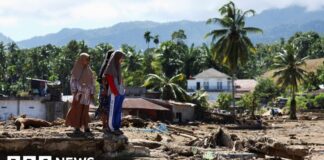
Natural processes drive some of these shifts. Climate change alters temperatures and precipitation patterns. Volcanoes erupt. Meteorites crash down. These forces can devastate a region. But they are not the only culprits.
Biotic factors play a huge role too. Species migrate. Others disappear or go extinct. Invasive species move in, outcompeting locals. Populations of certain animals explode, leading to over-predation. The web gets tangled by life itself.
Then there is the human element. The anthropogenic factor. We destroy soils. We divert rivers. We clear-cut forests. We drain resources and consume energy with reckless abandon. This intervention causes severe environmental impact. It triggers ecological crises that nature alone could not have sustained.
The Hallmarks of a Global Ecological Emergency
Global environmental crises affect the basic conditions of life across the entire planet. We are living through one right now. How do we recognize it?
Look at the data. Thousands of species go extinct every single year. Natural resources are degrading and running dry. The planet is warming. The ozone layer has been damaged. Weather patterns are going haywire. Some regions face intensified hurricanes and cyclones. Others are baking under worsening droughts.
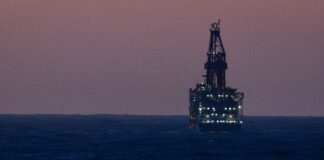
Add in human negligence. Oil spills in the Gulf of Mexico. Nuclear accidents at Chernobyl and Fukushima. These are not just accidents. They are symptoms of a system under pressure.
The loss of biodiversity is accelerating. Habitats are being destroyed. Regenerating natural resources is becoming increasingly difficult. This is the core characteristic of the crisis.
Can We Stop It?
Human beings are finally waking up. We understand the consequences of our actions. We see how they affect other species and forms of life on Earth. We have the tools. We have the technology. We have the knowledge.
The barrier isn’t technical. It is political. And it is psychological.
To avoid these global ecological crises, governments must promote sustainable development policies. But policy requires will. It requires a shift in how inhabitants view their own survival. The will of politicians and the consciousness of citizens must align.
Without that political will, the tools remain useless. The web keeps fraying. The question isn’t whether we can fix it. It is whether we want to.