Wildlife is full of tiny moths. Most live quietly in forests or fields. They do not bother anyone. But two families have adapted to human homes. They have become pests. You likely know them by their damage, not their names.
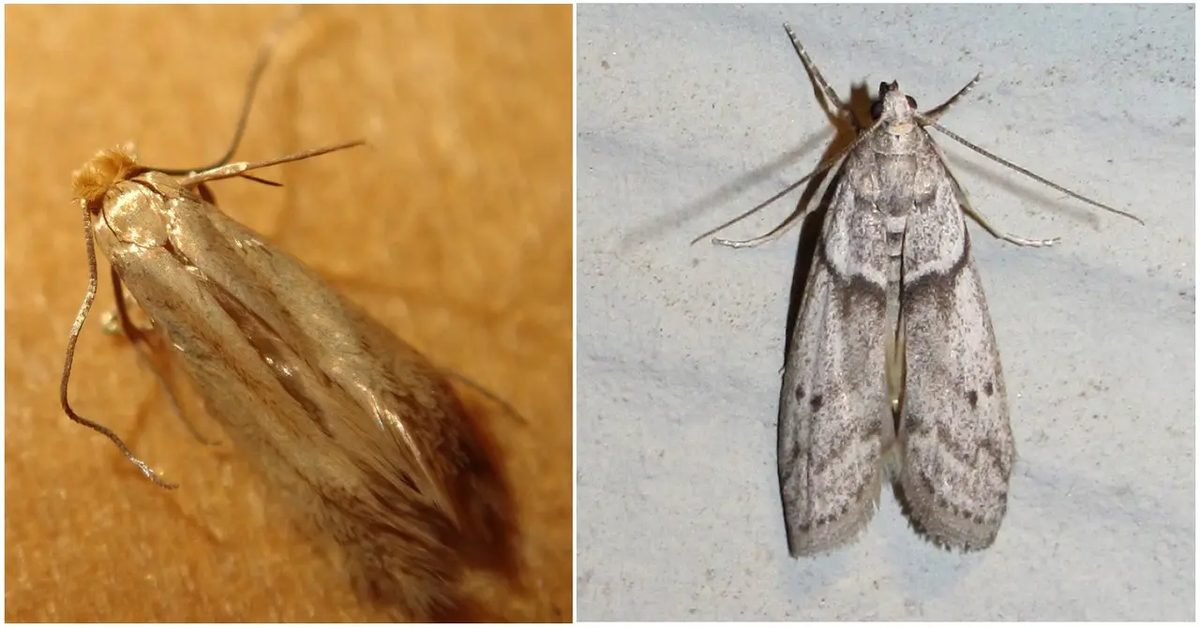
The first group targets your wardrobe. The clothes moth (Tineola bisselliella ) is the main culprit. It eats natural fibers. Wool, silk, and cotton are its favorites. The fur moth (Tinea pellionella ) is another enemy. It attacks fur and feathers. These pests can ruin expensive coats in weeks.
The second group hunts your kitchen. The Indian meal moth (Ephestia kuehniella ) is the usual suspect. People call it a food moth or flour moth. It hides in dry goods. Cereal, flour, and nuts are its target. You might see tiny worms in your pantry. Or find webbing in an open bag.
These are not just minor annoyances. They represent a larger issue of urban adaptation. How did these wild insects learn to live inside our walls? Why do they thrive when we ignore small details?
The Wardrobe Invaders
Clothes moths prefer dark, undisturbed areas. Behind closets. Under beds. Inside storage boxes. The adults fly poorly. They do not cause damage directly. The larvae do. The tiny caterpillars chew through fabric. They leave holes. Irregular shapes. Often near seams or hems.
Fur moths are slightly different. Their larvae spin silk cases. They carry these cases with them. The case protects them. It also helps them hide. You might spot a moving speck on your fur coat. It is not dust. It is a larva.
Both species thrive in humidity. They avoid dry, sunny spots. This is why they hide in corners. It is why they avoid the center of a room.
The Pantry Pests
Food moths are different. Their larvae do not eat fabric. They eat dry food. Flour, rice, pasta, pet food. Even dried fruit. The infestation starts with a single egg. Laid in a crack or on a package label.
The larvae grow quickly. They web together food particles. This webbing is a clear sign. You will find it in corners of boxes. Or near the base of shelves. The moths themselves are easy to spot. They fly erratically. They rest on walls near light sources.
Why It Matters
These moths are more than a nuisance. They represent a breakdown in home maintenance. They thrive where we are careless. A missed spot in the vacuum. An unsealed bag of flour. A coat stored without cleaning.
The damage is financial. Ruined clothes. Wasted food. The damage is also psychological. Finding pests in your home feels like a failure. It challenges our sense of control.
We often assume our homes are clean. We vacuum. We wipe surfaces. But we miss the small details. The cracks. The hidden corners. The untreated fabrics.
This is not about perfection. It is about awareness. Recognizing that these pests are not random. They are opportunistic. They wait for us to slip up.
The next part will look at how to identify the specific signs. And what to do when you spot them. Because ignoring them is not an option
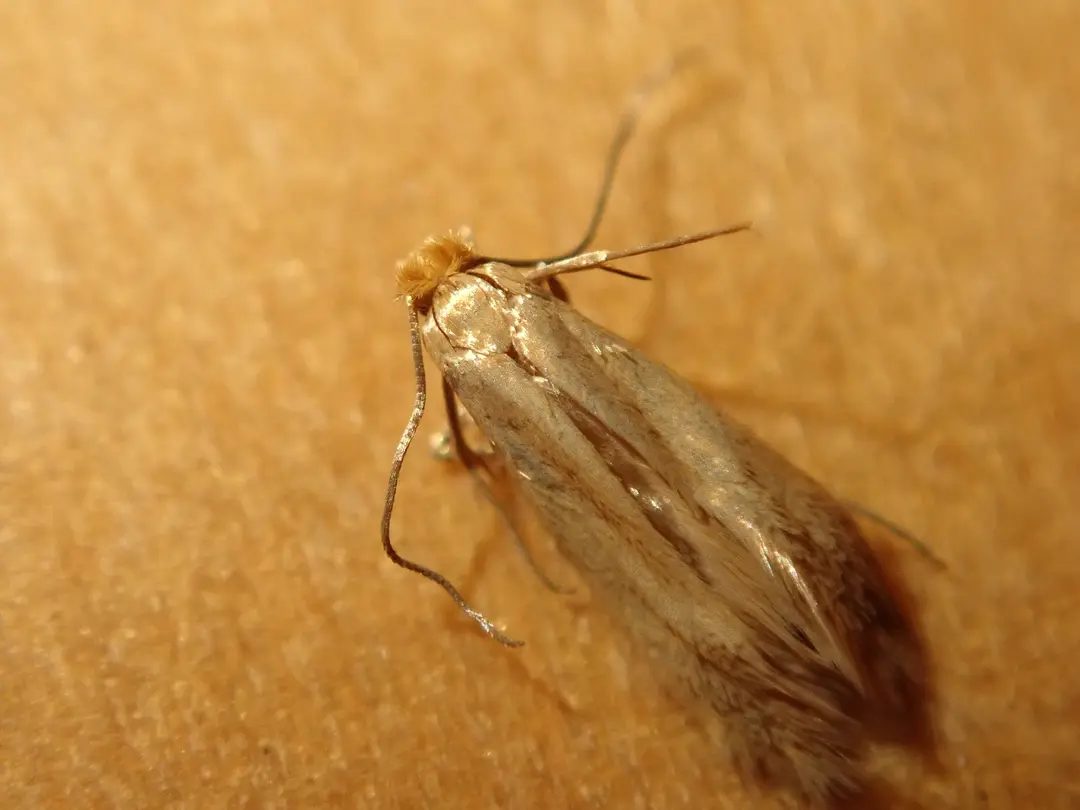
The fabric-eating moth explained
It is about 6-8 millimeters long. Brown-gold wings. Not much to see until it lands on your favorite sweater.
An adult moth is not harmful. The larvae eat your clothes. They have a cream-colored body and a brown head. They feed on keratin. This protein is found in fibers, hair and nails.
All animal materials are fair game. Wool. Silk. Fur. Feathers. It’s a buffet for these pests.
The life cycle is fast. It takes about six weeks for the caterpillar to become a moth. Then it starts all over again.
Health risks and prevention
The moth itself is not dangerous to humans. But it can cause allergies. Asthma attacks are possible in sensitive people.
How do you stop them? Know what attracts them? Keratin is the key. Avoid storing animal fibers in damp, dark places. Keep closets dry. Air the clothes regularly.
Which fabrics are most at risk? Wool and silk are at the top of the list. Fur is next. Synthetic blends are safer but not immune when mixed with natural fibers.
Why is this important? Because when the damage is done, it shows. Holes. Weak spots. Ruined clothes.
The solution is not complicated. But it requires attention. Small steps prevent big problems.
“The moth is a pest, but the caterpillar is the real threat.”
What can you do today? Inspect your closet. Look for small, creamy larvae. Check seams and folds. They are hiding there.
It’s not about panic. It’s about awareness.
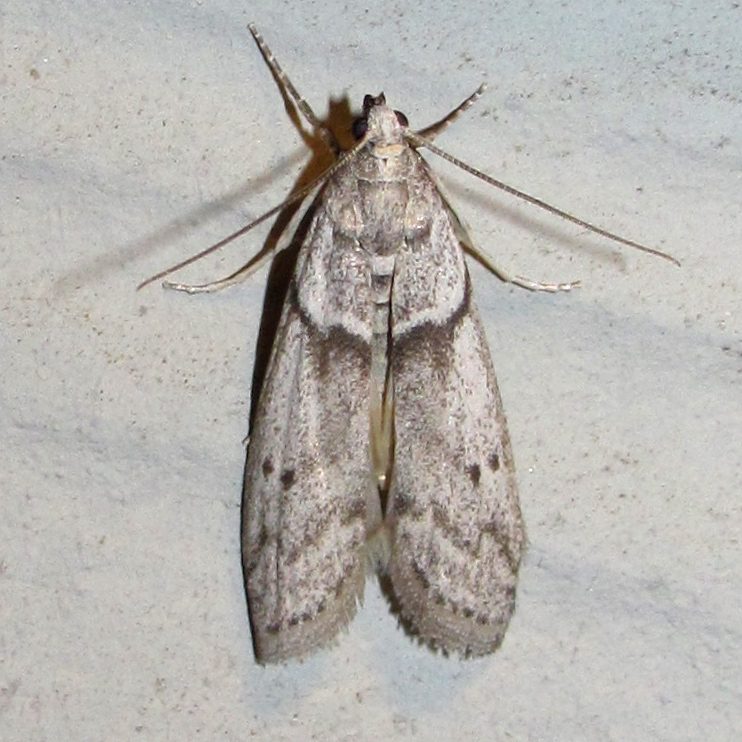
Pantry moth infestation explained
They are small, about 20-25 millimeters wide, and their wings look like a mixture of gray and brown dust. You may know them as pantry moth or flour moth. They hide in places we forget. Dark cabinets. Deep drawers. Hot spots. Moist corners.
The female lays up to 200 eggs at a time. It’s fast. The larvae hatch three to five days later. These larvae remain small. Length from one to five millimeters. They eat everything. Flour is their favorite. But that’s not all. Rice. Pasta. Semolina. grains. seeds. Beans. Sugar. pastries. Even chocolate and dried fruit.
The worst part is how they penetrate. They can penetrate thin packaging. They compress themselves into packages. You may recognize them by the little cocoon left on the edge of the box. Or in the packaging itself.
Are these pests dangerous? Not really. They do not transmit diseases that directly harm humans. But throwing away contaminated food is a wise decision. Hygiene is important. You don’t want to eat bug poop.
How do you get rid of them? There are many traps. Chemical. Natural. Heat also works. Dry cleaning. Warm the infected products in the microwave. Even the cold kills them. The freezer does its job.