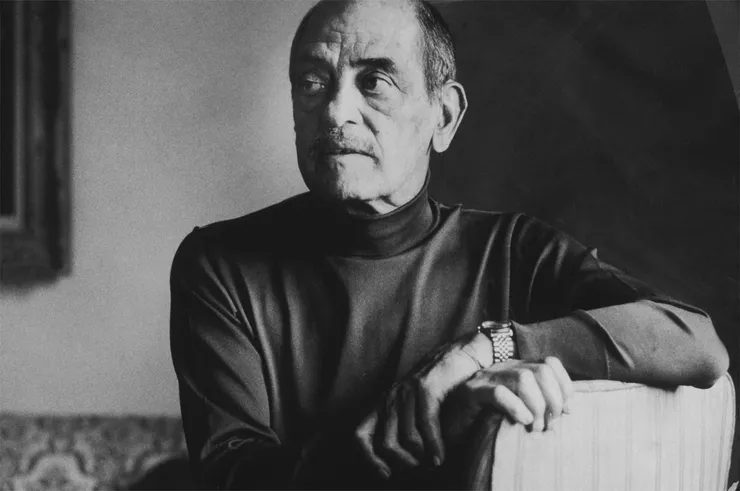
Luis Buñuel didn’t just make movies. He made grenades wrapped in celluloid. Born in Calanda, Spain, in 1900, he spent his youth at the University of Madrid. That’s where he met Salvador Dalí. They shared a vision. It was twisted. It was surreal. And in 1928, they fused it into a single film: Un chien andalou. The two-minute short still shocks viewers today. A razor cutting an eyeball. It wasn’t just art. It was a middle finger to the establishment.
Buñuel didn’t stop there. He kept attacking the things people held sacred. Religion. Morality. The bourgeoisie. His film L’age d’or followed in 1930. It was anticlerical and brutal. It got banned almost immediately. He didn’t care. He made Land Without Bread in 1932. A documentary. Cold. Unflinching. It showed the poverty of Extremadura. People hated it. Authorities hated it more.
Then came the long drift. He worked as a commercial producer in Spain. He took a job as a technical adviser in Hollywood. It was a grind. But he wasn’t done. He eventually moved to Mexico. The climate changed. The subjects didn’t. In 1950, he directed Los olvidados. It was raw. It was about street kids. It was real. In 1958, he made Nazarín. A priest trying to do good. The world ignored him. Buñuel knew that story well.
He returned to Spain in the 1960s. The country was still under Franco. Buñuel made Viridiana in 1961. It looked like a story about nuns. It was actually a savage critique of the Church. The Spanish government banned it. They called it blasphemous. The rest of the world called it a masterpiece. The irony was thick enough to cut with a razor.
How Buñuel Attacked Conventional Morality
His later work became a systematic dismantling of middle-class values. He didn’t just show life. He showed the lies life tells itself. In Belle de jour (1967), he explored female desire and fantasy. It was scandalous for its time. Tristana (1970) looked at power dynamics and abuse. It was uncomfortable.
But his sharpest satire came in The Discreet Charm of the Bourgeoisie in 1972. A group of wealthy friends try to have dinner. The meal never happens. Interrupted by dreams. By politics. By absurdity. It was funny. It was cruel. It revealed the hollowness of their social rituals.
He kept going until the end. That Obscure Object of Desire (1977) featured two actresses playing the same woman. It was chaotic. It was brilliant. It defied logic. Buñuel died in Mexico City in 1983. But his films keep provoking. They keep disturbing. They don’t offer answers. They only offer questions you can’t unsee.
Who decides what is