A 17th-century canvas by Jan Steen captures the exact moment patience snaps. In “Argument Over a Card Game,” a spilled backgammon board triggers a literal sword fight. It is a Baroque explosion of anger that proves one thing clearly: this board game is intense. It is thrilling enough to make calm people reach for steel.
The painting reveals more than just historical anger. It shows how backgammon has dominated leisure for millennia. Historians trace the game’s roots back 5,000 years. Early players rolled dice carved from human bones. They did not call it backgammon, though. The term itself is relatively new. It first appeared in print in 1645. Before that, the game wore many names.
The Romans spread the game across their empire. They called it “duodecum scripta et tabulae.” Everyone just called it “tables.”
Why Backgammon Went Cold and Came Back Hot
By the early 1900s, the game faded. People wanted quicker thrills. They did not want to wait for long matches. Then came 1925.
A backgammon enthusiast changed the stakes. He doubled the bets. This innovation sparked a revival. It also brought in chouette, a multiplayer format. These changes kept the game alive. Today, players travel globally for tournaments. They log in online for digital matches.
Yet the core remains unchanged. It is still two friends at a pub. They race their checkers off the board. They fight for pride.
The Essential Setup
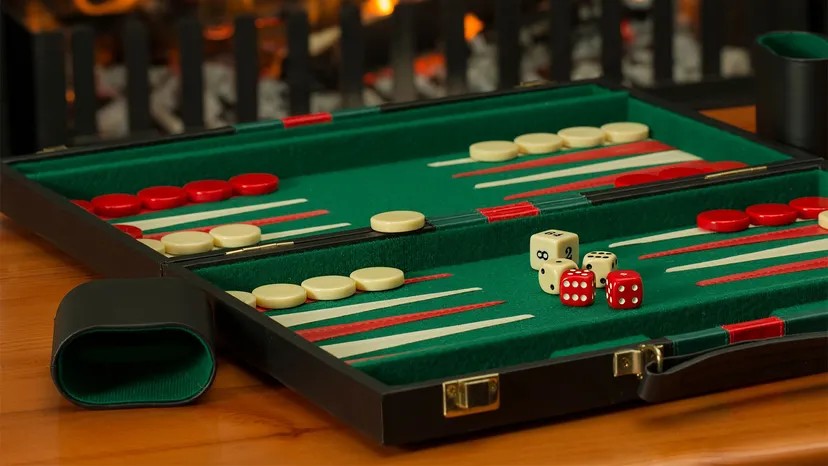
Before you can argue over dice, you need the right gear. The backgammon board is non-negotiable. Without it, there is no game.