Not even day three into the cycle yet.
The moon is barely waking up. Just starting to peek out from behind the darkness. You won’t see much tonight. Or for a few nights after that. But moon gazing is technically on. Again.
What’s it doing?
According to NASA’s Daily Moon Guide, as of Friday, July 17 the phase is Waxing Crescent.
Eleven percent illuminated. That’s it.
Don’t bother grabbing your best telescope. There simply isn’t enough light bouncing off the surface to show you any craters or mountains. It’s just a ghost of a shape in the sky.
Seeing less is still seeing.
When does it get big again?
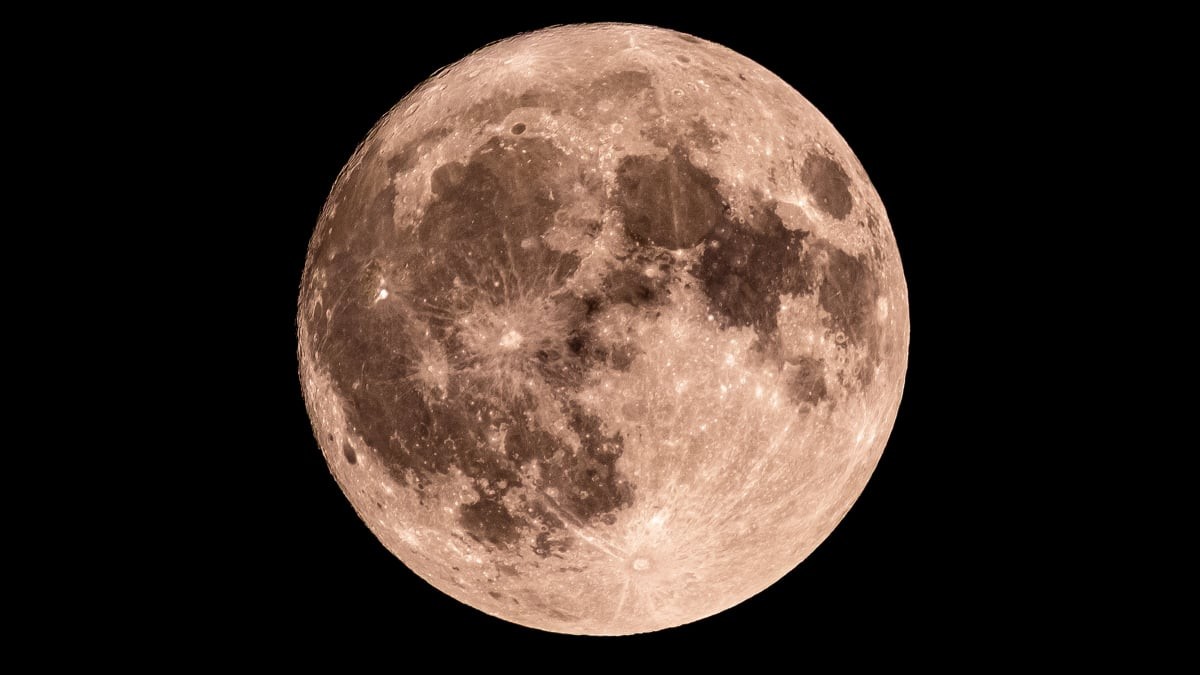
July 29. Mark your calendars. Or don’t. It happens anyway. That’s the next Full Moon.
How does this cycle actually work?
Twenty-nine point five days. That’s how long the Moon takes to lap the Earth once.
NASA explains it like this. The Moon has eight distinct phases during that trip. We always see the same face—the Moon is tidally locked, after all. But the lighting changes.
Sunlight hits different angles as it orbits. This shifts what we can see. A thin crescent. A half. A full plate. Then back to the shadows. It’s not the Moon changing. It’s the angle of the spotlight.
Here’s the lineup:
- New Moon : Between us and the sun. The face we see is black. Invisible to the eye.
- Waxing Crescent : A sliver of light. Right side (if you’re in the Northern Hemisphere).
- First Quarter : Half lit. Right side. Looks like a semicolon missing its dot.
- Waxing Gibbous : More than half. Not quite full yet. Almost.
- Full Moon : The whole face lights up. Fully visible. Bright enough to cast shadows on your lawn.
- Waning Gibbous : Starts losing light. Right side fades (Northern Hemisphere).
- Third Quarter : Another half. But now the left side glows.
- Waning Crescent : The final sliver. Left side. Before the dark takes it back.
The cycle repeats. Whether we look or not.
So why do we care about the phases anyway?