Canada’s basement rocks are leaking fuel.
It has been happening for a billion years. Scientists finally measured it. The find suggests a massive new vein of clean energy hidden right under our boots. No wind turbines. No solar panels. Just deep geology doing its thing.
Researchers from the University of Toronto University of Ottawa drilled into the Canadian Shield. They wanted to know what was happening inside these billion-year-old formations. They found hydrogen gas. Not traces. Real accumulations.
“White” hydrogen. Natural. Low-carbon.
This is the first time anyone has tracked how this gas builds up and mapped where the concentrations peak. Published in the Proceedings of the National Academy of Sciences. It’s not theory anymore. It’s data.
Mining for gas in Ontario
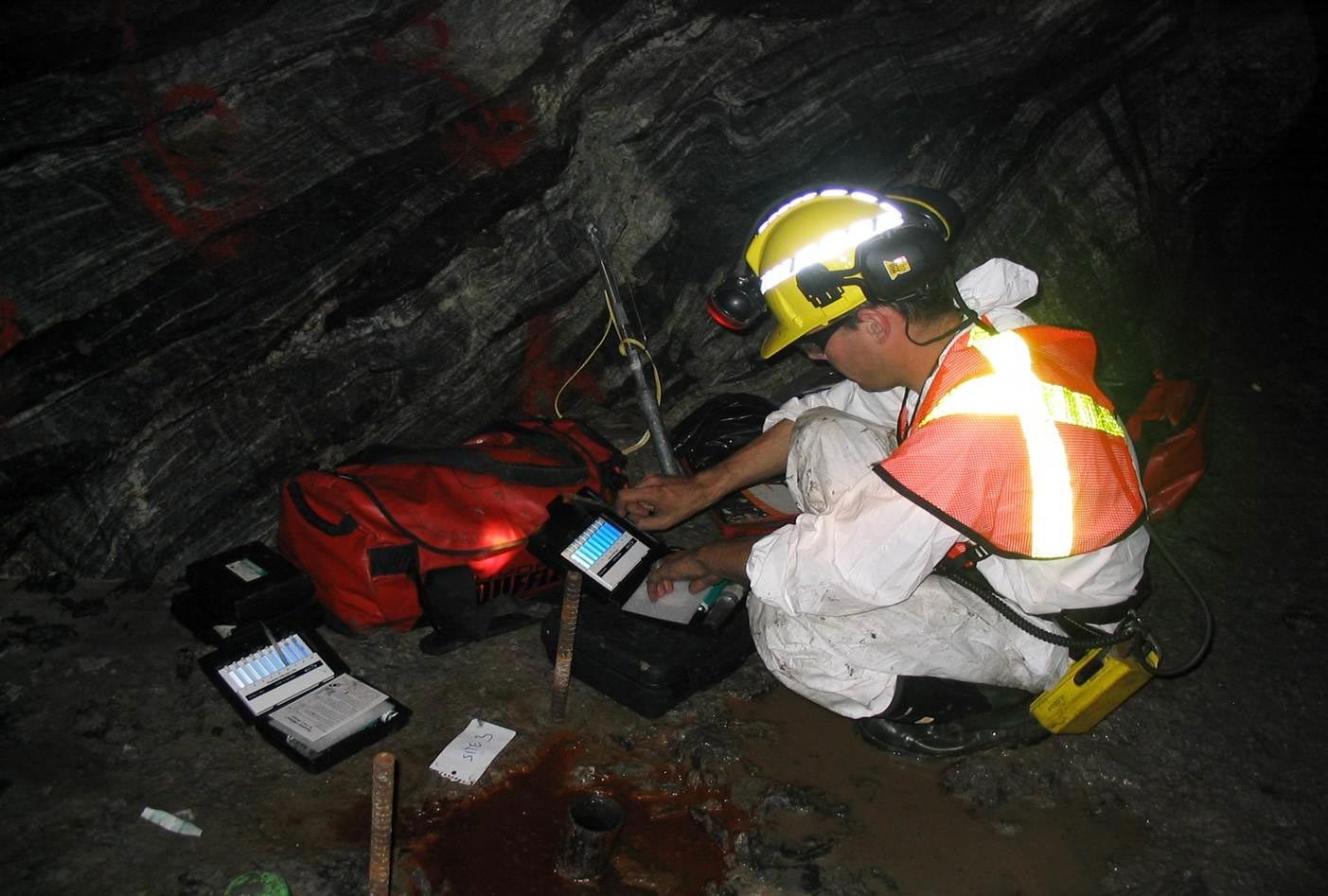
The team looked at an active mine near Timmins Ontario.
They checked the boreholes. Each one releases about 8 kilograms of hydrogen a year. Roughly the weight of a car battery. Sounds small? Look at the scale. The mine has nearly 15,0 Barbara Sherwood Lollar lead author at Toronto. She points out that this is domestic energy. Made in Canada.
“What’s more this provides a made in Canada resource that might be able to support local industry hubs and reduce their dependence on hydrocarbon imports.”
From one site you could get 4.7 million kilowatt-hours a year. That powers 400 homes easily.
Why does it matter?
Hydrogen is huge. A $135 billion industry. We need it for fertilizer. Steel. Methanol. But we make most of it using fossil fuels. Oil gas coal. The process spews CO2. Green hydrogen uses renewables but costs a fortune. It needs heavy infrastructure. Transport storage electricity. All of it expensive.
Natural hydrogen? Ignored until now. People thought it was just microbes or astrobiology curiosities. Models said yes. Direct measurements said… nothing. Until this.
The rocks react with groundwater. Chemical reactions generate gas. It happens slowly. Continuously. For millennia. Canada has the right minerals for it. Vast tracts of land qualify.
Oliver Warr co-author from Ottawa notes the overlap. The same rocks that hold nickel copper diamonds also make hydrogen. Lithium helium chromium cobalt. Mining and hydrogen are neighbors.
“The co-location of mining resources mitigates the need for transportation and infrastructure development.”
A new map
This matters for mines. High operating costs. High emissions. Local hydrogen cuts both. No pipelines needed. Use it on site.
Northern communities benefit too. Fuel costs are astronomical up north. Bringing gas in by truck or ship is pricey and dirty. Local supply changes the equation.
Sherwood Lollar says there is a race going on. The world wants cheap hydrogen to decarbonize. Now we know where to look. We can map it. We can find it.
“We now have a better economic understanding of this resource.”
It works here. Similar formations exist elsewhere. The potential is global. But it starts with the rocks. Billions of years old. quietly filling cracks. waiting to be tapped.