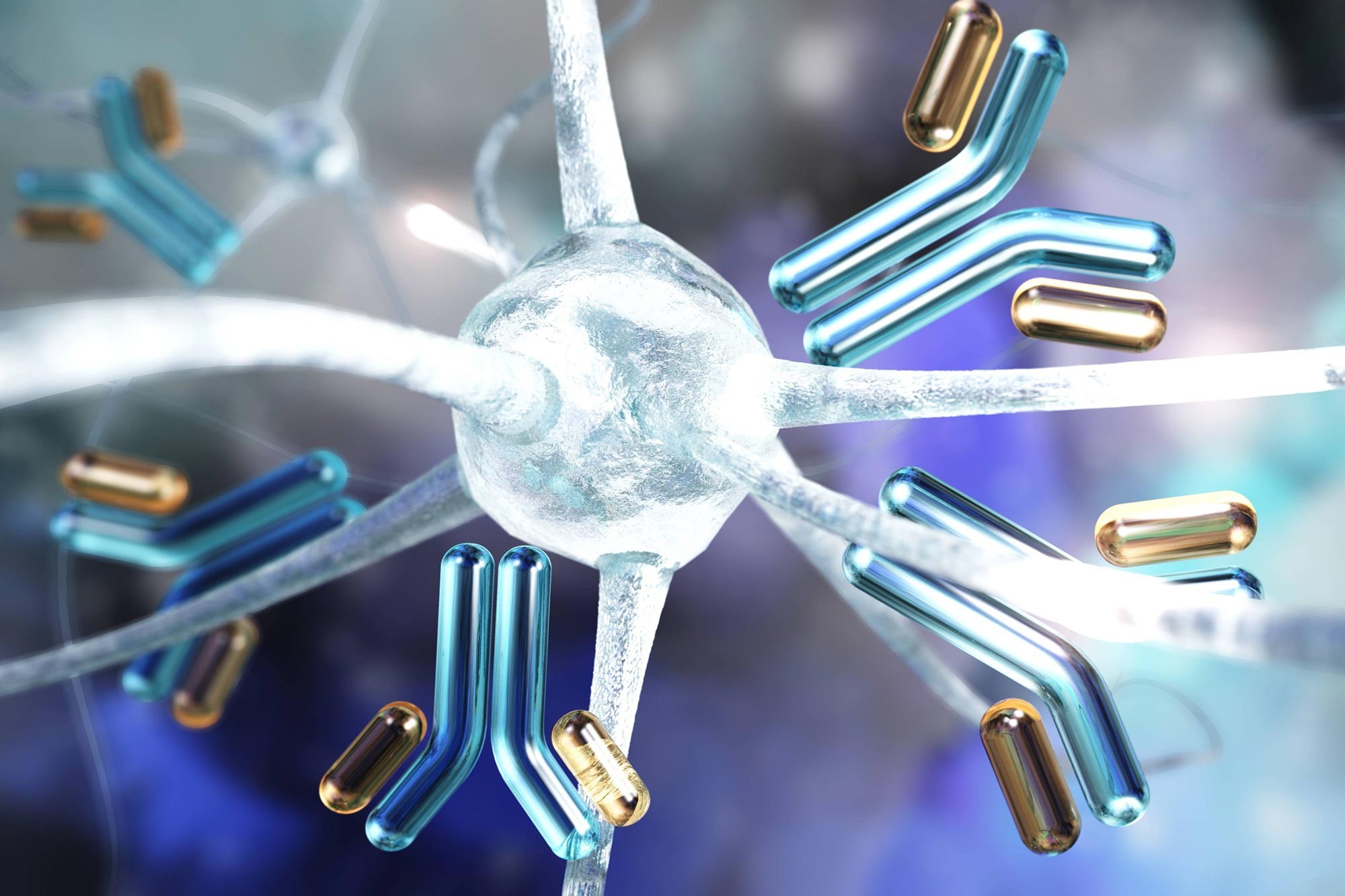
Researchers have uncovered a specific biological trigger that drives chronic brain inflammation in Alzheimer’s patients, potentially opening a new door for therapeutic intervention. By identifying a “molecular switch” that turns the brain’s immune response into a destructive force, scientists may soon be able to protect the neural connections essential for memory and cognition.
The Problem: When Immunity Becomes Self-Destructive
The human brain possesses a sophisticated immune system designed to detect and neutralize threats. However, in the context of Alzheimer’s disease, this system does not simply fail; it becomes persistently overactive.
This chronic state of inflammation creates a “scorched earth” effect, where the immune response itself begins to damage the synapses—the vital connections between brain cells—leading to the cognitive decline characteristic of dementia.
The Discovery: The STING Switch
A study led by Scripps Research, published in Cell Chemical Biology, has pinpointed a protein called STING as a central player in this inflammatory cycle.
Under normal circumstances, STING serves as an early warning signal for the immune system. However, the research reveals that in Alzheimer’s-afflicted brains, STING undergoes a specific chemical modification known as S-nitrosylation (SNO).
How the mechanism works:
- The Trigger: Alzheimer’s-related protein clumps (such as amyloid-beta) and environmental stressors trigger the production of nitric oxide.
- The Modification: This nitric oxide attaches to a specific amino acid—cysteine 148 —on the STING protein.
- The Overdrive: This modification (creating “SNO-STING”) causes the protein to cluster and enter a state of hyper-activity.
- The Result: This overactive STING sends out continuous inflammatory signals that attack healthy brain tissue.
Why This Matters: Precision vs. Suppression
A major challenge in treating inflammation is that the immune system is necessary for survival; completely shutting it down leaves the body vulnerable to infections.
The breakthrough of this research lies in its precision. Because the scientists identified the exact location of the “switch” (cysteine 148), they believe they can develop drugs that:
* Block the pathological overactivation of STING caused by the SNO modification.
* Leave the normal immune functions intact, allowing the brain to continue fighting actual infections.
In preclinical mouse models, preventing this specific modification not only reduced brain inflammation but also preserved synapses, effectively protecting the brain’s communication network.
Looking Ahead: From Lab to Medicine
The research team, including senior author and clinical neurologist Stuart Lipton, has already begun developing small molecules designed to target this specific site. While these findings are currently in the preclinical stage, the fact that the same pathway was observed in human stem cell models and postmortem brain tissue provides a strong foundation for future human trials.
“What makes this target particularly promising is that we can quiet the pathological overactivation of STING without shutting down the normal immune response,” says Stuart Lipton.
Conclusion: By identifying the specific chemical modification that turns the STING protein into an inflammatory driver, scientists have moved closer to a targeted therapy that could slow Alzheimer’s progression by protecting vital brain connections without compromising overall immunity.