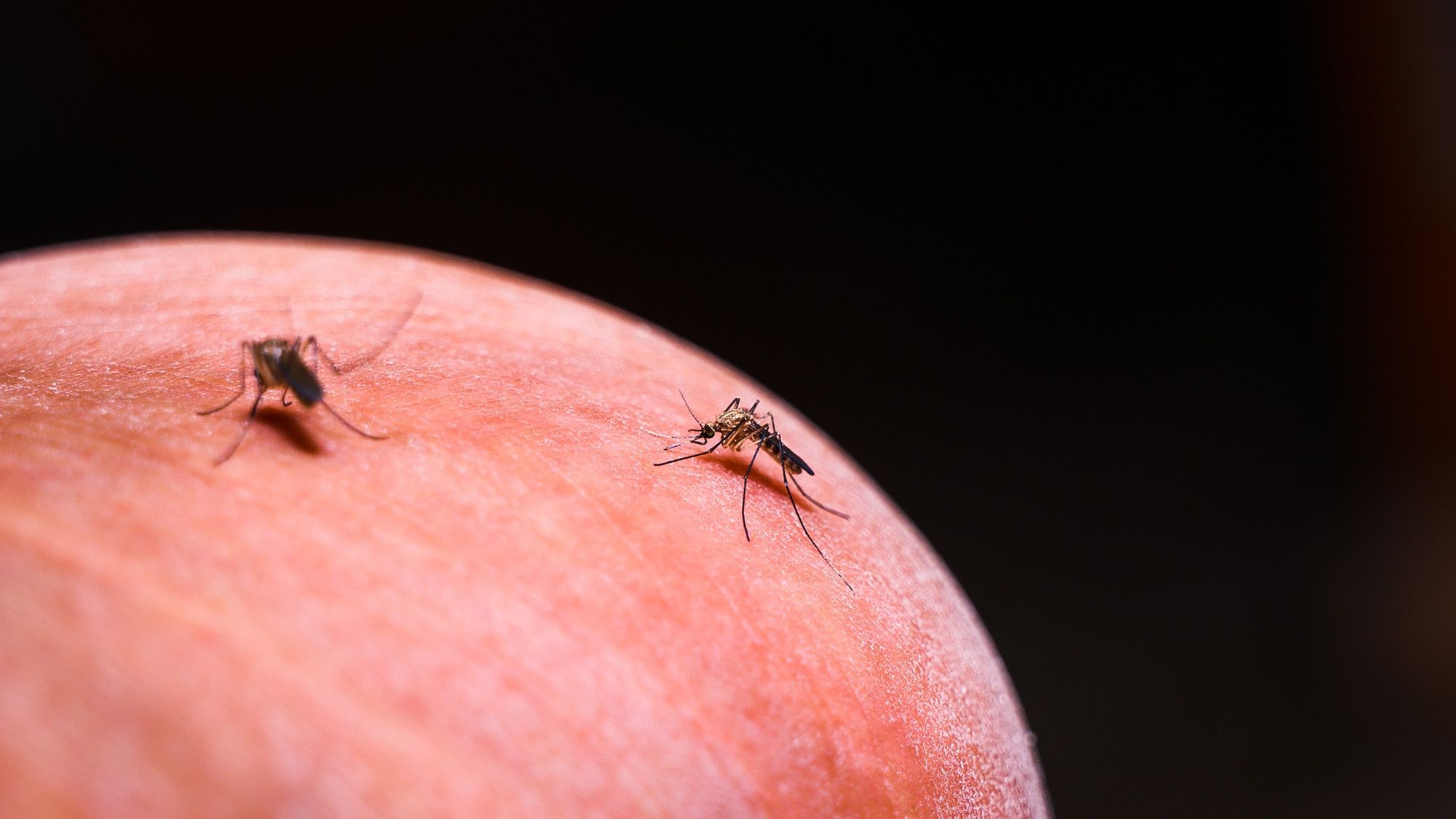
Malaria was nearly gone. For four years, it was practically extinct in this part of the Brazilian Amazon. Then the money ran out. The disease didn’t just creep back; it came roaring in.
It happened in Altamira. Right next to the Xingu River. Right where they were building the Belo Monte Dam, one of those massive hydroelectric projects that change the world forever. Between 2013 and 2017, local health workers waged war on the bugs. Annual cases dropped from over 1,200 to fewer than 60. It looked like victory.
Then the campaign ended.
Within a few short years, infection rates shot back up to 700+ cases annually. But something was different about where they hit. The infections weren’t spread randomly. They were clustered tightly around the rural communities pressing against the forest edges near the river.
Why did this happen? A new study, published Thursday in GeoHealth, offers the answer. Scientists looked at 15 years of data. They combined malaria surveillance records with satellite imagery of the trees around Altamira. The old theory blamed deforestation. Clearing land for cows or logs creates breeding spots. That makes sense. In this region, roads opened up decades ago. Loggers and ranchers carved out patches of land. A mosaic of clearings pressed right up against the remaining rainforest.
But the data told a different story. The malaria rebound wasn’t about how much tree was lost.
It was about the line.
Specifically, the forest edge. The place where intact trees meet open land. Mosquitoes love this boundary. Shade from the canopy? Yes. Sunlit pools of standing water in the clearings? Check. People working or living nearby to provide a blood meal? Definitely. This specific ecological trap gave mosquitoes everything they needed to thrive.
“What made Altamira compelling was that it gave us something rare. Close to a natural experiment,” Eloise Skinner said. She’s an epidemiologist at the University of Australia.
Skinner noted this experiment might save Brazil’s elimination efforts. The country has a target: zero local malaria by 2030.
The initial drop in cases wasn’t magic. It was logistics. When thousands of construction workers arrived for the Belo Monte project, developers and health officials realized they had a problem. They launched an intensive campaign. Indoor spraying with insecticides. Distribution of nets. Rapid testing for anyone feeling feverish. This stopped the primary local mosquito, Nyssorhinchus darlingi.
Breaking the cycle of transmission worked. Even with the workforce influx, cases plummeted.
Then the workers left. The funding dried up. The program stalled. Malaria returned.
To track why, the research team merged three datasets.
1. Case records from 150 health centers.
2. Satellite data on temperature, rainfall, and forest cover.
3. Travel times between clusters of sickness and the nearest towns.
The forest edge was the strongest predictor. For every 1% increase along the perimeter of that forest-clearing boundary, malaria cases jumped roughly 0.7%. Add the human factor? If the population at the edge grew by 1%, cases rose 1.4%.
The distribution shifted entirely. Before the dam, city clusters in Altamira held most of the cases. Now? Almost all 700 annual cases are in remote rural pockets. The urban center stays protected. Why? Diagnosis is easier there. Treatment is faster.
“When the funded program wound down,” Skinner explained, “malaria came back to the communities hardest for the health system to touch.”
That is the brutal irony. These places suffer from ecological risk and medical neglect simultaneously. They are the last mile for medicine. Yet, the pattern offers hope. The return wasn’t random. It hit the same type of terrain. Rural. Near trees. Hard to reach.
Predictability matters. If you know where it returns, you can be waiting.
Brazil wants elimination by 2030 (wait, earlier they said 2035, the timeline shifts as targets tighten). Regardless of the date, the message from Altamira is stark. Stopping treatment while environmental drivers remain active is a guarantee of rebound. You cannot quit halfway.
Skinner puts it simply.
“Because the resurgence wasn’t diffuse, we can predict where malaria will likely return first. Planning for it from the start lets the money go where it really counts.”
Or it doesn’t. If we assume success means the battle is over, the edge remains dangerous.