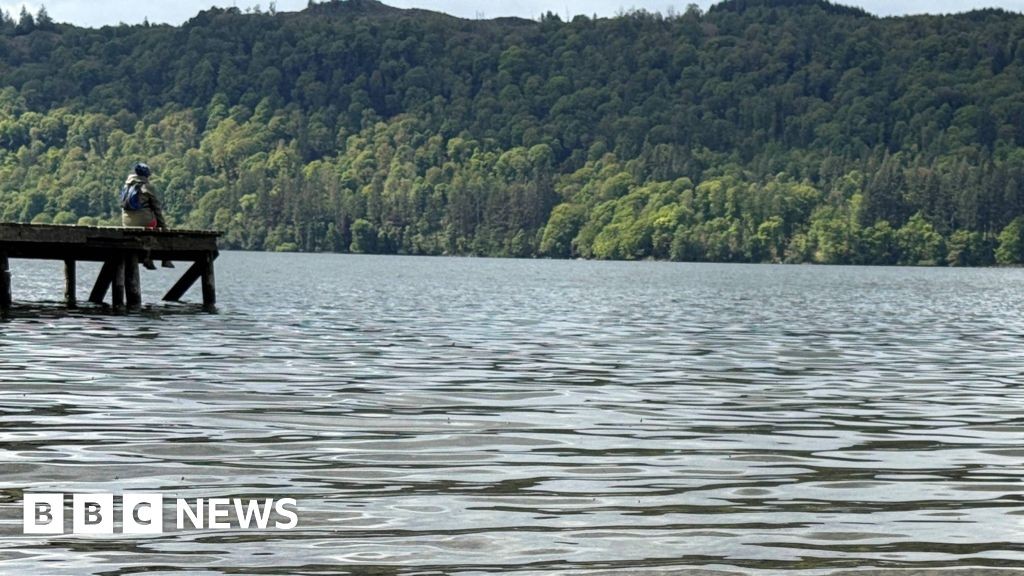
A new study drops a surprisingly simple answer for England’s biggest lake. Just cut the pollution. Specifically. The kind that comes from our toilets. And fields.
Windermere is struggling. We’ve all seen it. Green, soupy water. Summer swimming ruined. It looks less like a holiday spot and more like a science experiment gone wrong.
The Environment Agency (EA), working with the UK Centre for Ecology & Hydrology, ran some serious numbers. They wanted to know if we could stop climate change from wrecking the place. The answer? Yes. Completely.
This was enough to fully cancel out projected climate change effects on the lake for the next 50 years.
Here is the bad news. It’s getting hotter. Models predict Windermere’s average temperature will rise by 2.4 to 2.5C by the 2070s. That isn’t trivial. Warm water loves nutrients. Nitrogen. Phosphorus. It’s a recipe for disaster. These ingredients feed blue-green algae. That nasty stuff. It kills wildlife. Makes humans sick.
If we keep doing what we are doing? More algae. Every single summer. The WHO says it’s dangerous. It probably will be.
But.
Here is the twist. If you stop all sewage entering the lake. The models flip. Even with the water getting significantly hotter, the number of days with dangerous algae levels drops to zero. Zero. Not low. Zero.
Andy Brown from the EA’s water regulation team isn’t mincing words. He sees this as a roadmap for “future generations.” He likes that we have a solid scientific floor for deciding where money goes. It takes the guesswork out.
It wasn’t just about sewage, though. The study looked at everything.
– Land management : Farmers can stop nutrients washing off their fields.
– Wastewater treatment : Upgrading the infrastructure.
– Sewage stops : The big one.
All three approaches work. They reduce the days when algae hit toxic levels. Climate change factored in? Doesn’t matter. If you control the nutrients, you control the algae.
So why aren’t we doing this everywhere?
There is no single solution that works for everylake.
Ah. Right there.
Windermere isn’t Loch Lomond. It’s not Lake Windermere next door (wait, that is it). But still. Every lake is different. Depth. Size. History. A fix that works here might do nothing for a deeper, colder lake twenty miles north. You have to treat them like individuals. Not a batch process.
The study is clear. Stop the inflow. Fix the source. But do it for this lake. On its terms.
Which makes you wonder. If we knew the exact prescription for every waterbody in the UK… would we have the courage to take the medicine? Or would we keep pretending the green water is just “summer”