The Accidental Workforce
We needed better maps. The existing ones? Flawed. Blind spots everywhere. Especially for self-driving cars, which rely on digital representations of the real world to navigate without human help. But who fixes the errors? Who sees the world in 3D enough to correct them?
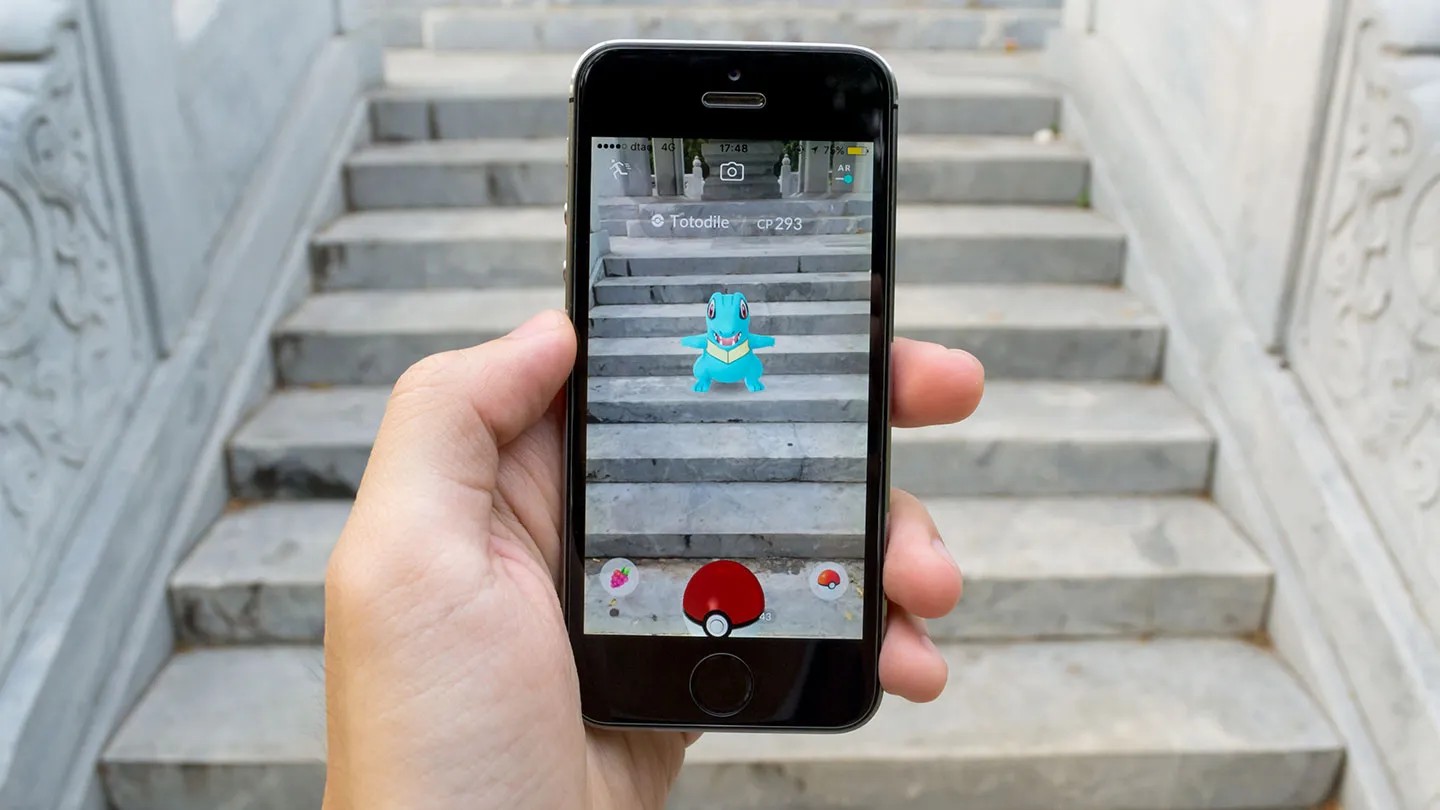
Turns out it’s you. Specifically, the person holding a phone, walking down the sidewalk, hunting for imaginary creatures.
Pokémon Go players didn’t just chase Pikachu. They became a massive, distributed workforce of surveyors.
Crowdsourced Correction
The game requires accurate location data. It relies on GPS and other sensors to tell you where a Pokémon is. But GPS isn’t perfect. It can drift. It can be wrong. If a player reports that a creature spawned inside a solid wall, the game knows something is off.
“When players reported incorrect locations, it often meant the map data was bad.”
These reports created feedback. Real time feedback on the spatial layout of the city. Researchers from Microsoft Research and University College London looked at this data. They saw a goldmine.
Turning Play into Precision
The researchers developed an artificial intelligence model. Not a robot in the sci-fi sense, but software designed to spot patterns. The software analyzed the movement data of millions of players.
Why? Because if 100 players stop in one spot, it’s probably a landmark. If they all stumble near a curb, that curb matters.
The team compared the players’ location traces with high-resolution street imagery. They found mismatches. A sidewalk here might be two feet off in the digital map. A road might curve differently in reality than in the database.
This is where the technology shifts.
Spatial awareness is key for technology like autonomous driving. Cars need to know where the edge of the road is. They need to distinguish a driveway from a lane. Standard maps often miss these details.
The Pokémon data filled those gaps.
The Unexpected Edge
It sounds like magic. Using a game to improve critical technology. But it’s just artificial intelligence doing what it does best: processing vast amounts of noise to find signal.
The players weren’t trying to build a system. They were playing.
Their behavior generated real time data on how people move through environment s. Where they look. Where they pause.
Did we ask permission to be surveyed? Not really.
We just walked.
The Open Map
The results were better maps. More precise models of the street level.
For self-driving cars, this means fewer errors. For city planners, better insight.
The digital twin of the city is cleaner because we played in it.
It makes you wonder. How many other layers of reality are we mapping without thinking about it?
Every step is data. Every glance is information.
The map is never finished.
It’s always waiting for the next player. 📱