It is getting hot. Too hot. You are sweating. Your house feels like an oven. Here is how you keep it from boiling over.
Air moves, or it rots
Let the air flow. Really let it move.
Open windows on opposite sides of your house. You need a draft. One side lets cool air in. The other lets trapped warmth out. Do this only when the outside air is colder than the inside. Overnight usually. Early morning works too.
Living in a flat with one side only? Open internal doors. Use a fan. Force the air.
Heat rises. It always does. If you have loft vents, open them. The hot air wants to escape. If you block it, it settles on the second floor. Right where you try to sleep. Bad move. Insulation helps here, too. Keeps heat out in summer. Lowers bills in winter. Two birds, one stone.
Seal it tight during the day
Sun comes up. Heat rises. Keep the windows shut. Keep the curtains closed.
Especially the side facing the sun. Don’t let that warmth in.
Fans are cheap, AC is not
A fan is cheap. An air conditioner is expensive. The math is simple.
Running a fan for 24 hours costs about 15p to 31p. Air conditioning for the same time runs you between £4.84 and £6. You do the calculation.
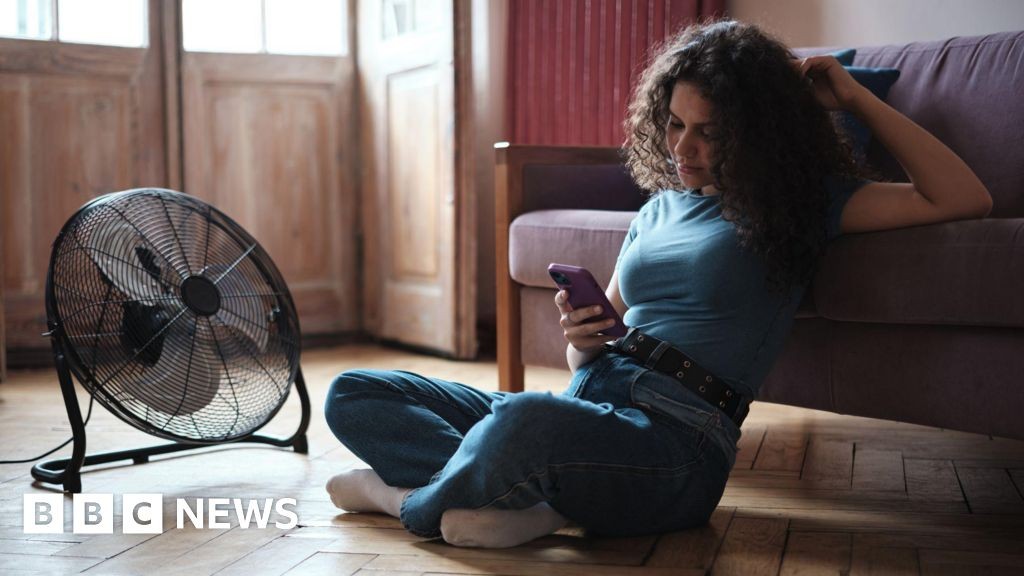
Put the fan near an open window. If it is cooler outside, good. Pull the fresh air in. Want colder air? Put ice cubes in front of the blade. It tricks the sensor in your brain. Use two fans. Create a cross-breeze.
Prof Mike Tipton from the University of Portsmouth knows bodies.
“Fanning the face improves thermal comfort most,” he says.
He has a warning, though. If the temperature is above 35C, do not use a fan. You are just blowing hot air onto your skin. You are making it worse.
Stop making it hotter
Stop using the oven. Stop using the cooker.
These appliances throw heat into the room. A lot of it. Eat salad. Cold food. Do it during the peak heat.
Washing machines and dishwashers? Same problem. They get hot. Run them when it is cooler. Not during the midday scorch.
Humidity is the silent killer of comfort. High moisture makes you feel sticky and exhausted. Fight it. Take shorter, colder showers. Wipe surfaces dry. Move the plants outside. They exhale moisture.
Heat exhaustion is nasty but manageable if you cool down. Heatstroke is different. That is an emergency.
Call 999. Do not hesitate.
Cool your skin
Water helps. But not too cold.
A tepid shower works. Prof Tipton says the goal is to keep blood flowing to the skin.
“Too cold and the body will shut Down blood to the skin and trap theheat in the body making it harder t to get out.”
See what he means? Cold water constricts vessels. The heat stays trapped. Tepid allows release.
Ice packs help instantly. Put one on your neck or wrists. Wrap it in a towel first. Direct contact stings and burns. You do not want that.
Escape if you can
The best trick is to leave.
Find a space that is not your house. A library. A cinema. A relative’s basement with an air con. If your home stays at 30 degrees and you are tired, go elsewhere.
Why suffer when you don’t have to?
Maybe tomorrow it rains. Maybe it doesn’t. For now, keep moving.