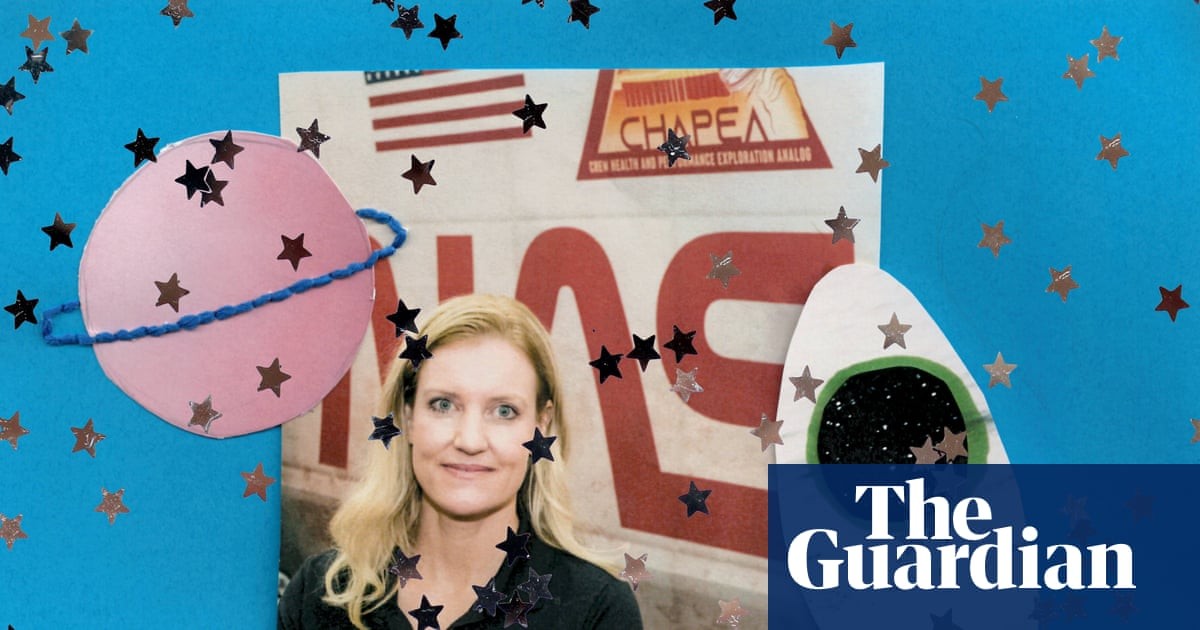
Dr. Suzanne Bell doesn’t need an alarm clock. She’s up by 5 am sharp. The space in her head? That’s where the work happens. For two hours—5 to 7:15 AM—she sits with her morning latte. No interruptions. No meetings. Just her, the silence, and a mountain of paperwork or long-form reading. It is sacred ground.
Deep Space Crew Health: The Artemis Connection
Her official title? Principal investigator for Artemis research at the Johnson Space Center’s Behavioral Health and Performance Laboratory. But really, she studies how humans cope when they are hundreds of thousands of miles from home.
Artemis isn’t just a return to the moon. It’s a leap into the unknown. For the first time in 50 years, a crew is flying beyond low-Earth orbit. They’re riding in Orion, not a shuttle. And Bell’s job is to ensure they stay sane, healthy, and ready to function when the comms delay stretches to minutes, not seconds.
Data collection for the Artemis II crew wrapped up a month ago. It was frantic. The Human Research Program needed a briefing on a hair-trigger deadline. Bell’s team had to distill complex behavioral metrics into actionable advice for Artemis III. They aren’t just guessing anymore. They are using real data to dictate how lunar habitats should be built. Walls, lighting, privacy—it’s all being designed around human psychology now.
“It’s not rocket science,” Bell says. But building a base on the moon? That is.
Fueling for the Void
Did she eat lunch? Not really. She grabbed a salad on the run into a meeting. It’s a specific diet, the “daily dozen.” Longevity-focused. No flour. No sugar unless it’s a celebration. Bell knows that what you eat matters just as much as what you do when you’re in the vacuum of space. Stress changes your biology. Your breakfast helps mitigate it.
The challenge here is the shift in scope. We have decades of data on the International Space Station. Low-Earth orbit is a known quantity. The moon is different. Mars is darker still. The excitement comes from the fresh data. It’s messy, new, and entirely relevant to where NASA is heading. We aren’t just observing; we’re planning a sustained presence. That requires a different kind of human entirely.
Logging Off at Five
She leaves the office around 5 pm. Sharp. No late nights. She has a 15-year-old son who wants to lift weights and a 13-year-old playing sports. The evening belongs to them. Indoor climbing, gym sessions, the chaos of teenage life. She’s asleep by 9:30 pm. Restorative weekends? That’s for Saturdays or Sundays. You can’t run on empty forever.
Is the work stressful? Sure. But there’s a rhythm to it. And for Bell, that rhythm includes knowing exactly when to stop.