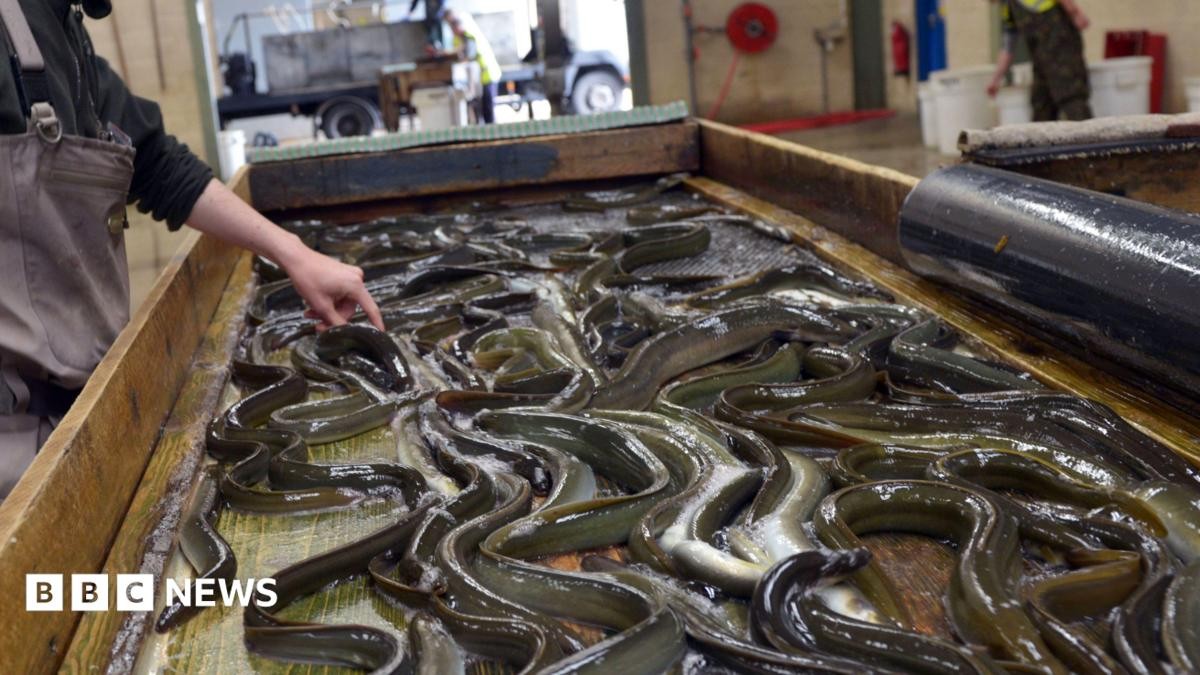
Lough Neagh is famous for one specific catch: its eels. It was the first Northern Irish product to secure Protected Geographical Indication (PGI status) from the EU. A badge of honor, really. But you won’t be catching any yellow eels here this year. Or next. Or the year after.
The fishery is closed.
Only a tiny sliver—just 25 tonnes—of silver eels (the fully mature kind) can be caught by the Lough Neagh Fishermen’s Co-operative. Meanwhile, families who rely on eel fishing as their primary income are left in limbo, waiting for Stormont to step in. They aren’t happy. They blame environmental pressures in the lake. Scientists say the end has been coming for decades.
How Long-Tail Impact Is Reshaping the Lough Neagh Eel Population
Let’s look at the creature itself. The European eel is basically a time traveler. It has survived ice ages. It watched dinosaurs get wiped out by an asteroid. It saw continents drift apart. It is prehistoric, resilient, and now, critically endangered.
Scientists know the life story starts in the Sargasso Sea, near the US east coast. Nobody has ever seen them breed there. No one. They cross the Atlantic as one-year-olds, drifting for three years. They arrive in European freshwater lakes like Lough Neagh or Lough Erne as transparent “glass eels.” Then they become elvers, disappearing into the depths.
For up to 20 years they live there. Eating invertebrates like the Lough Neagy fly. Turning into yellow eels (or brown eels, if you’re particular). Then, things get weird.
When they hit maturity—with body fat around 16-18%—they undergo a metamorphosis that sounds like sci-fi. Their backs turn black, their bellies white. Their eyes grow massive. Their fins round out. Even their backsides vanish. They become sealed, almost like a biological submarine. Professor Derek Evans from the Agri-Food Biosciences Institute describes this stage with awe.
This transformation prepares them for the trip back. They won’t eat during the crossing. They swim on reserves while developing reproductive cells. Sperm. Eggs. They rely on something called magnetophores in their retinas to detect the Earth’s magnetic field. It’s a magnetic superpower that guides them home.
It is a one-way trip. They spawn. They die. We only see the tiny glass eels returning the next year. Never the adults.
The Critical Collapse Since 1983: Why Recruitment Failed
In the 1980s, the system broke. The number of juvenile eels arriving in European waters—what scientists call “recruitment”—plummeted. We’re talking from 14 to 16 million juveniles per year. Down to a little over 200,00.
1983 was the moment everyone noticed. It wasn’t a blip. It was a cliff edge. And that drop has persisted straight up to now.
Human influence is the primary suspect. Marine biologists point to climate impact. Hydropower systems that block migration paths. Pollution and contamination. Exotic parasites. Overfishing. Add in illegal smuggling outside of Europe, and the picture gets grim.
Europe tried to fix it. Eel management plans rolled out across fisheries starting in 2009. An export ban followed. Recreational and commercial fishing has stopped entirely in some countries.
But Lough Neagh still holds the line. Licensed fishermen like Gary Erlain used to earn up to 80% of his income from these fish. Fishing stopped last year when quality dipped below market standards. Last month, Agriculture Minister Andrew Muir announced new measures. The goal? Long-term stock recovery.
Which Factors Are Causing the Lough Neagh Eel Decline?
Daera says these external measures are based on science and fulfill the legal duty to protect a critically endangered species. Muir is working on a priority basis to develop a temporary cessation scheme for permit holders.
But on the water, the frustration is palpable. Gary McErlain, a seventh-generation eel fisherman, sees the damage clearly. He doesn’t just point to broad climate change. He sees local killers.
Zebra mussels. Climate shifts. Specifically, he points to the Lough Neagy fly population. It’s down. Pollution is up. He cites the algae blooms in 2023, 2024, and 2025. He says last year was the worst yet. Two heatwave periods in Northern Ireland? He suspects it’ll happen again.
“I’m blessed that I’ve come from a long line… To ask me how I feel… that’s devastating,” McErlain says. The emotion is real. The tradition is dying.
Management plans suggest that increasing the chances of adults reaching the sea—via protected routes and bans—is key to restoring the stock. Prof Evans remains cautiously optimistic.
“The eel is a very resilient species. It’s been here millions of years,” Evans says. “Given the right chances, it will continue survive.”
Right now, the “right chances” are complicated. Daera confirms a financial assistance scheme exists. The “necessary approvals” are being pursued. The process spans multiple departments. It takes time. There is no timeline. When approved, the Minister will announce details.
Until then, the fish stay in the water. The nets stay on the boats. And the fishermen wait.