Crispr-Cas9 showed up in the early 201Os. Ethical panic followed. Everyone started talking about “designer babies” as if they were just around the corner.
Legally? We’ve drawn a line. A sharp one. Seventy countries, including the UK, have outlawed human germline editing. That means no changing embryos in a way that gets passed down to kids. It’s prohibited.
But a new poll says we don’t care as much as the law does.
Scientists and the public both see a future where edited humans aren’t just likely—they’re desirable.
The science is getting precise
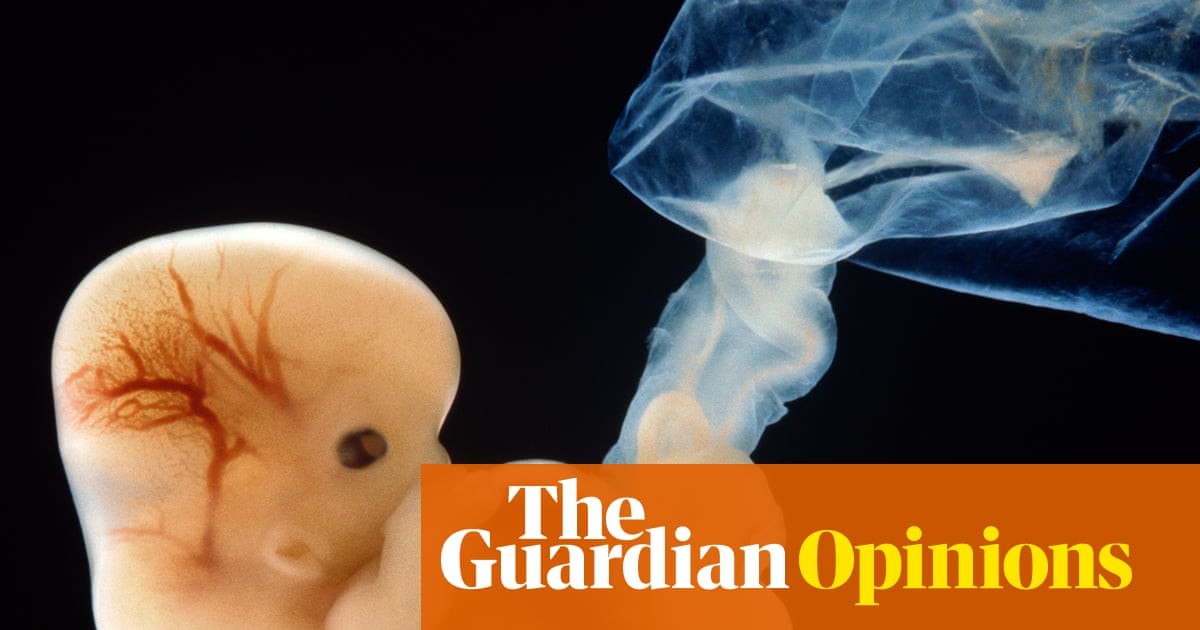
Two recent studies used base editing on human embryos. It’s a sharper tool than older Crispr versions. The goal wasn’t to create babies but to study early development and disease. Legal in the US and UK, provided the embryos are destroyed after fourteen days.
Dieter Egli led one of those studies. He said we aren’t ready for clinical use. Yet. The tech needs to mature.
The advances would “guide responsible research to achieving its ultimate safe and effective use”
Egli is just voicing the consensus. Most researchers think regulated germline editing is inevitable. They want it for hereditary conditions. The main worry right now? Safety.
Not ethics. Just safety.
Laws are thin ice
Most laws banning this stuff lean on safety concerns. They’re built on a shaky foundation. If you remove the safety argument the laws lose their ironclad sheen.
The Nuffield Council on Bioethicst thinks human germline editing isn’t inherently unethical. Neither does the US National Academies of Sciences Engineering and Medicine.
R. Alta Charo points this out nicely. Each tech advance chips away at the safety objection. Slowly but surely we are forced into bigger questions. Should we do this at all? Under what conditions?
Current laws don’t answer that. They just talk about safety. They need to update their definition of acceptable risk.
The public is ahead
People are running past scientists on this one.
Ipsos polling for the Progress Educational Trust showed clear trends. Majorities in the UK Spain and the Netherlands support gene editing for life-threatening stuff like cystic fibrosis. A plurality even back it for manageable conditions like asthma. Italy showed plurality support for both.
Think about IVF in the 198Os. People hated it. Now? We’re talking about rewriting life itself with relative ease. The trust in science is remarkable. Maybe too remarkable?
Not a fait accompli
Just because we can doesn’t mean we should rush in blindly.
There are conditions that existing embryo selection can’t fix. If the tech is truly safe it makes sense to start there. Rare cases first.
Designer babies aren’t just a myth. They aren’t a bogeyman used to scare us.
In the UK donor selection is illegal in IVf. Yet some couples still go abroad. They use companies that screen for desirable traits. Why not? It works for them.
The US is worse. There are already collaborations between those same IVf companies and labs doing base editing research.
The leap from medical treatment to on-demand design is short. It’s almost trivial.
Regulation can limit these darker uses. It is unlikely to eliminate them
We know that. We have to accept that.
Safety is a temporary shield
Bans should stay. For now. Safety is the reason.
But that shield is eroding. We can’t rely on the “it’s not safe yet” argument forever. The science moves forward.
We need to talk about what comes next. Before the technology arrives unannounced at our doors.